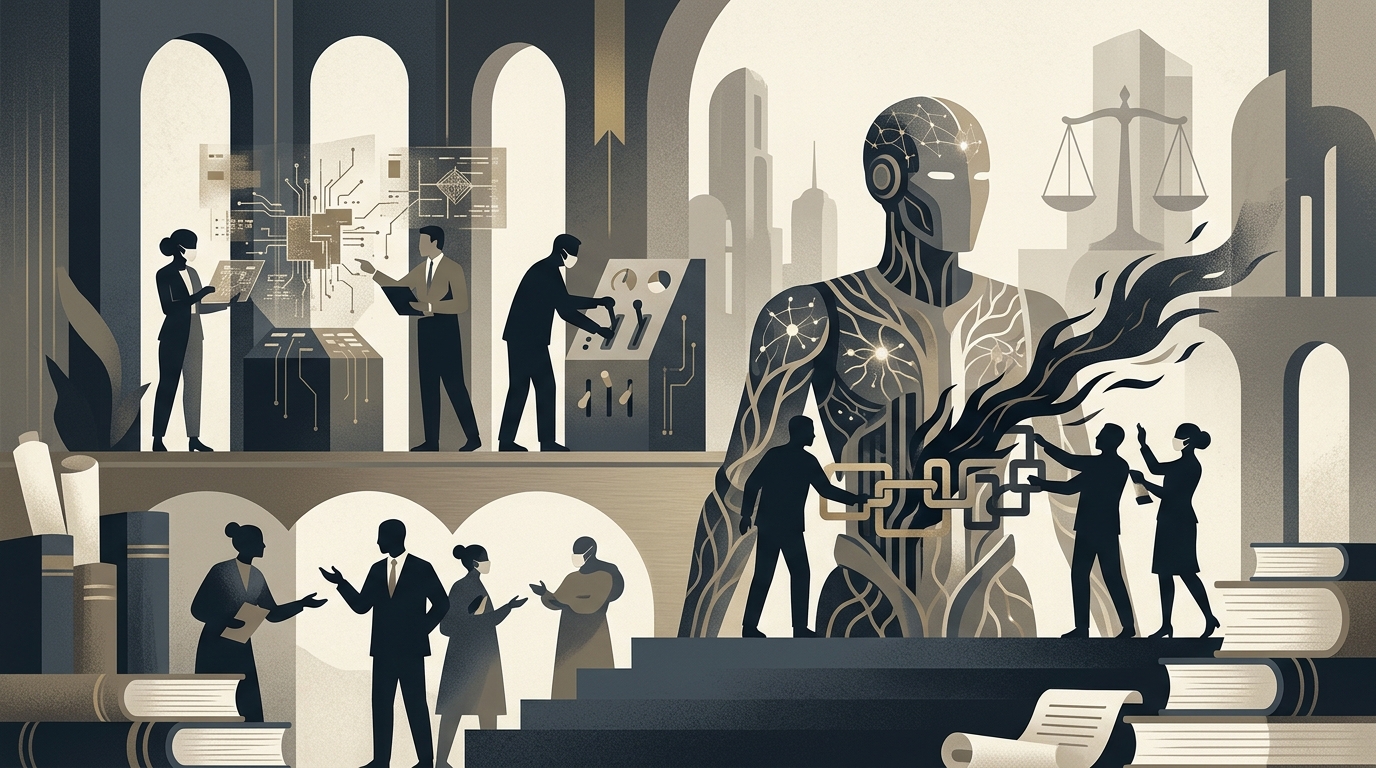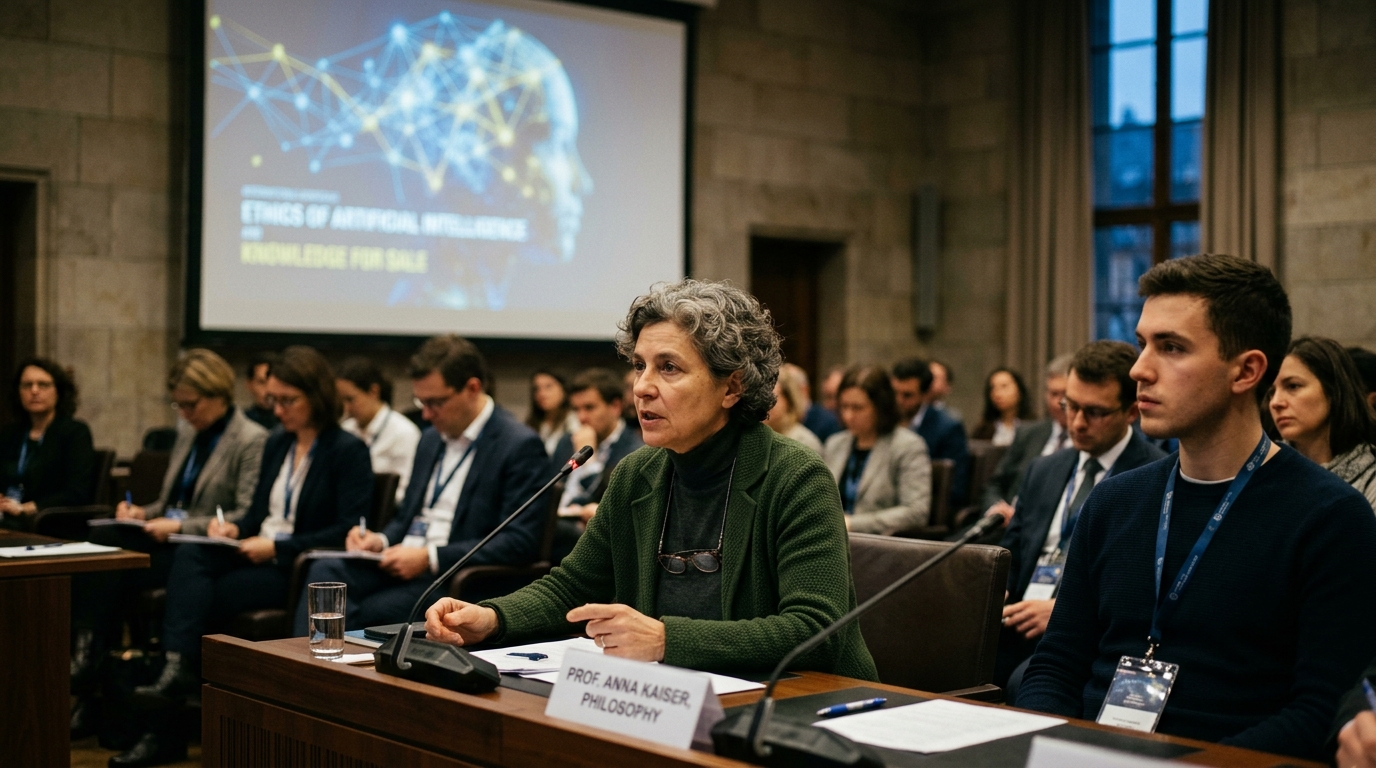
For centuries, human knowledge was regarded as a living organism, a river fed by individual observation and social experience. From the invention of the printing press to the advent of the internet, technology functioned as a conduit for the transmission of this knowledge. Today, however, we stand at a radical turning point. Artificial Intelligence (AI) is no longer limited to the circulation of information; it is moving toward the 'commodification of thought,' transforming collective human capital into a closed, profitable product sold by the token.
From Information to Synthesis: The New Economy of Cognition
The fundamental difference between traditional search engines and Large Language Models (LLMs) lies in the process of synthesis. While Google led us to the source of knowledge (an article, a book, a study), AI 'swallows' the source and offers the result as its own product. This transition from 'where can I find knowledge' to 'buy the solution' forms the basis of a new economic reality. Knowledge ceases to be a process of discovery and becomes a service (Intelligence as a Service).
The problem that arises is deeply ethical and economic. These models are trained on billions of pages of text produced by humans—journalists, scientists, artists, and ordinary internet users. This 'raw material' is mined without compensation, processed by algorithms, and then sold back to the creators themselves via subscriptions. It is a form of digital enclosure, similar to the enclosure of the commons in pre-industrial England.
De-skilling and the Devaluation of Expertise
As thought is transformed into a commodity, the value of the human 'expert' faces intense pressure. In fields such as law, medical diagnosis, software engineering, and business strategy, AI offers answers that often approach the accuracy of a professional at a fraction of the cost. This leads to a paradoxical situation: knowledge is universally available, but the ability to produce new, original knowledge is at risk of atrophy.
- Dependence on algorithmic answers reduces critical thinking.
- Professionals are being transformed from creators into 'curators' of machine-generated content.
- The economic reward for deep expertise is shrinking, as the market prefers the 'average solution' provided by AI.
"Knowledge is no longer the result of learning, but the result of a transaction," note technology market analysts, highlighting the risk of human intellect becoming a mere cog in a global computational machine.
The Politics of Cognitive Ownership
Who ultimately owns the knowledge produced by an AI? If the answer is based on data belonging to humanity, then the appropriation of this value by a handful of tech giants represents one of the largest transfers of wealth in history. In 2026, legal battles over intellectual property have reached a breaking point. Publishers demand a share of AI company revenues, while corporations argue that model training constitutes 'fair use.'
However, the debate must extend beyond profit. There is a risk of a 'cognitive monoculture,' where AI-generated answers become standardized, smoothing out cultural and ideological differences. When knowledge is sold as a standardized product, challenge, doubt, and dissent—the foundations of progress—tend to disappear for the sake of efficiency.
Conclusion: The Need for a New Social Contract
The transformation of thought into a commodity is inevitable within the framework of late capitalism, but how we manage it will determine the future of our civilization. A new framework is required to ensure that knowledge remains, to some extent, a public good. This could include 'data taxes' on AI companies, the creation of open-source models owned by the community, and, above all, an educational shift toward cultivating skills that machines cannot (yet) commodify: empathy, ethical judgment, and true creativity.