The meteoric rise of Artificial Intelligence (AI) is no longer merely a matter of code and algorithms; it is a matter of concrete, steel, and labor. As tech giants race to construct massive data centers to support the exploding demand for computational power, new research from the University of Cincinnati highlights growing tensions within organized labor. This conflict isn't just about jobs; it's about the very nature of work in an era of unprecedented automation.
The Paradox of the Construction Boom
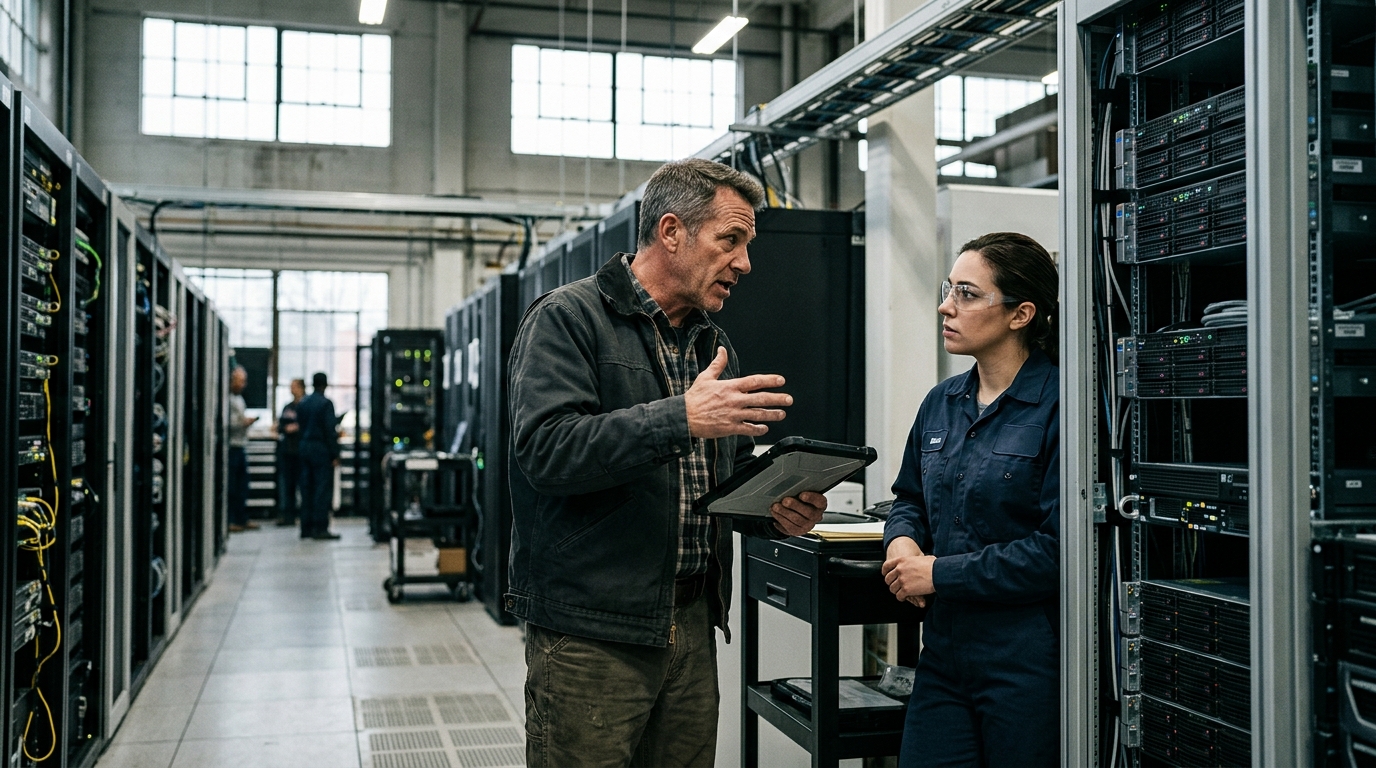
Data centers have become the cathedrals of the digital economy. Their construction requires thousands of skilled workers: electricians, pipefitters, and laborers belonging to powerful unions. For organized labor, these projects represent a 'golden ticket' of high wages and steady employment during the building phase. However, the friction begins the moment the facility goes online. While building a data center might employ 2,000 people, its daily operation often requires fewer than 50—most of whom are non-unionized IT specialists.
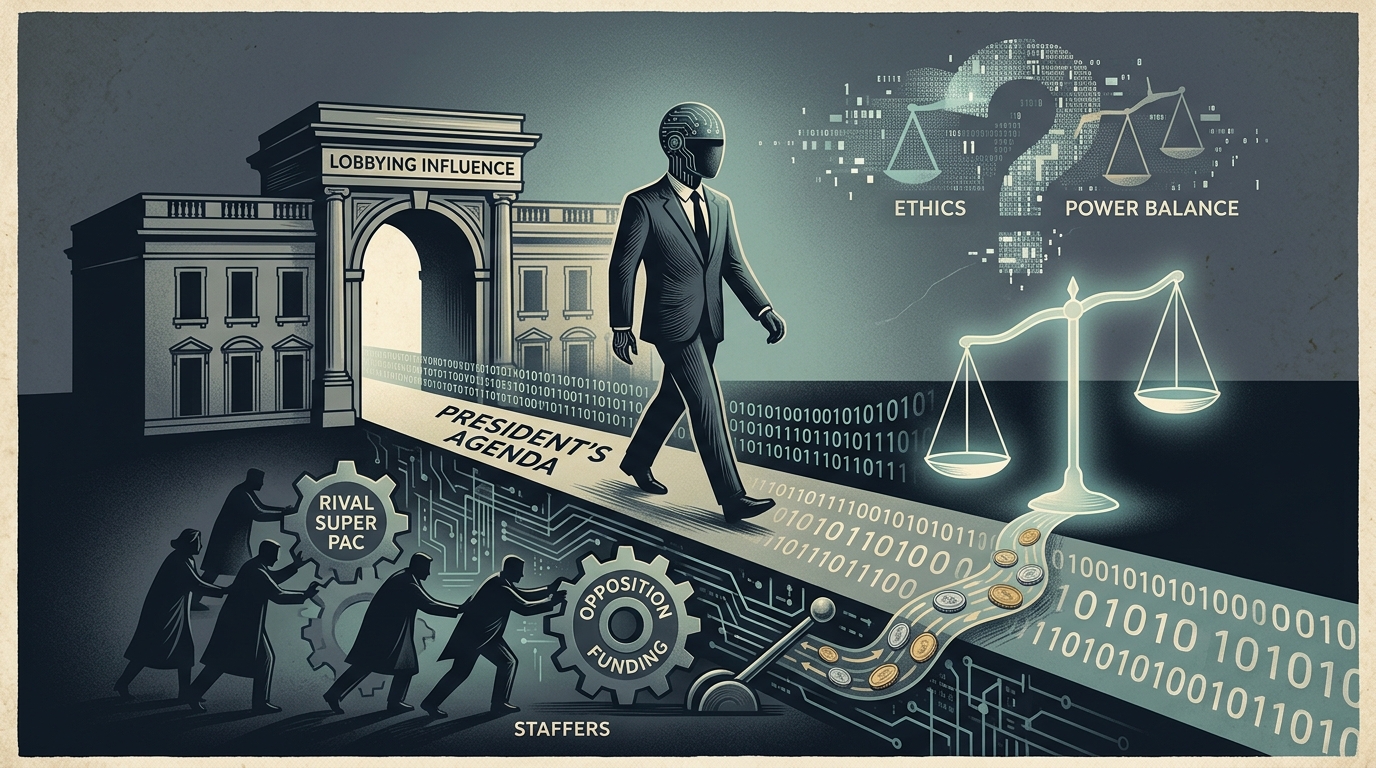
This creates a structural imbalance. Construction unions often find themselves in an uneasy alliance with Big Tech, lobbying for tax breaks and zoning approvals to get projects greenlit. Conversely, local communities and service-sector workers see few long-term economic benefits. The Cincinnati research underscores that this 'short-termism' by unions may be eroding their future bargaining power, especially as AI begins to automate the maintenance and management of these very facilities.
AI as a Tool for Surveillance and Control
Beyond the physical footprint, AI technology itself is entering the workplace as a means of surveillance. Unions are expressing profound concerns over the use of algorithms that track worker productivity with second-by-second precision. On construction sites, AI is now used for safety monitoring, but workers fear the same data will be repurposed for speed-ups or disciplinary actions. This tension is particularly acute in the United States, where workplace privacy protections are often lagging behind technological capabilities.
"We aren't just building buildings; we are building the infrastructure that might eventually replace us," a union representative noted in the report.
The University of Cincinnati study points out that the lack of transparency in how tech companies utilize worker data creates a climate of distrust. Organized labor is now forced to negotiate not just for wages and benefits, but for 'algorithmic governance.' This represents a new frontier for union leadership, requiring technical literacy to protect members from automated bias and invasive monitoring.
Environmental Impact and Social Justice
Another layer of tension involves resource consumption. Data centers are energy-hungry and require vast amounts of water for cooling. In many regions, local communities are pushing back against their installation, fearing water scarcity and spikes in electricity costs. Here, unions often find themselves at odds with environmental advocates. While workers want the jobs provided by construction, residents worry about the long-term sustainability of their environment.
AI promises solutions for energy optimization, but these solutions often lead to further headcount reductions. The concept of a 'just transition,' typically discussed in the context of climate change, must now be applied to the digital transition. The research concludes that without a new social contract that includes worker participation in the design and management of technology, these tensions will likely boil over into strikes and social instability.
Looking Ahead: A New Labor Strategy
The case of data centers is only the tip of the iceberg. As AI integrates into every sector—from logistics to healthcare—organized labor must redefine its role. The strategy of blindly supporting large infrastructure projects solely for temporary construction jobs is no longer sustainable. A more holistic approach is required, ensuring that the productivity gains from AI are shared fairly with those who build and maintain our digital world. The future of labor depends on its ability to confront the silicon giants not just on the picket line, but at the drafting table of technological policy.