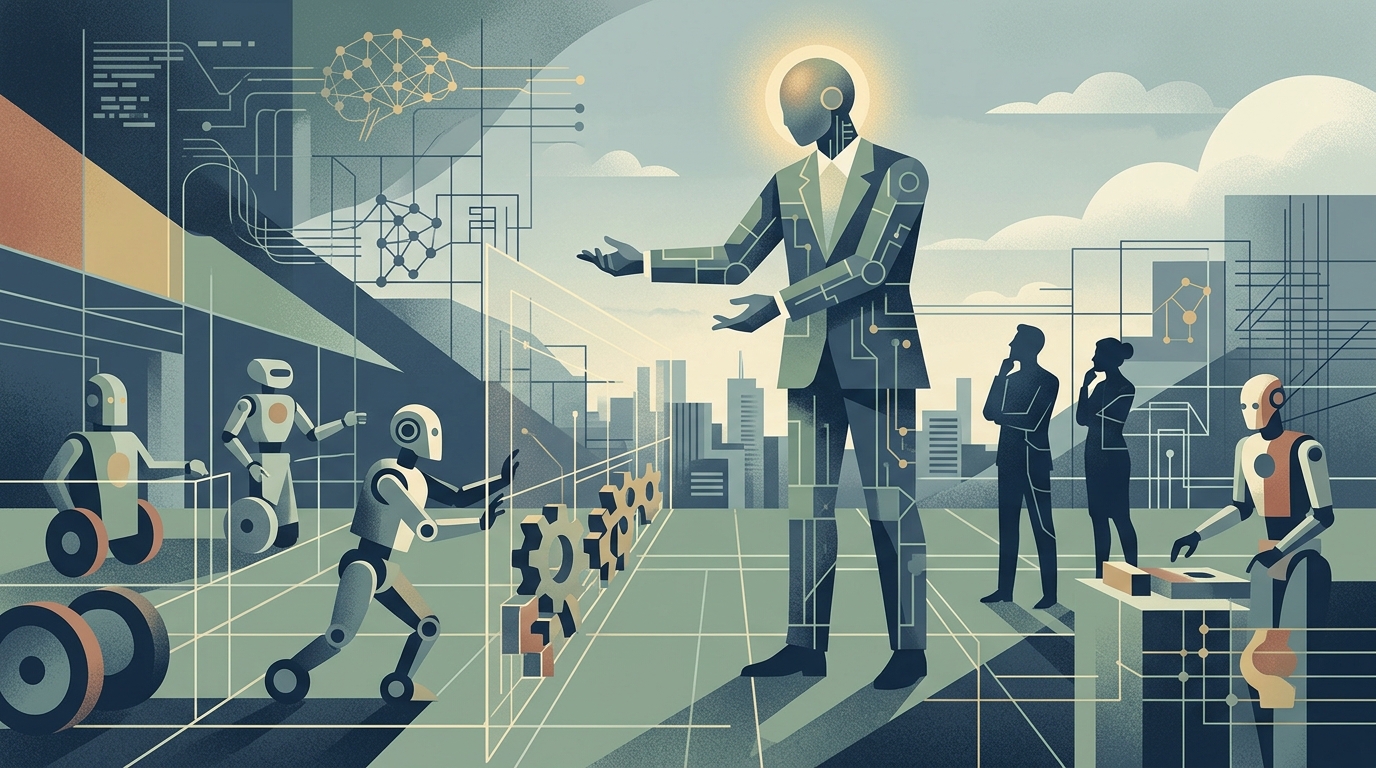
The image of Elon Musk unveiling the Optimus humanoid robot is no longer a scene from a sci-fi blockbuster, but a stark declaration of intent for the future of the global economy. However, beneath the technological euphoria emanating from Silicon Valley lies a gritty reality concerning labor rights, mental health, and the very essence of human contribution. A recent analysis by The Guardian highlights a critical juncture: the "march of the robots" cannot be left to chance or the whims of tech billionaires.
The Illusion of Liberation from Toil
Musk frequently describes a future where work becomes "optional" and robots handle all dangerous or repetitive tasks. This utopian narrative conveniently ignores the transition period, which is expected to be disruptive for millions of workers. The introduction of Artificial Intelligence (AI) and robotics into the workplace isn't just about replacing hands; it's about controlling minds. "Algorithmic management"—where software dictates shifts, productivity metrics, and termination—has already fostered an environment of digital panopticism.
In the current global landscape, the debate over AI boundaries in the workplace is paramount. It is not merely about job preservation but about preventing a new form of "techno-feudalism," where workers are reduced to mere cogs in a vast mechanical system, stripped of autonomy and privacy.
The Specter of Surveillance and Data Extraction
One of the most alarming trends is the use of AI to monitor worker sentiment and fatigue. Tech firms are developing tools that analyze vocal tones or eye movements to gauge efficiency. This intrusion into an individual's internal state violates fundamental human rights. The need for "red lines" is urgent: AI must not be weaponized for psychological manipulation or punitive surveillance.
- Prohibition of biometric tracking for disciplinary purposes.
- Ensuring transparency in algorithms that influence hiring and promotion decisions.
- Guaranteeing the right to "human intervention" in every automated decision-making process.
The Legislative Challenge and the Global Response
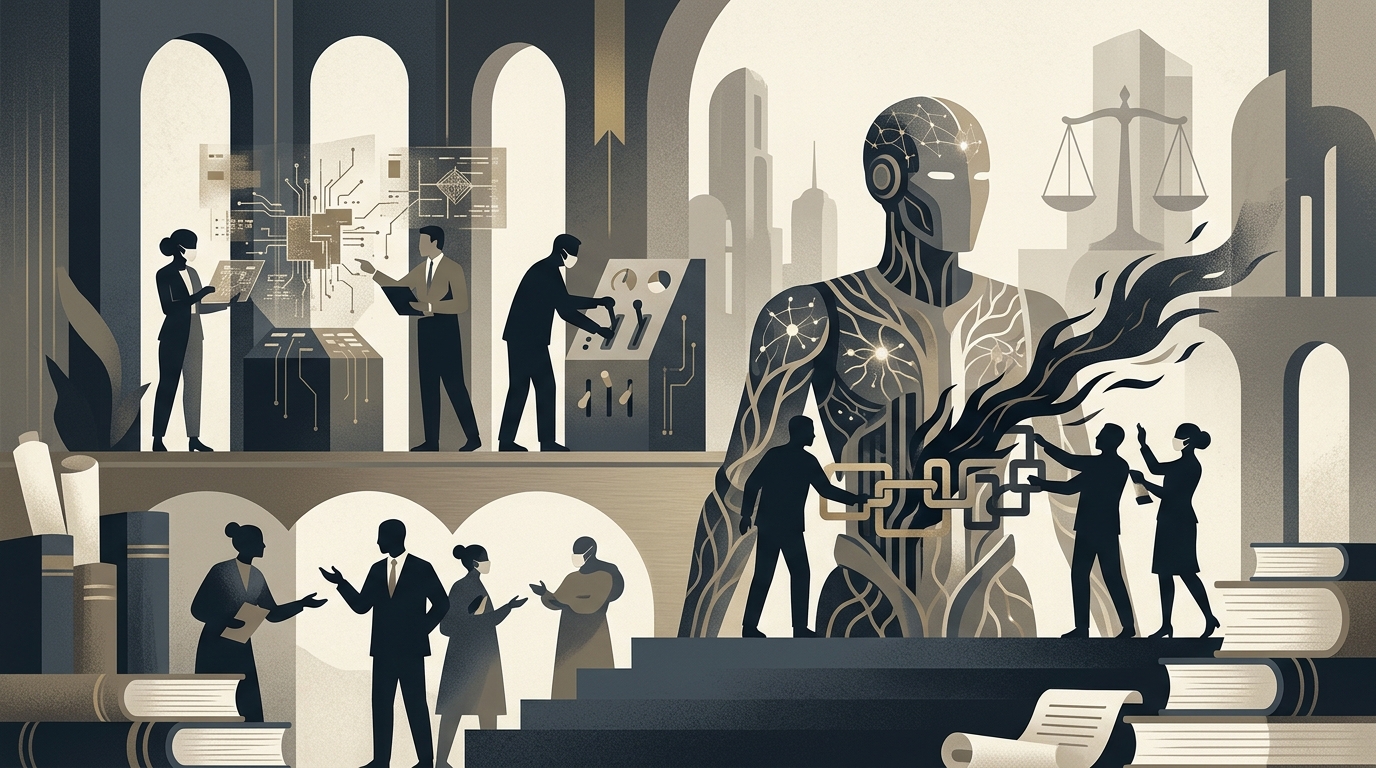
While the United States often leans toward a laissez-faire approach, the European Union, through the AI Act, is attempting to set the first global standards. Yet, critics argue that legislation is perpetually playing catch-up with innovation. Trade unions are now tasked with reinventing their roles, advocating for collective bargaining agreements that specifically include clauses on technological deployment.
"Technology must serve humanity, not enslave it to an algorithm that knows neither exhaustion nor empathy."
The danger is not just unemployment, but the devaluation of human labor. If a worker's worth is measured solely by the data they feed into an AI, we lose the core of creativity and social cohesion. Elon Musk may view Optimus as the next flagship product, but society must view it as a catalyst for renegotiating the social contract.
Conclusion: Toward Human-Centric Automation
Progress is inevitable, but its trajectory is a matter of political will. Workplace boundaries are not obstacles to innovation; they are the necessary conditions for a sustainable economy. We must demand technologies that augment human capabilities rather than replace them, and a legal framework that safeguards dignity in the workplace, no matter how sophisticated the robots around us become.