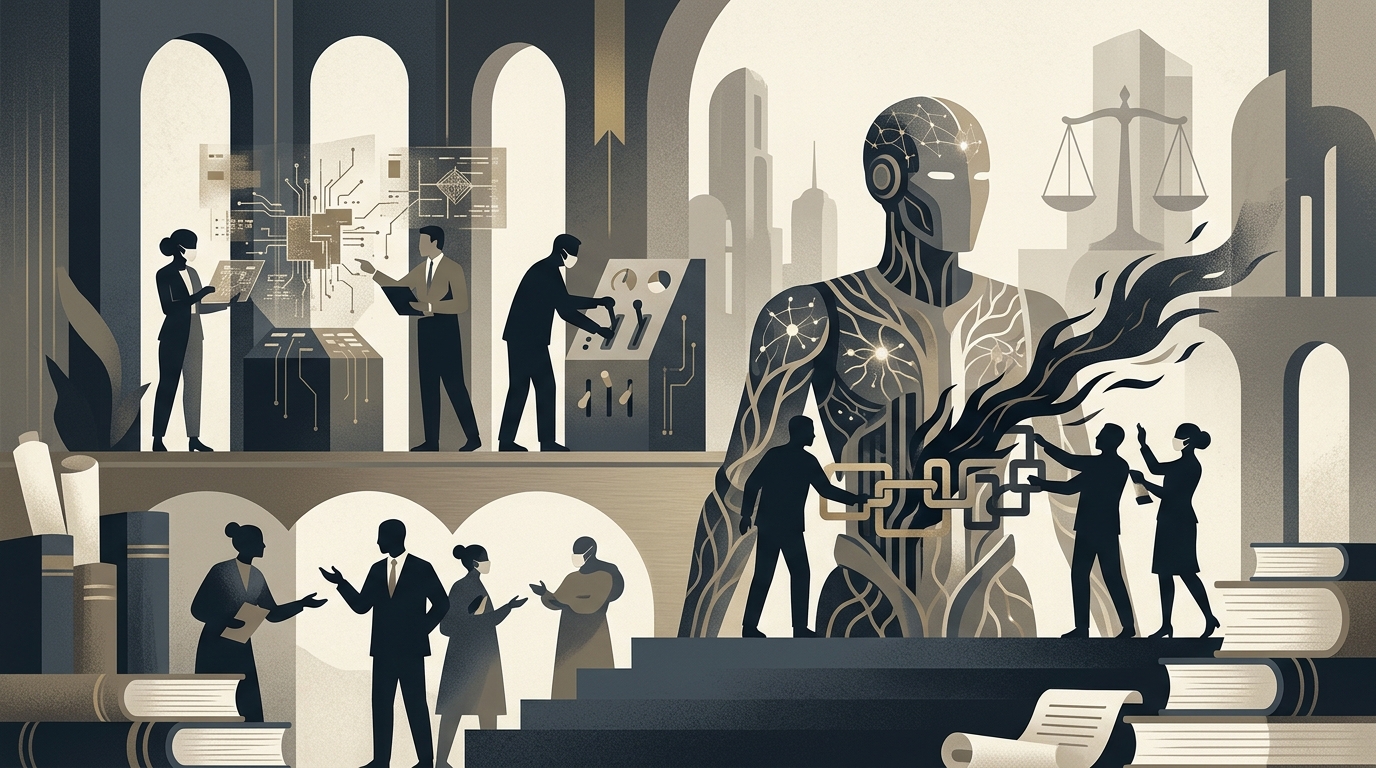
In a move that is sending shockwaves through the global artificial intelligence industry, Chinese authorities have imposed a de facto ban on 'AI lover' services and digital companions. ByteDance (the parent company of TikTok) and Alibaba, two of the largest players in the tech ecosystem, have announced the withdrawal of 'persona' features and interactive characters designed to provide emotional support and companionship to users. This decision is not merely a business pivot but a profound political and ethical intervention into how technology interacts with human psychology.
The Regulatory Vise and 'Socialist Values'
This crackdown follows strict guidelines from the Cyberspace Administration of China (CAC), which mandates that AI models must align with 'core socialist values.' According to sources close to Beijing, authorities are concerned that AI companions promote a form of 'spiritual pollution,' encouraging social isolation and drifting youth away from traditional social and family structures. In a country facing a severe demographic crisis and declining birth rates, the government appears to view digital companionship as a threat to social cohesion.
ByteDance, which had invested heavily in its 'Doubao' chatbot, and Alibaba, with its respective services, were forced to drastically curtail their models' capabilities. Users who had developed deep emotional connections with these programs are now facing the sudden 'lobotomy' of their digital friends. Characters that were once flirtatious, supportive, or even romantic are now returning standardized, cold responses, avoiding any kind of personal connection.
The Loneliness Economy and the End of an Illusion
China has been a pioneer in the 'loneliness economy.' With millions of young people working grueling hours and facing intense social pressure, AI companions offered an easy and accessible outlet. Apps like Glow and Talkie had gained immense popularity, allowing users to create their own ideal partners. However, this convenience was seen by the state as a disincentive for real-world socialization.
- Ethical Risks: Authorities expressed concerns over the manipulation of user emotions by profit-driven algorithms.
- Minor Protection: Exposing teenagers to unregulated content via AI characters was a key argument for the ban.
- Data and Privacy: The collection of highly personal information during 'romantic' conversations was deemed a national security risk.
The Technical Challenge of Compliance
For tech companies, compliance is not a simple process. Training models to be simultaneously intelligent yet 'emotionally sterile' requires massive resources. Alibaba and ByteDance are now using sophisticated keyword filters and real-time monitoring systems to ensure that dialogues do not cross permissible boundaries. However, this undermines the very appeal of their products. If an AI cannot show empathy, it ceases to be a companion and becomes merely a search engine.
"We are not banning technology, but the exploitation of the human soul by code," stated a senior CAC official, highlighting Beijing's intent to set boundaries before the situation becomes irreversible.
International Implications and the Future of AI
China's move sets a precedent that may influence the West. While companies like Character.ai continue to grow in the US and Europe, the debate over the ethical risks of AI companionship is intensifying. The Chinese case shows that when technology touches the core of the human experience, state intervention becomes inevitable, albeit with different motivations depending on the political system. The question remains: can love be regulated by law? Or will the ban lead to a 'black market' of unapproved, rogue AI models operating in the shadows of the internet?