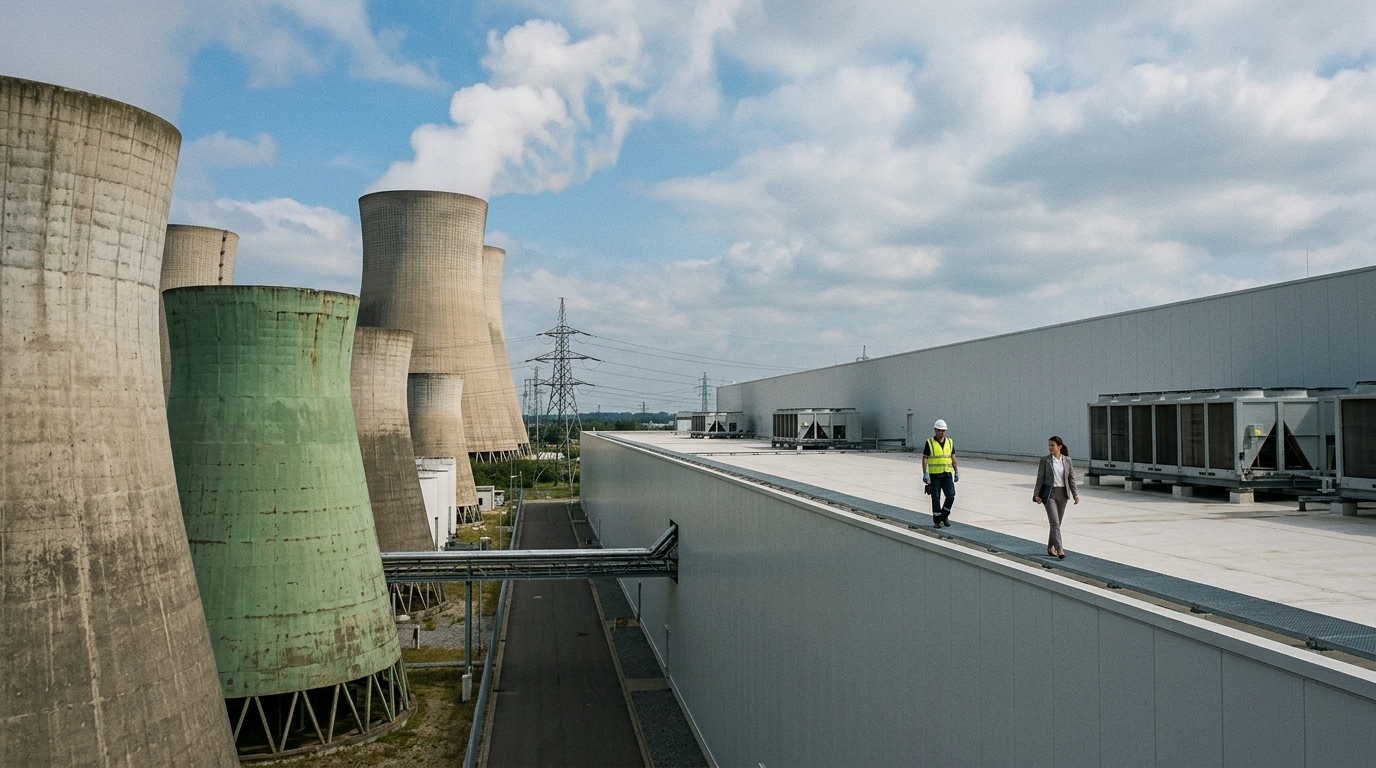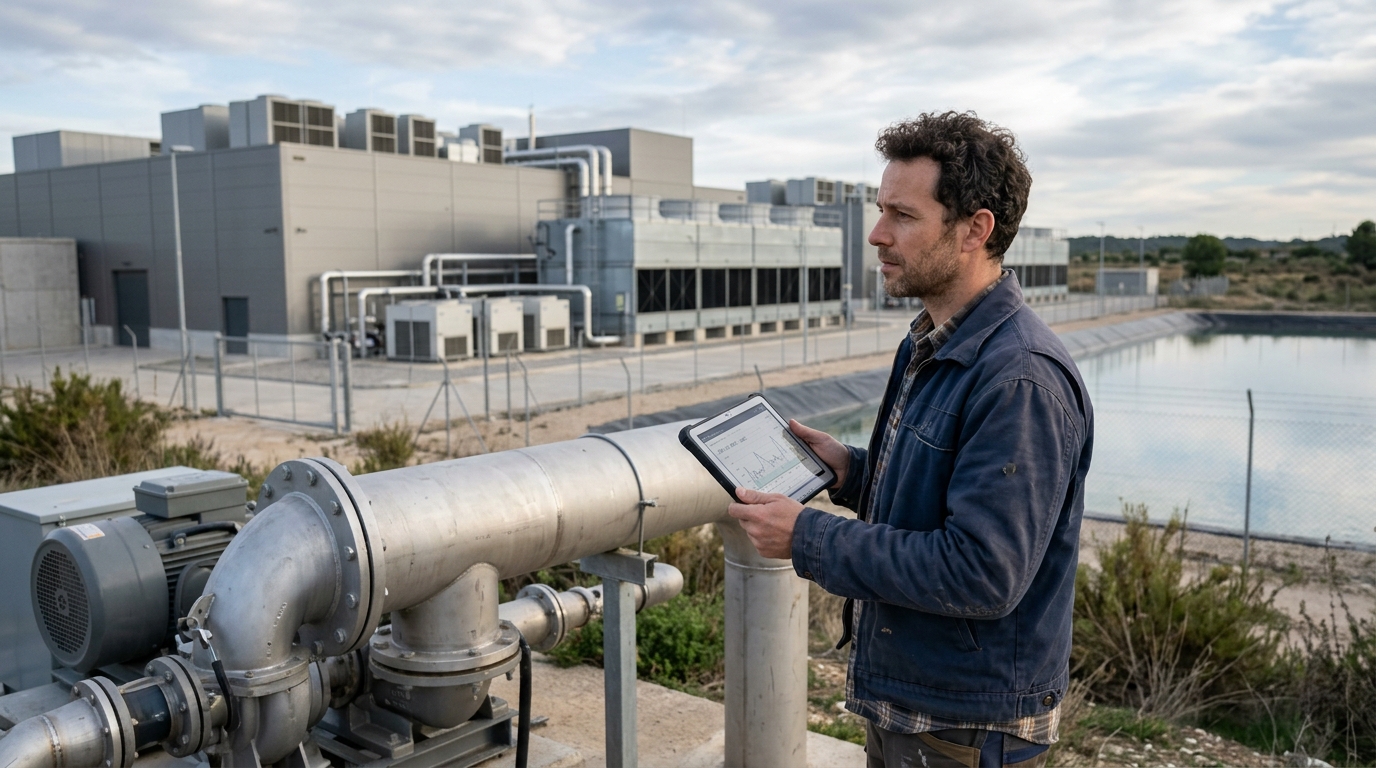
At the heart of the digital revolution, where artificial intelligence algorithms and Amazon Web Services (AWS) cloud operations power the global economy, lies a physical reality that often escapes our notice: a massive need for water. According to Amazon.com Inc.’s latest sustainability report, the tech giant’s data centers consumed a staggering 2.5 billion gallons of water worldwide last year. While this figure represents a fraction of total global consumption, it equals roughly 5% of the annual water usage of the Seattle metropolitan area, highlighting the growing environmental footprint of the internet’s "invisible" infrastructure.
The Engineering of Cooling and the Efficiency Paradox
Why does a data center need so much water? The answer is heat. The thousands of servers operating non-stop generate immense amounts of thermal energy. To prevent equipment from overheating and failing, Amazon, like its competitors Google and Microsoft, relies on evaporative cooling systems. In these systems, water is used to absorb heat from the air before it is circulated through the server racks. This method is highly efficient regarding electricity consumption but extremely taxing on water resources.
The paradox AWS engineers face is the balance between Power Usage Effectiveness (PUE) and Water Usage Effectiveness (WUE). Often, reducing power consumption—a primary goal for cutting carbon emissions—requires increased water usage for cooling. In an era where the climate crisis makes water an increasingly scarce resource, this trade-off is coming under intense social and political scrutiny.
The 'Water Positive' Promise vs. Reality
Amazon has pledged to become "Water Positive" by 2030, meaning it will return more water to communities than it consumes for its operations. Its strategy rests on four pillars: improving system efficiency, using recycled water for non-potable purposes, reusing cooling water for local agriculture, and investing in watershed restoration projects.
- Investing in air-cooling technologies in water-stressed regions.
- Partnering with local utilities to provide treated wastewater to data centers.
- Funding reforestation and wetland restoration projects.
However, critics point out that "Water Positive" metrics can sometimes be misleading. While a company might fund a restoration project in one watershed, its data center’s actual water consumption might occur in a completely different, more stressed region. The localized nature of the water crisis means that global balances do not always reflect the real pressure exerted on local communities.
The Generative AI Challenge
The rapid rise of Generative AI further complicates the situation. Training large language models requires significantly more computational power than traditional cloud services, which translates into even more heat. According to recent studies, a simple conversation with a chatbot can "cost" up to 500ml of water in infrastructure cooling. As Amazon integrates AI into every aspect of its services, the pressure on water resources is expected to grow exponentially, making the 2030 commitments even harder to fulfill.
"Water is the new oil of the digital economy. Without it, the cloud would simply evaporate," says an environmental risk analyst.
In regions like Northern Virginia, Oregon, and Arizona, where the concentration of data centers is the highest in the world, residents and farmers are expressing deep concerns. The dispute over water rights is becoming a political issue, with lawmakers calling for greater transparency and stricter regulations. Amazon, in its quest to maintain dominance, is now called upon to prove that digital progress will not come at the expense of life's most basic necessity: clean water.