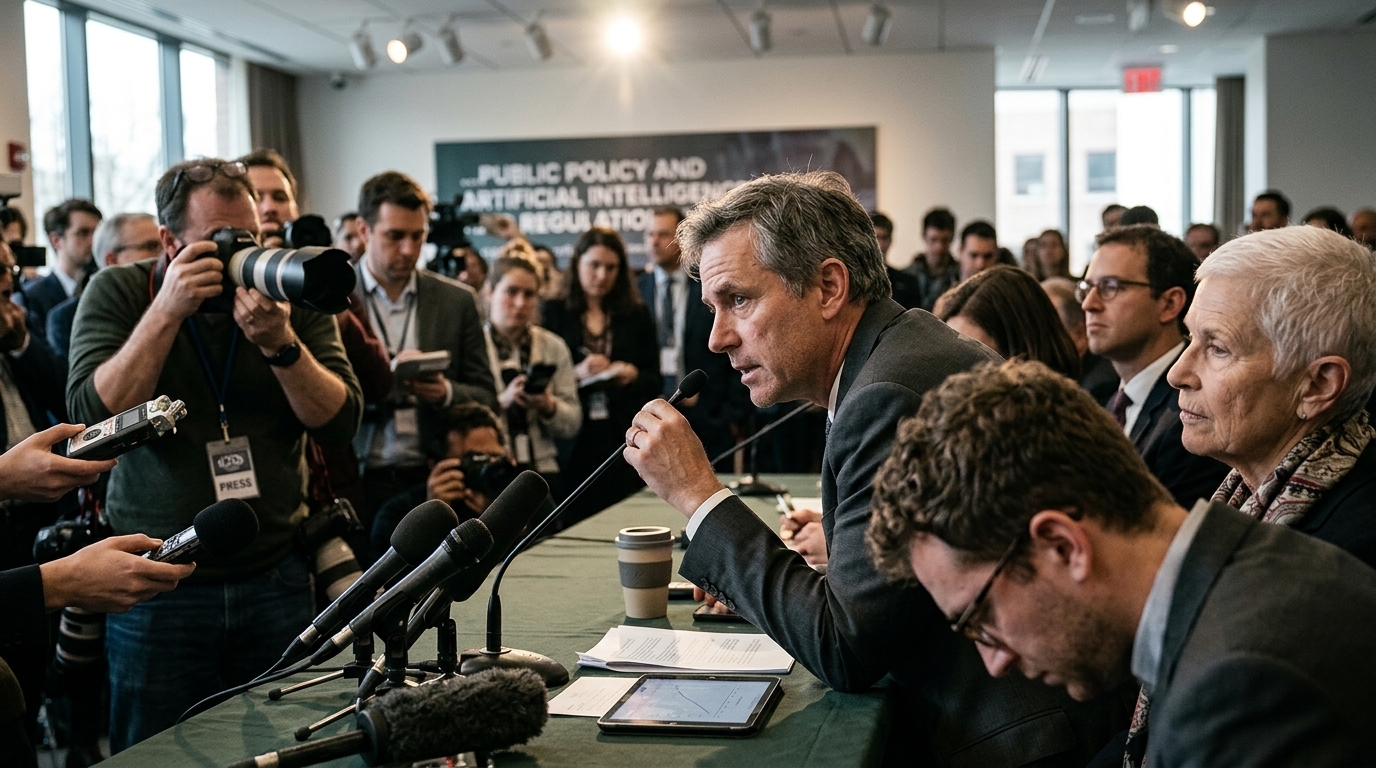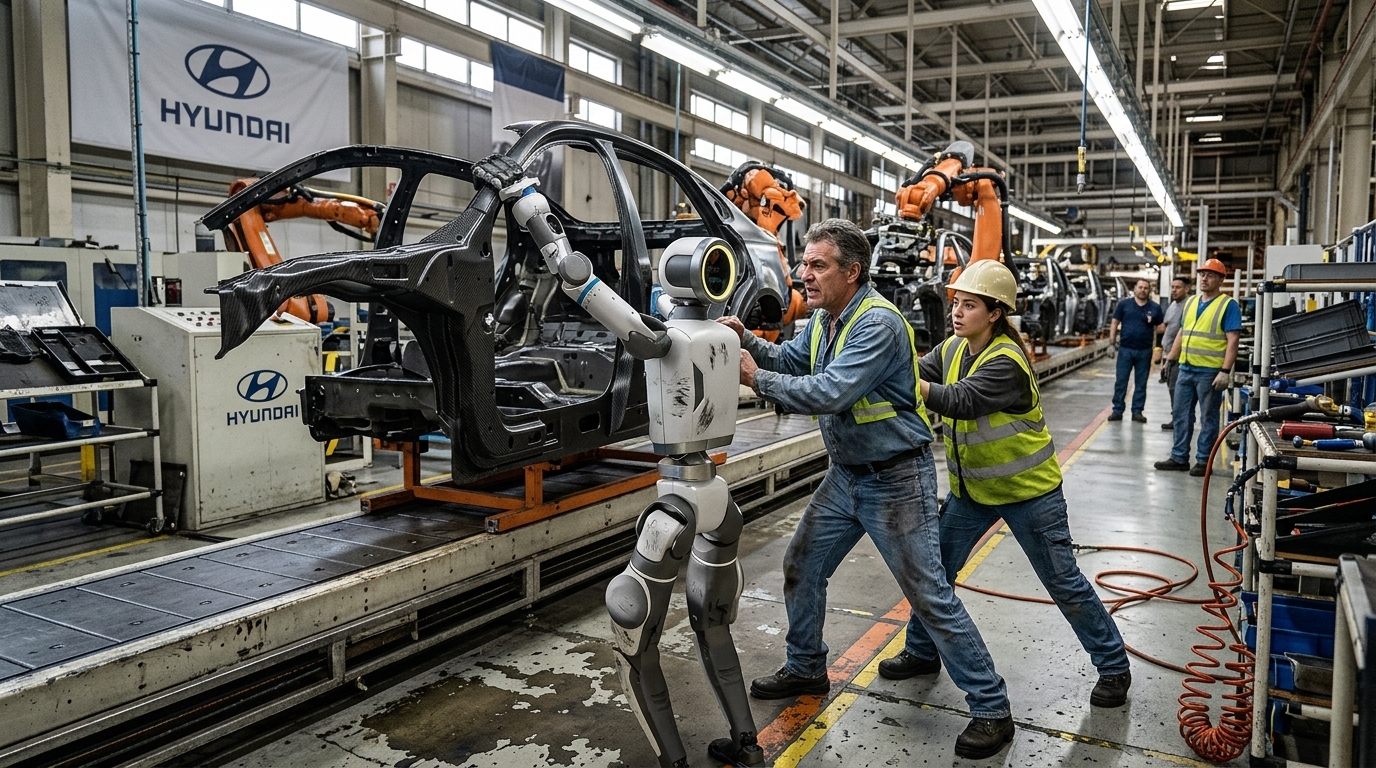
In today's digital era, Artificial Intelligence (AI) is no longer a futuristic promise but an omnipresent reality shaping everything from medical diagnoses to financial approvals. However, beneath the surface of rapid adoption lies a deep and growing crisis of trust. Users, regulators, and developers themselves are increasingly concerned about algorithmic "black boxes," embedded biases, and a lack of accountability. In this context, an unexpected voice is emerging from the heart of the United States: Chicago. The Windy City isn't just vying for a slice of the tech pie; it aspires to become the global hub for "Trustworthy AI."
The Trust Deficit and the Algorithmic Challenge
Trust is the currency of the digital economy. Without it, AI adoption will remain superficial and fraught with risk. The problem is not merely technical but profoundly social. When an AI system rejects a loan application or suggests a treatment without being able to explain "why," a power vacuum is created. Lack of transparency leads to skepticism, and skepticism leads to resistance. Recent revelations about biased outcomes in generative AI models have intensified the need for a new framework that puts humans at the center.
"Technology without ethics is a blind tool. The challenge of the 21st century is not to build smarter machines, but more responsible ones," notes the analysis from Crain's Chicago Business.
Chicago possesses a unique ecosystem that makes it ideal for solving this puzzle. Unlike Silicon Valley, which is often accused of a "move fast and break things" mentality, Chicago has a long tradition of industrial discipline, manufacturing, transportation, and healthcare—sectors where failure is not an option and safety is paramount.
The Chicago Advantage: A Convergence of Science and Industry
But why Chicago? The answer lies at the intersection of top-tier academic institutions and a diverse economic base. With universities like the University of Chicago, Northwestern, and UIC, the city produces some of the world's leading researchers in data science and ethics. Furthermore, the presence of national laboratories such as Argonne and Fermilab provides a computational power infrastructure that few cities can match.
- Cross-sector Collaboration: The city acts as a bridge between theoretical research and practical application in critical fields like logistics and biotech.
- Regulatory Leadership: Chicago has the opportunity to lead in creating standards that could form the basis for federal or even international regulations.
- Inclusivity: The city's demographic diversity allows for testing AI systems on real-world data representing a wide spectrum of the population, thereby reducing algorithmic bias.
Chicago's approach focuses on developing "Explainable AI" (XAI) tools. The goal is to create systems that not only provide results but also offer a clear logical path, allowing human operators to understand and challenge the machine's decisions.
Ethics as a Competitive Advantage
In the past, ethics was often viewed as a barrier to innovation—a set of rules that slowed down growth. Today, this perspective is being overturned. In the AI market, trust is becoming a competitive advantage. Companies that can prove their systems are fair, safe, and transparent will win market share in a world that is becoming increasingly wary.
Chicago, by positioning itself as the "safe harbor" for AI development, attracts investment from businesses seeking stability and long-term viability. It's not just about creating code; it's about creating a social contract for the digital age. The city can function as a living laboratory where technological progress goes hand-in-hand with social responsibility.
Conclusions for the Future
The path toward trustworthy AI is long and arduous. It requires the collaboration of governments, academics, and the private sector. Chicago has all the necessary ingredients to lead this effort, but success is not guaranteed. It requires political will, continuous funding, and, above all, a commitment that ethics will not be sacrificed at the altar of quick profit. If Chicago succeeds, it will have offered humanity something far more valuable than a new app: it will have offered a way for us to coexist with machines safely and with dignity.