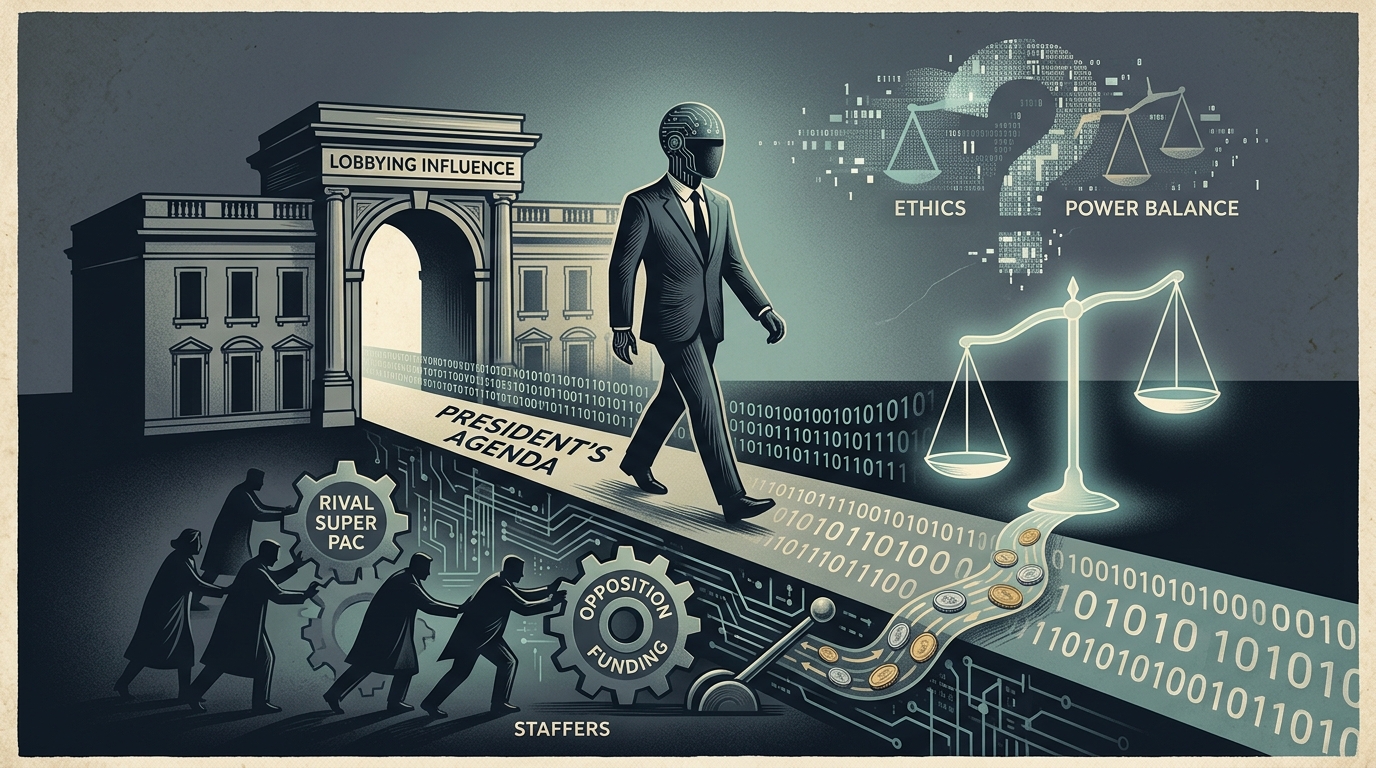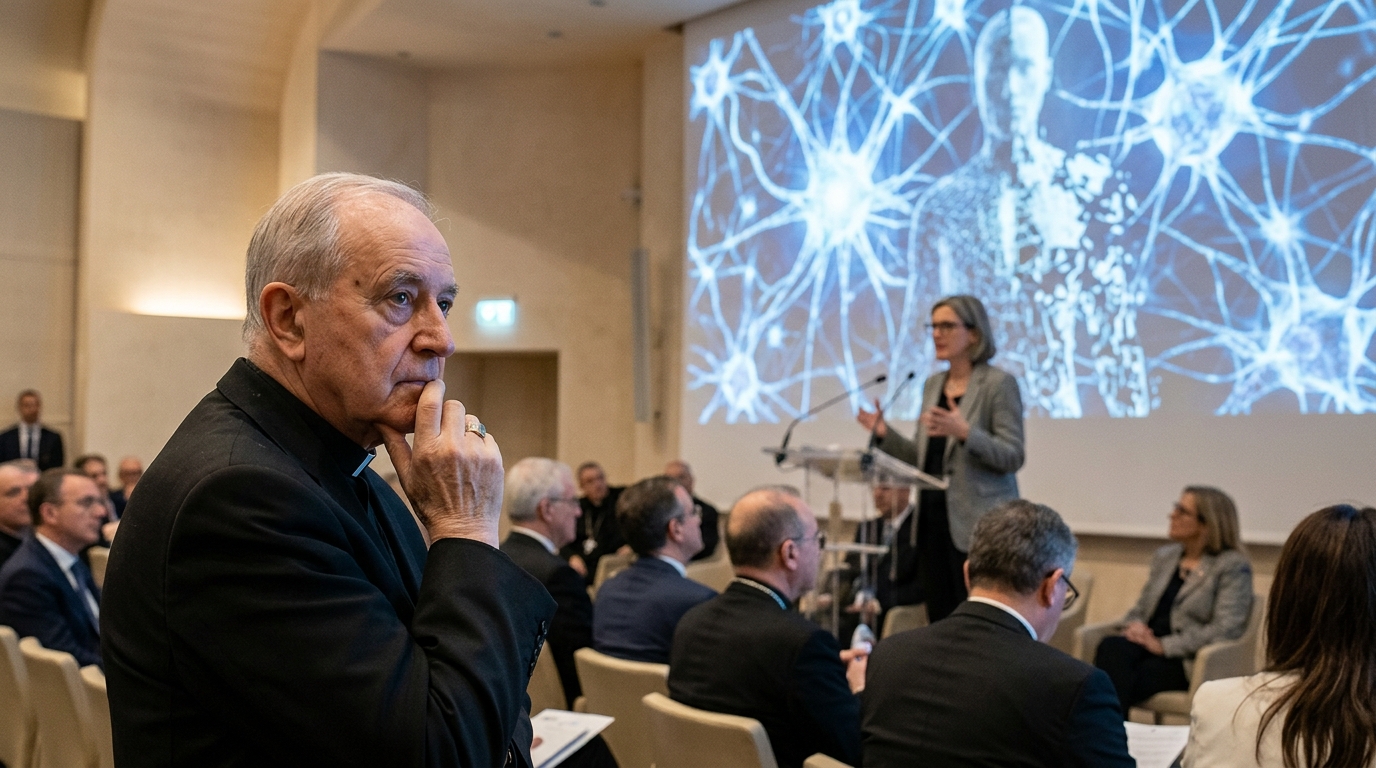
In an era where the digital revolution is no longer a future promise but a daily reality, the intersection of ancient faith and cutting-edge technology is creating a new battlefield for ideas. The recent call by religious leaders and ecclesiastical organizations for a continental debate on Artificial Intelligence (AI) is not merely about regulating technology; it is about the very essence of human existence. The question posed by exaudi.org and other church circles is clear: Can individual dignity survive in a world governed by opaque algorithms?
The Technocratic Paradigm and Human Substitution
The Church, through its representatives in the European Union (such as COMECE), warns against the trap of what Pope Francis calls the "technocratic paradigm." This is the belief that every problem—social, ethical, or spiritual—can be solved through technological progress. However, AI brings a unique challenge: the substitution of human judgment. When decisions regarding health, employment, or even justice are delegated to machines, the "person"—a fundamental concept in Christian anthropology—risks being reduced to a mere data point.
The concern is not just theoretical. The use of AI in decision-making can amplify existing biases and lead to new forms of social exclusion. For the Church, human dignity is inherent and non-negotiable, regardless of an individual's productivity or digital footprint. The call for debate aims to ensure that technology remains at the service of humanity, and not vice versa.
Ethics and Legislation: Moving Beyond the AI Act
While the European Union has led the way with the EU AI Act, the Church argues that legal regulation alone is insufficient. There is a need for "algorethics," a term increasingly used in the Vatican to describe the necessity of embedding ethical values into the very design of AI systems. The proposed continental debate seeks to bring theologians, philosophers, scientists, and politicians to the same table.
- Algorithmic transparency and the right to human intervention.
- Protection of vulnerable groups from automated discrimination.
- Preservation of privacy as a space for spiritual freedom.
- The responsibility of tech corporations toward the common good.
These points form the core of the ecclesiastical intervention. The Church does not oppose progress; rather, it demands a progress that is "human-centric" in the truest sense of the word. As noted, technology lacks consciousness and a moral compass; these must be provided by the society that creates it.
Social Justice in the Digital Age
Another critical dimension of the call is social justice. AI threatens to widen the gap between those who own the technology and those who are merely subject to it. In poorer regions of Europe and the world, the lack of access to digital tools or the imposition of algorithmic control systems could create a new class of "digitally marginalized." The Church sees its role as a protector of these groups, insisting that innovation must not come at the expense of social cohesion.
"Artificial Intelligence can be a tool of liberation, but if left unchecked, it can become a tool of new enslavement," states the communication that sparked the discussion.
In conclusion, the proposal for a continental debate is an invitation to vigilance. In a world changing at breakneck speed, the need for stable ethical values becomes more urgent than ever. Humanity is called to decide whether it will remain the master of its destiny or hand over the keys of its conscience to machines. The Church, with its long tradition of examining human nature, offers an essential perspective at this critical turning point in history.