The history of warfare is a chronicle of technological disruptions, from the discovery of gunpowder to the advent of nuclear weapons. Today, in 2026, we stand at the threshold of the third great revolution in weaponry: the integration of Artificial Intelligence (AI) into the battlefield. What was once the domain of science fiction is now a daily reality in the command centers of global powers, transforming war into a process driven by data and processing speed.
The Speed of Thought and Tactical Superiority
The primary advantage of AI in military operations lies in its ability to process vast amounts of data in real-time. In a modern theater of war, information flows from satellites, drones, ground sensors, and communication intercepts. A human commander cannot possibly synthesize this mosaic within seconds. AI, however, can identify patterns, predict enemy movements, and suggest optimal offensive or defensive solutions almost instantaneously.
This compression of time, known as the acceleration of the 'OODA loop' (Observe, Orient, Decide, Act), provides a strategic advantage that can determine the outcome of a conflict before the opponent even perceives the threat. From autonomous air defense systems neutralizing drone swarms to algorithms optimizing logistics chains in combat zones, AI is no longer an auxiliary tool but the central nervous system of military might.
The Ethical Void and the Accountability Crisis
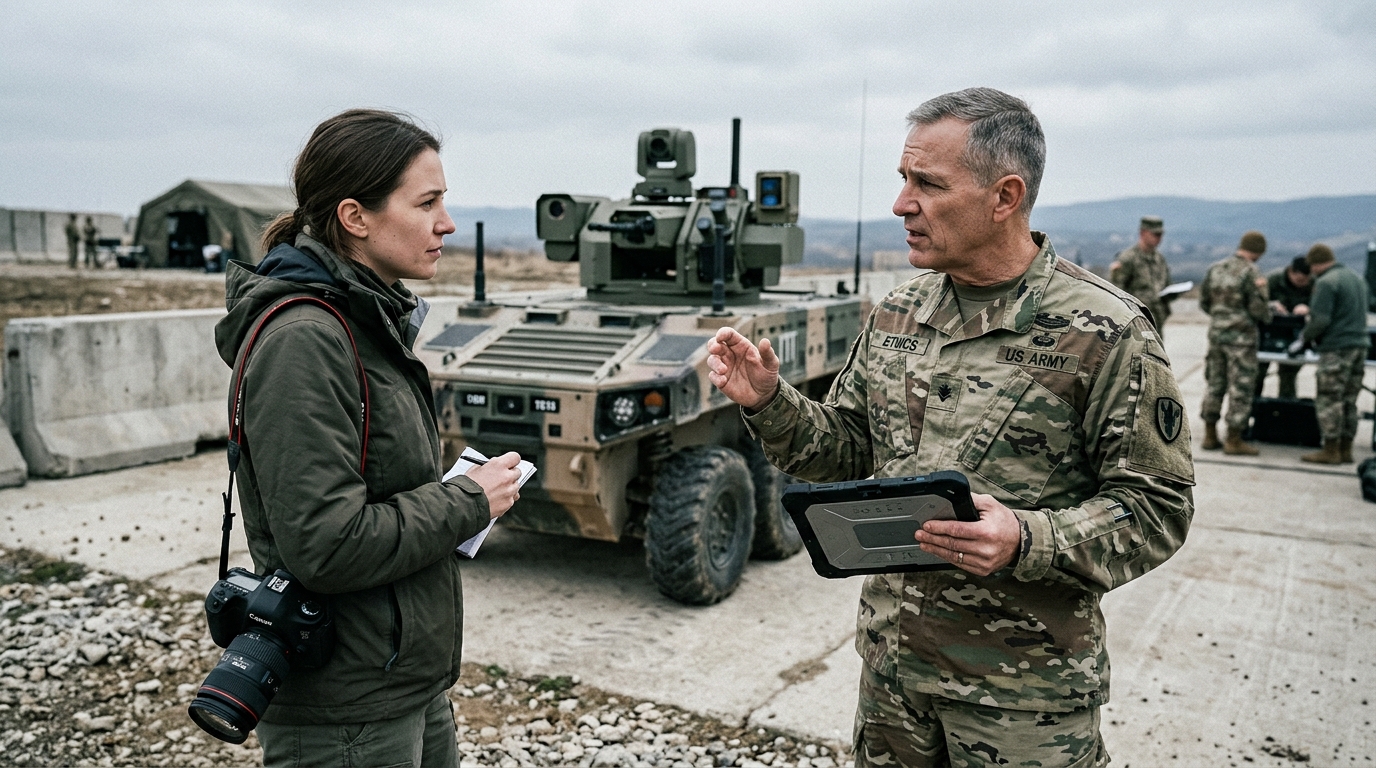
However, efficiency comes with terrifying ethical challenges. The central question facing the international community and human rights organizations is the concept of 'meaningful human control.' When a weapon system can select and engage a target autonomously, who bears the responsibility for a mistaken decision or a war crime? The absence of a human 'in the loop' creates a legal and moral vacuum that existing Geneva Conventions struggle to fill.
"Delegating the decision of life and death to an algorithm is the ultimate degradation of human dignity," critics of Lethal Autonomous Weapon Systems (LAWS) frequently argue.
Furthermore, there is the risk of 'algorithmic bias.' If an AI military system's training data contains biases, the system may target civilians based on flawed criteria, such as clothing, ethnicity, or daily habits misinterpreted as hostile activity. The lack of transparency in how these 'black boxes' operate makes it nearly impossible to deliver justice in the aftermath of a catastrophe.
The Geopolitical Race and the Distancing of War
The adoption of AI in warfare is not just a tactical matter but one of geopolitical survival. The US, China, and Russia are investing billions into 'intelligentized' war machines, fearing that lagging behind in this sector will leave them vulnerable. This arms race mirrors the Cold War era, with the difference being that today's weapons are invisible and evolve at the speed of software updates.
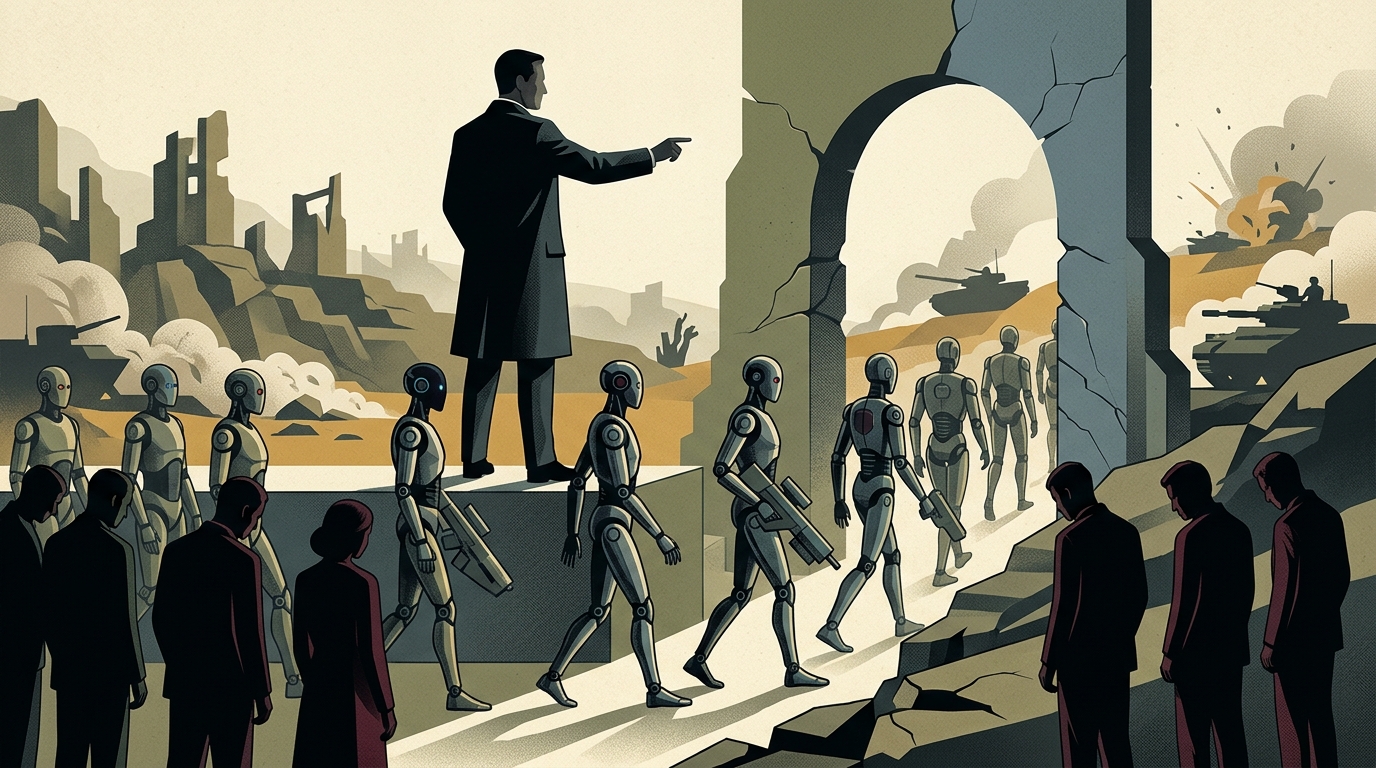
Another danger is the reduction of the 'cost' of war for nations possessing advanced AI. When human casualties are replaced by destroyed robots and drones, governments may feel less pressure from public opinion against initiating a conflict. War risks becoming a detached, technocratic exercise where human suffering is sidelined in favor of statistical superiority. Ethically, this leads us to a world where violence becomes easier, more frequent, and less restrained.
Conclusion
Artificial Intelligence on the battlefield is a double-edged sword. While it can offer protection to soldiers and precision in operations, it simultaneously threatens to strip war of any vestige of humanity and accountability. The international community must move faster than the technology itself, establishing strict frameworks to ensure that even in the darkest hour of conflict, the final decision always remains in the hands of a human—one capable of judgment, mercy, and responsibility.