In the modern political arena, the battle for dominance is no longer fought solely in public squares or on television screens, but in the unseen laboratories of algorithms. A recent analysis by The Washington Post highlights a disturbing reality: Artificial Intelligence (AI) is no longer a futuristic scenario for election campaigns, but the central engine reshaping how candidates communicate, persuade, and, in some cases, mislead the electorate.
From Deepfakes to Hyper-Personalization
While public attention often focuses on the danger of "deepfakes"—highly realistic but false videos—the real revolution is happening at a more subtle level. Generative AI allows political campaigns to create thousands of variations of an advertisement within minutes, tailored to the psychographic characteristics of each individual voter. This "hyper-personalization" means that two neighbors might see completely different versions of a candidate's stance, based on data collected about their fears, desires, and consumer habits.
"Artificial Intelligence has democratized the ability to produce propaganda on an industrial scale," the analysis notes. "What once required armies of consultants and graphic designers is now done at the push of a button, reducing costs while geometrically increasing the noise."
The Erosion of Shared Truth
The greatest ethical issue arising is not just the possibility of a lie, but the collapse of the concept of a shared truth. When voters are bombarded with AI-generated content, they develop what researchers call the "liar’s dividend." In this environment, citizens tend to dismiss even real facts as "AI-fabricated" if they do not align with their existing beliefs. Democracy relies on a common public square for debate; AI fragments it into millions of private, algorithmic bubbles.
Regulatory Gaps and Platform Responsibility
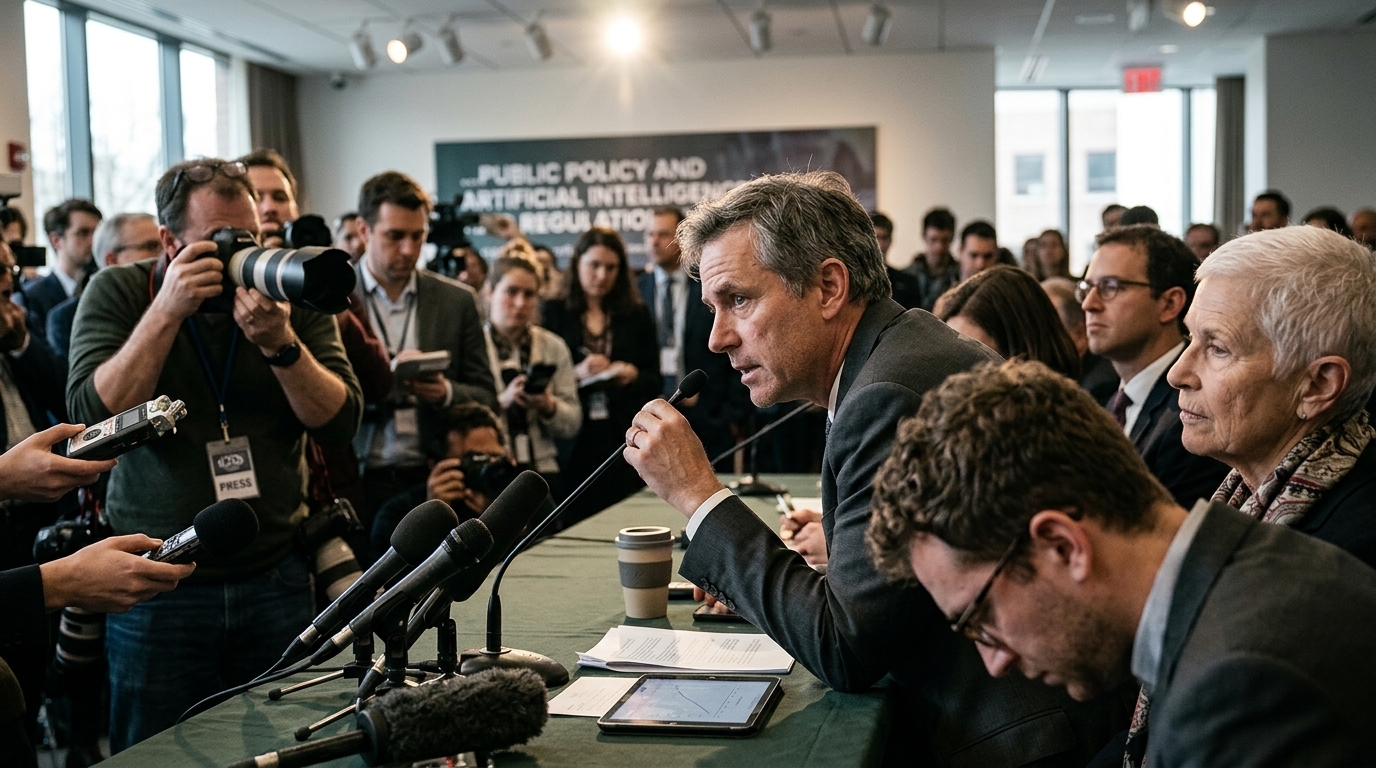
Despite efforts at legislative regulation, such as the European Union's AI Act or various state-level regulations in the US, technology moves at speeds that bureaucratic mechanisms fail to match. Major tech platforms like Meta and Google have established rules requiring the labeling of AI-generated content, yet enforcement remains problematic. Many "gray zones" exist: When does an edited photo become "misleading"? Is the use of AI to enhance a candidate's voice legitimate?
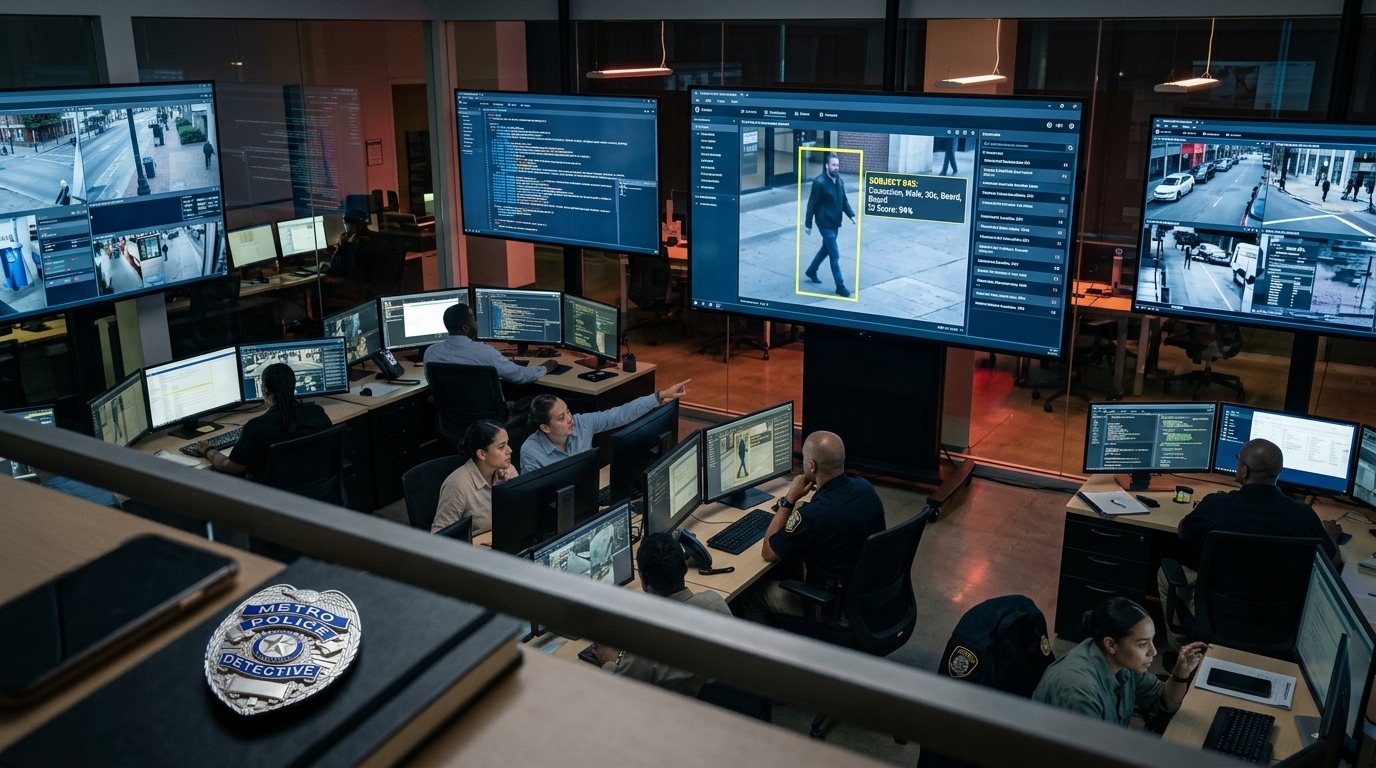
- Automated Targeting: Algorithms predict which voters are most susceptible to specific messages.
- Content Scaling: Production of endless text and imagery at minimal cost.
- Trust Crisis: The difficulty in distinguishing reality from fabrication reduces civic engagement.
Conclusion: The Future of the Vote
The use of AI in political advertising is not a temporary trend but a permanent paradigm shift. As we head toward the next major global elections, the need for digital literacy among citizens becomes imperative. It is no longer enough to judge the message; we must be able to understand the mechanism of its production. Transparency in algorithms and strict accountability for political campaigns are the only tools remaining to safeguard the integrity of our vote.