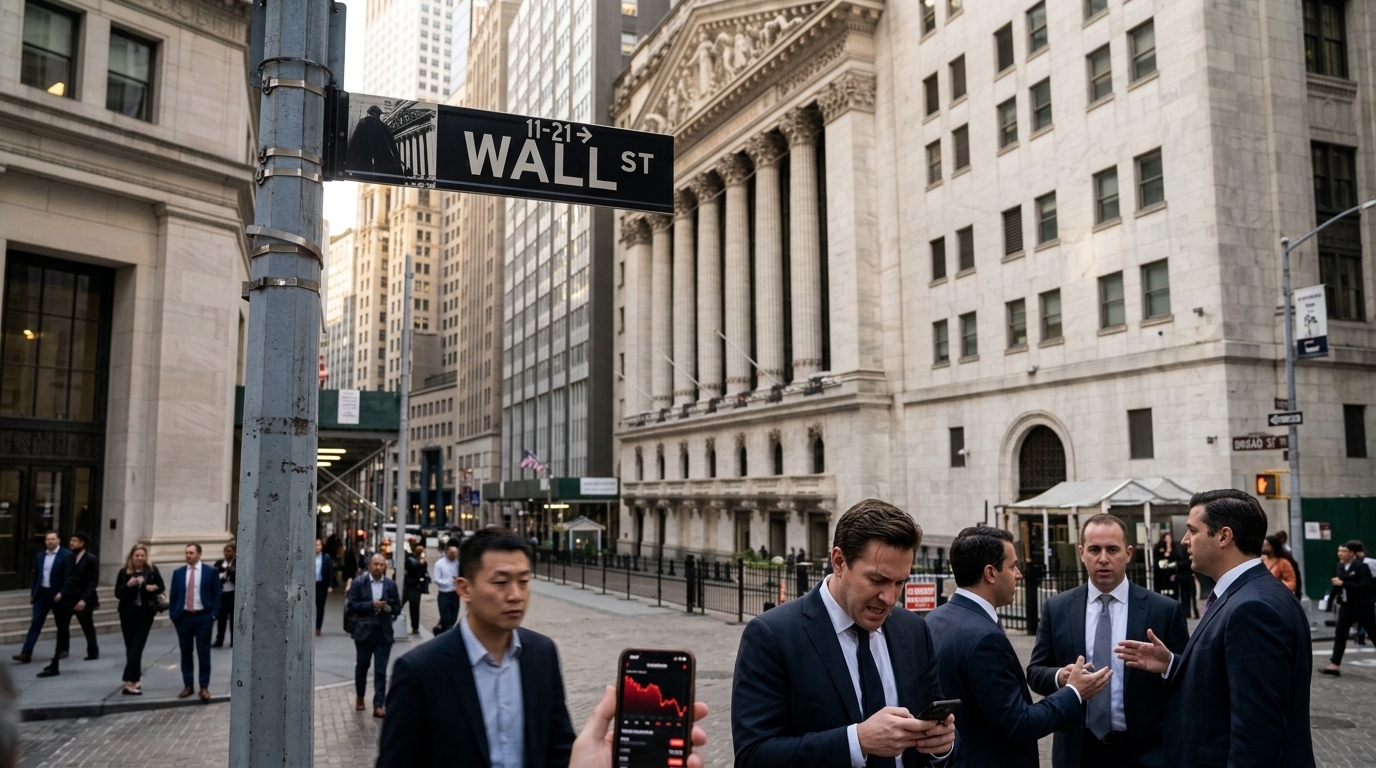
In the glass towers of Manhattan and the subterranean data centers of major hedge funds, a new form of divination is taking root. Wall Street, having exhausted traditional economic models, is now turning to tools that were once the exclusive domain of meteorologists and seismologists. The use of so-called "catastrophe models" to predict geopolitical upheavals and military conflicts represents the cutting edge of risk management technology, transforming human tragedy into a series of calculable probabilities and financial parameters.
From Hurricanes to Battlefields
For decades, insurance companies and reinsurers relied on stochastic models to estimate the probability of a Category 5 hurricane hitting Florida or an earthquake striking Tokyo. These models run millions of simulations, taking into account historical data, atmospheric conditions, and structural resilience. Today, firms like Verisk and Moody’s RMS, in collaboration with AI startups, are upgrading these tools to include "man-made catastrophes."
The logic is simple yet chilling: just as a hurricane follows a specific path based on barometric pressures, a war is often preceded by specific "signals." These include troop movements detected by commercial satellites, sudden spikes in hate speech on social media, shifts in commodity prices, and unusual capital flights. New AI models process this data in real-time, offering investors a "probability of conflict" score for specific geographic zones.
The Weaponization of Geopolitical Uncertainty
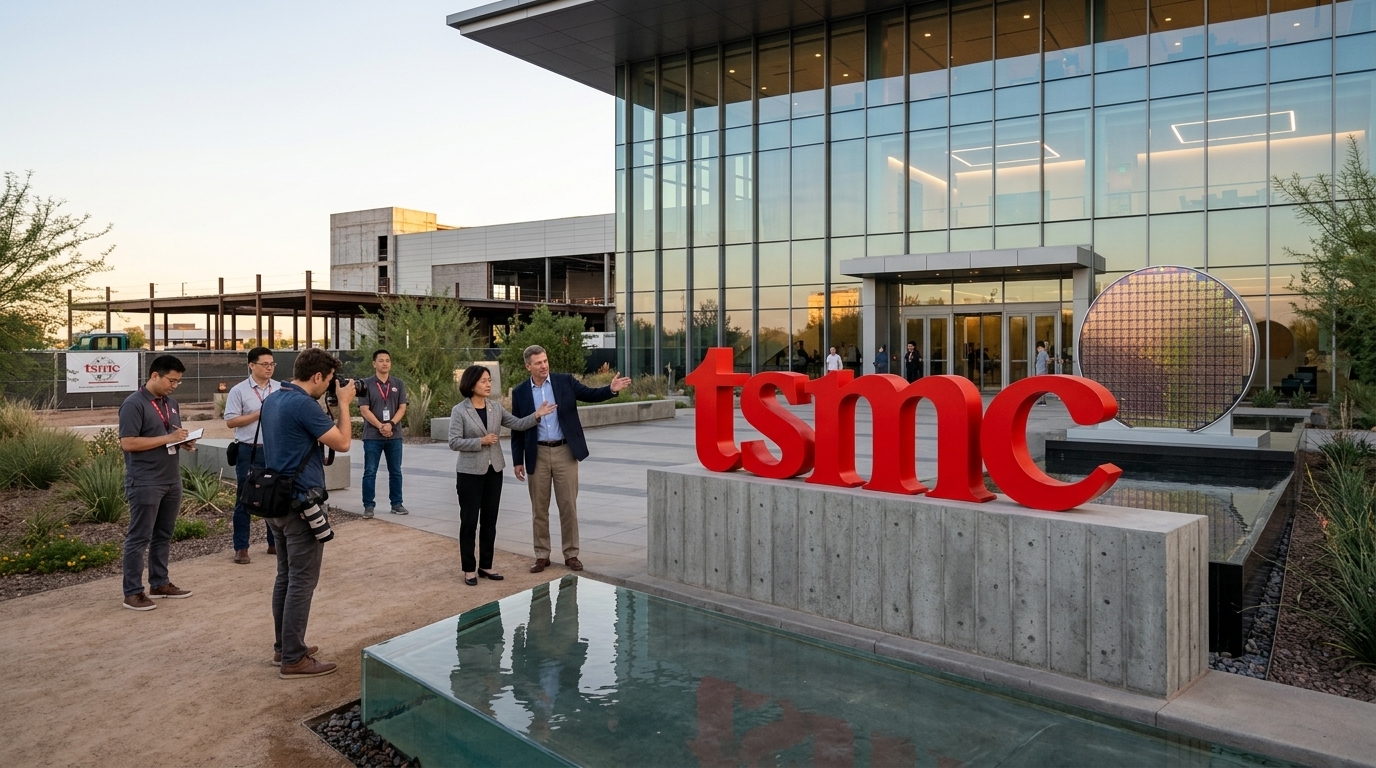
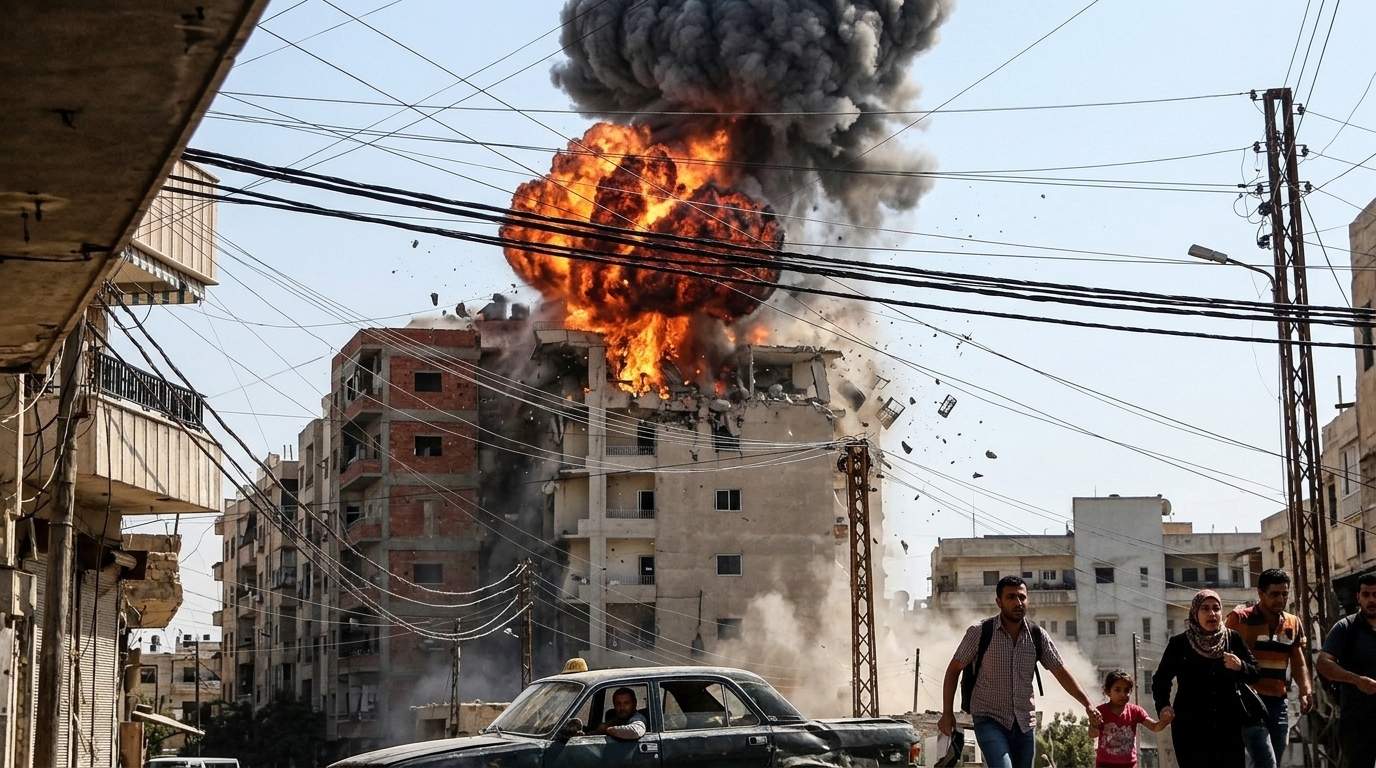
For hedge fund managers, this information is invaluable. In a world of hyper-fragile supply chains, a conflict in the Taiwan Strait or an escalation in the Middle East can wipe out billions of dollars in minutes.
"We aren't trying to predict if a war is just or unjust," says a Goldman Sachs analyst who requested anonymity. "We are trying to price the risk of a semiconductor production halt or the surge in oil transit costs."
These models don't just look at whether a war will break out, but what form it will take. Will it be a conventional war? A cyberattack on infrastructure? Or perhaps an economic blockade? Each scenario has different implications for bond and equity markets. The use of Artificial Intelligence allows for the creation of "digital twins" of entire nations, where analysts can stress-test their investments against hypothetical invasion scenarios.
Ethical Dimensions and the Self-Fulfilling Prophecy
However, the application of these models raises serious ethical questions. When markets begin to bet massively on the likelihood of a war, their actions can accelerate the crisis. Capital flight from a country deemed "high risk" by a model can lead to economic collapse, which in turn fuels social unrest and, ultimately, the conflict the model predicted.
Furthermore, there is the danger of "dehumanizing" strategy. If state leaders begin to rely on these financial models to make decisions, war ceases to be the last resort of failed diplomacy and becomes a mere variable on a balance sheet. History has shown that mathematical models, no matter how sophisticated, often fail to predict the "Black Swan"—the unpredictable element of human will or the random error that sparks a global conflagration.
The Future of Investment Strategy
Despite these reservations, the trend seems irreversible. Wall Street now has access to intelligence that was previously the sole province of national security agencies. The convergence of geopolitical analysis and data science is creating a new class of "military-financial analysts." In the future, a stock's value may not depend on a company's earnings, but on how well its AI model predicts the next move on the global power chessboard. For regions with traditionally high geopolitical risk, the dominance of these models means that foreign investment will increasingly depend on the "digital verdict" of algorithms running in New York.