The Artificial Intelligence revolution is fueled not just by algorithms and silicon, but by an insatiable and ever-growing hunger for electricity. As data centers expand globally to support Large Language Models (LLMs), the power grid is being pushed to its structural limits. On June 3, 2026, a strategic partnership between Google and the energy firm Voltus has highlighted a technology that promises to reshape our understanding of energy production and consumption: Virtual Power Plants (VPPs).
What are Virtual Power Plants?
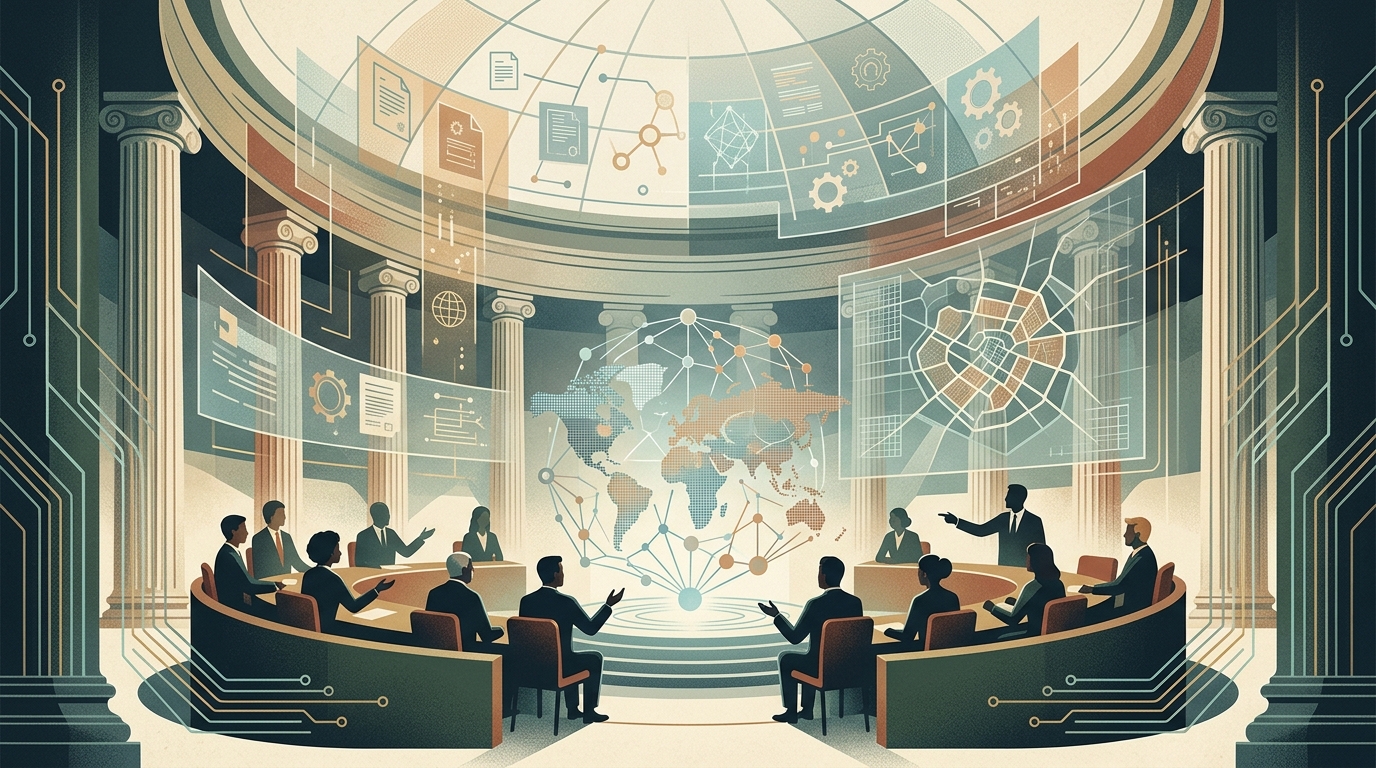
A Virtual Power Plant (VPP) is not a centralized facility with cooling towers or reactors. Instead, it is a digitally orchestrated network of thousands of small, decentralized energy resources. These can include residential batteries, electric vehicles (EVs), smart thermostats, and industrial cooling systems. When grid demand peaks, VPP software "asks" these devices to either feed energy back into the grid or temporarily reduce their consumption.
Google’s deal with Voltus focuses on the PJM Interconnection, the largest power grid in the United States, spanning from Illinois to Virginia. In this context, Google isn't just buying power; it is investing in the grid's ability to self-regulate. Instead of building a new natural gas peaker plant to meet data center needs during high-demand hours, the VPP pays consumers and businesses to "power down" specific non-essential systems, thereby freeing up capacity for Google’s critical infrastructure.
The Economics of 'Negawatts'
In energy terminology, a "negawatt" refers to a unit of energy that is saved rather than produced. The economic logic behind the Google-Voltus partnership is built on this concept. For data centers, grid stability is a matter of operational survival. The traditional solution—building new power plants—is slow, bogged down by regulation, and environmentally costly. VPPs offer a flexible, asset-light alternative.
Voltus acts as an aggregator, bundling thousands of small users into a single entity that can be auctioned in the energy market. Google, through its financial backing, helps scale this network. This creates a new economic model where an average citizen can earn money simply by allowing their smart thermostat to adjust the temperature by two degrees for an hour, ensuring the grid doesn't collapse under the load of servers training the next generation of AI.
Social Challenges and Ethical Questions
Despite the clear advantages, this strategy raises significant questions. Is it ethical to ask citizens to curtail their comfort to power the algorithms of tech giants? While participation is voluntary and compensated, the power dynamic is clear. Big Tech companies possess the financial leverage to "buy" priority on the grid, effectively turning the collective conservation of the many into fuel for the few.
However, proponents of VPPs argue that this is the only sustainable path forward. Without such systems, rising energy prices and frequent blackouts would become the new normal. Grid digitization allows for a more democratic distribution of resources, where waste is penalized and flexibility is rewarded. In Europe, where energy security remains a sensitive topic, the VPP model is gaining traction, with countries like Greece exploring similar solutions for islands and remote regions.
The Future: From Consumers to 'Prosumers'
Google’s move signals a transition to an era where the distinction between producer and consumer is blurred. We are becoming "prosumers." Our homes, cars, and appliances are becoming part of a global energy orchestra. The success of this venture will depend on user trust and the technology's ability to manage millions of real-time transactions.
Ultimately, virtual power plants are not just a technical tool but a social contract. If we accept that AI is necessary for progress, we must also accept the need for a smarter, more flexible, and more participatory energy grid. Google is betting that the future of AI depends on whether we can convince humans to cooperate with machines, not just at the software level, but at the power outlet.