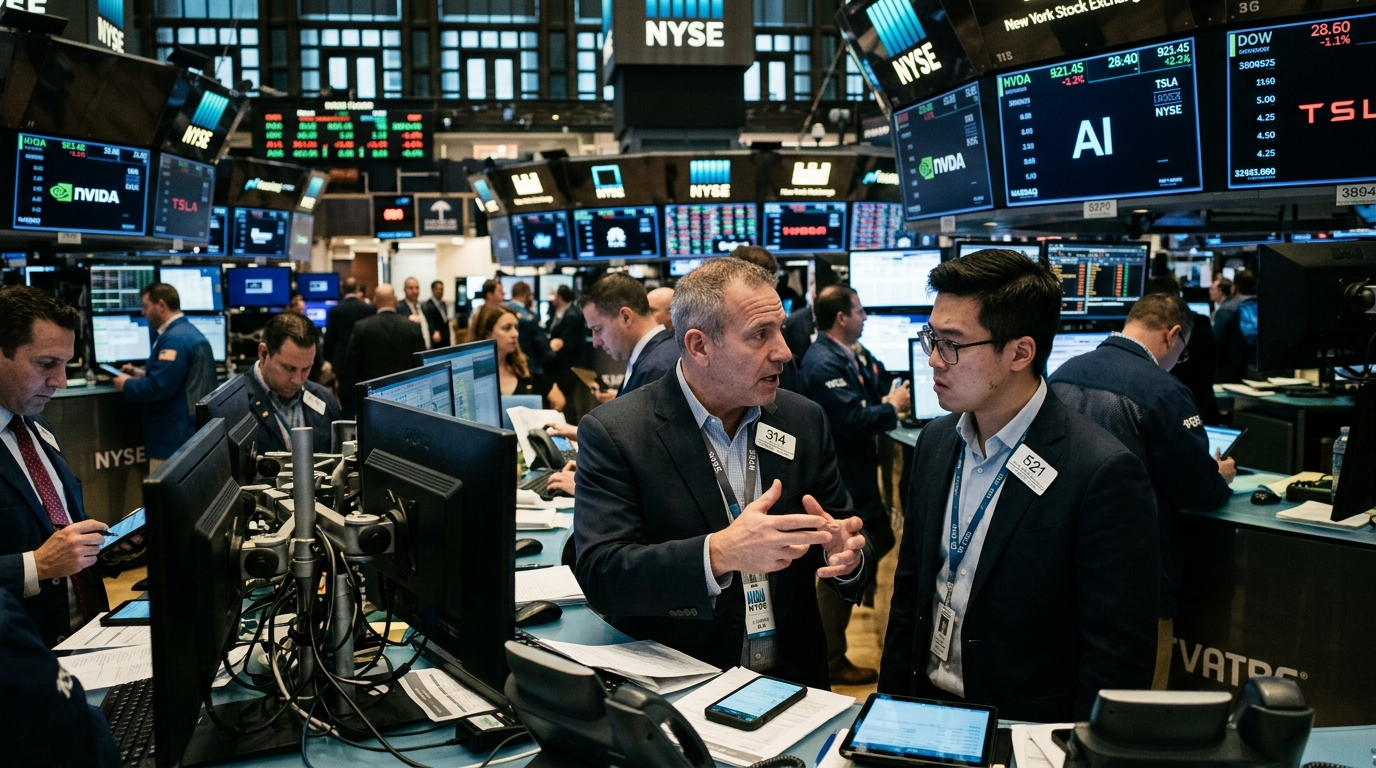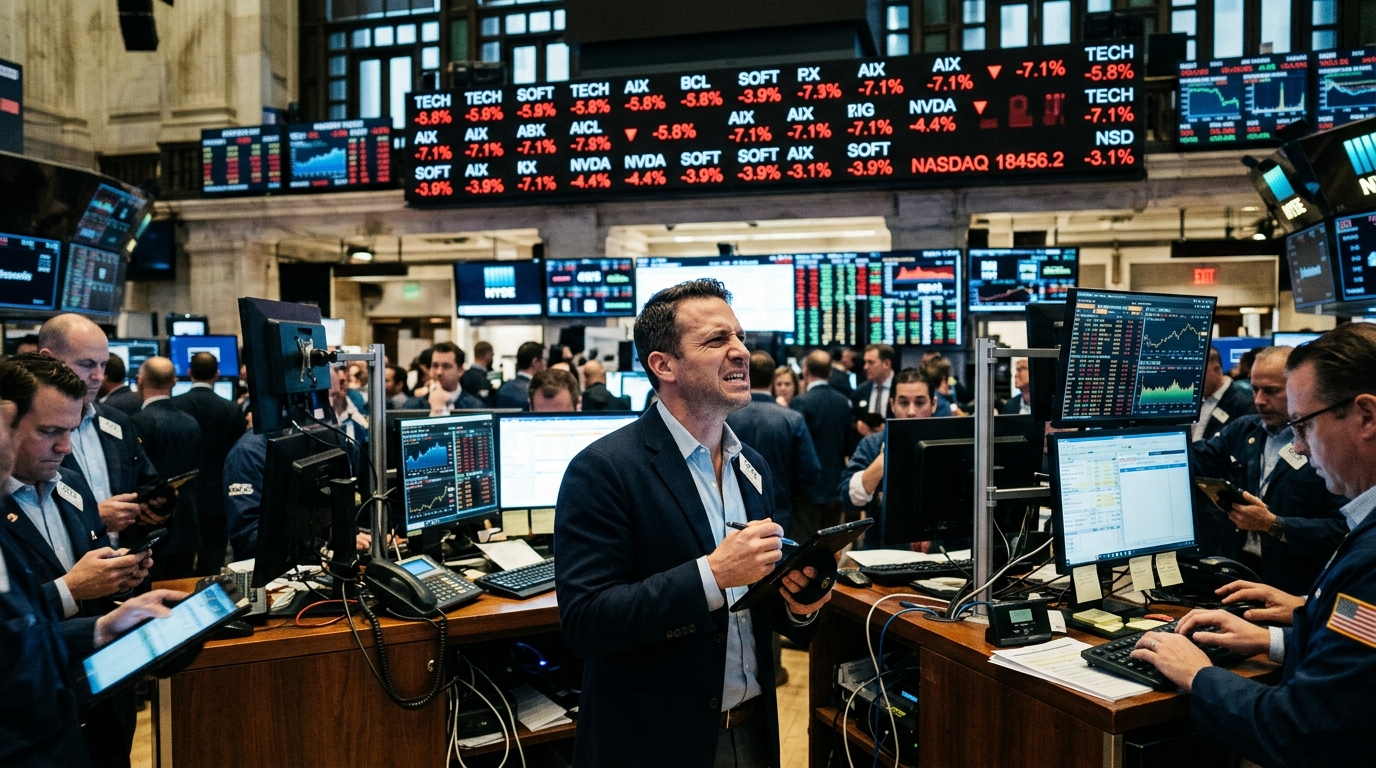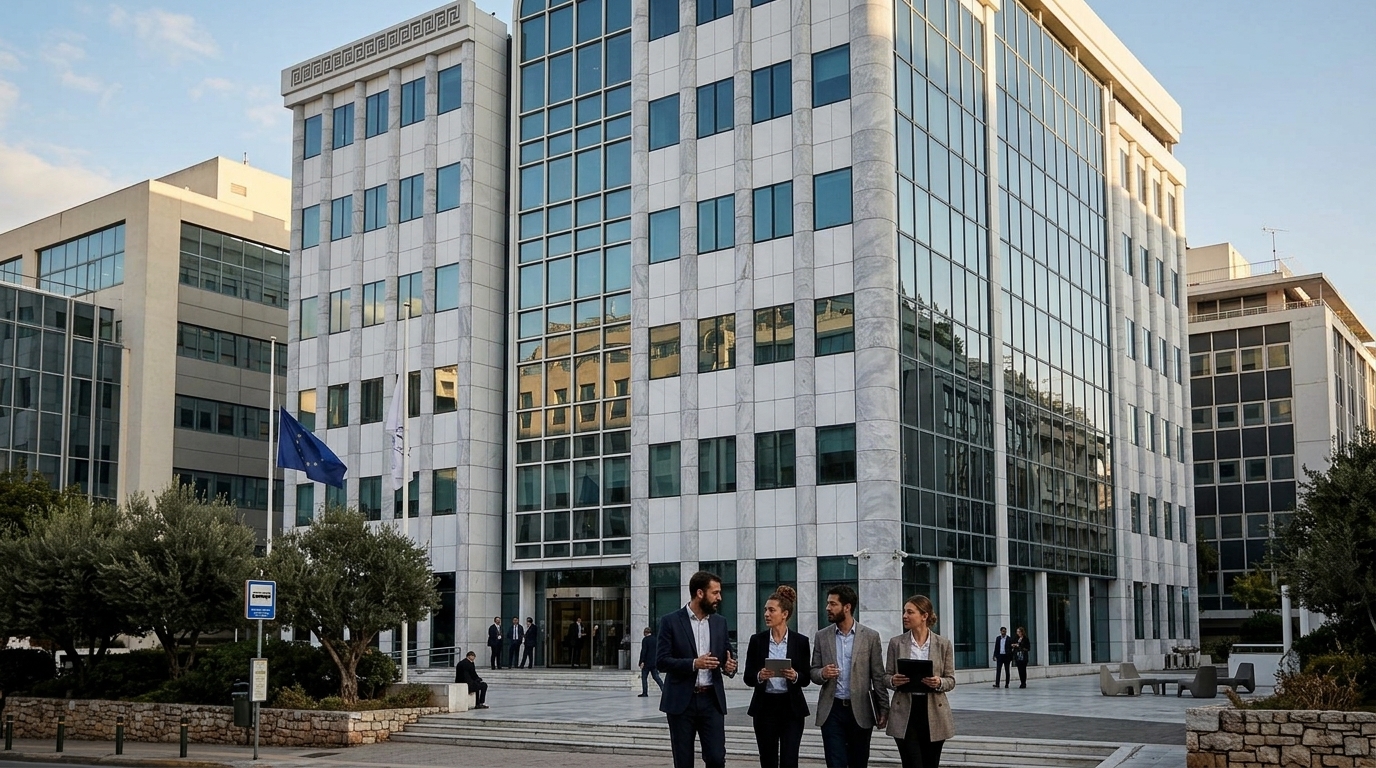
The Greek corporate sector is currently experiencing what many analysts describe as a "renaissance." Following a decade of crisis and a grueling period of adjustment, companies listed on the Athens Stock Exchange (ASE) are demonstrating an unprecedented capacity for value creation. The "surplus performance" in Return on Equity (ROE) is not merely a figure on a balance sheet; it is evidence that the leadership of Greek groups has learned to navigate uncharted waters successfully, capitalizing on the opportunities provided by the recovery of investment-grade status and the influx of funds from the Recovery and Resilience Facility (RRF).
The Banking Sector as the Growth Engine
One cannot analyze the return on equity in Greece without starting with the banks. Following the cleanup of their balance sheets from Non-Performing Loans (NPLs), systemic banks have transformed into profit-generating machines. The rise in interest rates by the European Central Bank has acted beneficially for Net Interest Margins (NIM), while operational cost containment through digital transformation has further bolstered the bottom line. The ROE of Greek banks now moves at levels exceeding the European average, attracting institutional investors seeking high dividend yields and long-term stability.
Industry and Energy: Resilience through Internationalization
Beyond the financial sector, the energy and heavy industry sectors are showing impressive results. Companies like Metlen (formerly Mytilineos), HELLENiQ ENERGY, and Motor Oil have evolved into regional players with international reach. The strategic shift toward the green transition and Renewable Energy Sources (RES) has created new revenue streams with high profit margins. The managements of these companies have proven they can handle the energy crisis and geopolitical tensions while maintaining equity efficiency at levels that allow for the continuation of large capital expenditure (Capex) programs.
- Growth in net profits through operational efficiency and scale.
- Strategic deleveraging and reduction of borrowing costs.
- Focus on high-value-added sectors with an export orientation.
- Utilization of RRF resources for infrastructure modernization.
Challenges and the Sustainability of Returns
However, the question occupying the market is whether this "surplus" is sustainable. Inflation remains an unpredictable factor pressing production costs and operational profitability (EBITDA). Simultaneously, the shortage of skilled labor represents a new challenge that could stall growth in specific sectors, such as IT and construction. The sustainability of high returns will depend on the ability of companies to continue innovating and adapting to ESG (Environmental, Social, and Governance) criteria, which are now prerequisites for attracting serious international capital.
"Return on Equity is not just a profitability metric; it is the mirror of the confidence management has in the future of their company," market sources suggest.
In conclusion, the Athens Stock Exchange is no longer the "shallow" market of the past. Listed companies have gained depth, maturity, and, most importantly, the ability to generate wealth for their shareholders under various conditions. The current juncture offers a unique opportunity for the further consolidation of the Greek economy on the European map, with listed companies serving as the spearhead of this effort.