

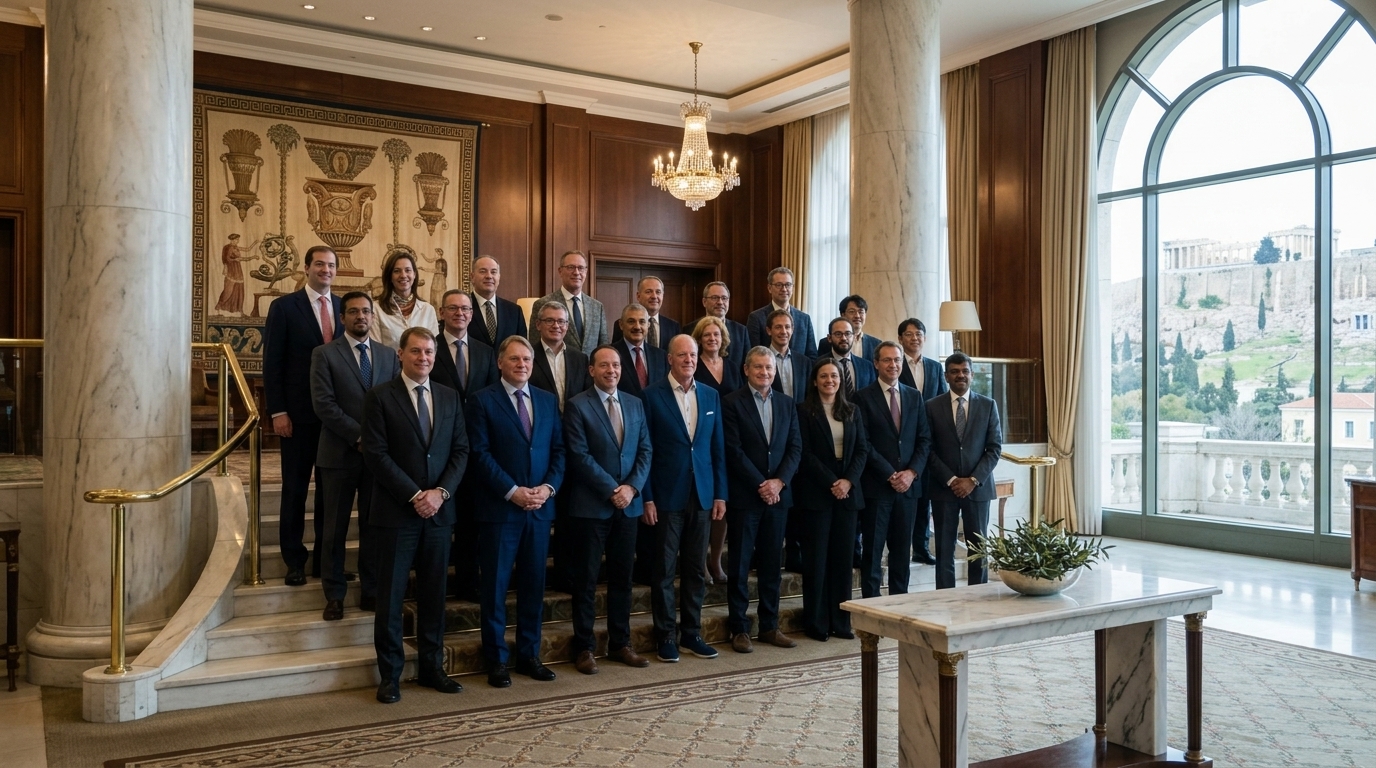
Athens recently served as the global decision-making center for the future of electrical grids, hosting the GO15 association summit. The event, organized under the auspices of the Independent Power Transmission Operator (IPTO/ADMIE), brought together the heads of the world's largest Transmission System Operators (TSOs), who collectively control over 80% of global electricity demand. The central message of the summit was clear: the green transition is no longer an option but an imperative necessity requiring a radical transformation of our infrastructure.
The Pivotal Role of Interconnections and Energy Geopolitics
During the summit's proceedings, the importance of international electrical interconnections was highlighted as the "key" to energy security and the efficient integration of Renewable Energy Sources (RES). Greece, through IPTO, presented its ambitious interconnection program, positioning the country as an energy bridge between Europe, Africa, and Asia. Projects such as the Greece-Cyprus-Israel interconnection (Great Sea Interconnector) and the Greece-Egypt interconnection (GREGY) were at the heart of the discussions.
- The need to accelerate investments in high-voltage grids.
- Managing the intermittency of RES through advanced storage systems.
- Enhancing grid resilience against the climate crisis.
As noted, transforming Greece into an exporter of green energy to Central Europe is a strategic goal that will contribute to the continent's decoupling from fossil fuels. Participants emphasized that interconnections are not just technical projects but tools for foreign policy and stability in the wider Eastern Mediterranean region.
Artificial Intelligence and Digitalization: The "Smart" Grid of the Future
One of the most interesting sessions of the summit concerned the integration of Artificial Intelligence (AI) into power system management. With the entry of millions of small producers (prosumers) and the rise of electromobility, grids are becoming extremely complex. AI offers the ability to predict production and demand with split-second precision, allowing operators to prevent potential blackouts and optimize energy flow.
"The grid of the future will not only consist of cables and pylons but of data and algorithms that will ensure balance in a decentralized system," a GO15 executive characteristically stated.
Digitalizing infrastructure is a priority for IPTO, which systematically invests in next-generation control systems. The use of Digital Twins for grid simulation and the application of cybersecurity to protect critical infrastructure were key topics of the technical discussions.
The Challenge of Financing and the Cost of Transition
Despite technological progress, financing remains the "Achilles' heel" of the green transition. GO15 representatives underlined that required investments globally amount to trillions of dollars. The pressing question raised is how this cost will be distributed without unduly burdening consumers. The need for a stable regulatory framework and the attraction of private capital are considered essential prerequisites.
In Greece's case, IPTO is implementing an investment program worth 5 billion euros until 2030. The success of this program depends on the cooperation between the state, regulatory authorities, and the market. The Athens summit demonstrated that political will exists, but faster project implementation and a reduction in the bureaucracy that often stalls major interconnections are required.
Conclusions and the "Athens Legacy"
The conclusion of the GO15 summit leaves behind a strong legacy. Athens did not just host a summit; it became the stage where the vision for a globally interconnected grid was formulated. The recognition of IPTO as an equal and leading member of this elite group of energy "giants" reflects the progress of the Greek economy and the upgrade of its geopolitical role.
The coming period will be critical for the implementation of what was agreed upon. The climate crisis does not wait, and the need for clean, cheap, and reliable energy is more pressing than ever. The "Athens Summit" will be remembered as the turning point where grid operators moved from theory to practice, laying the foundations for the energy world of 2050.





