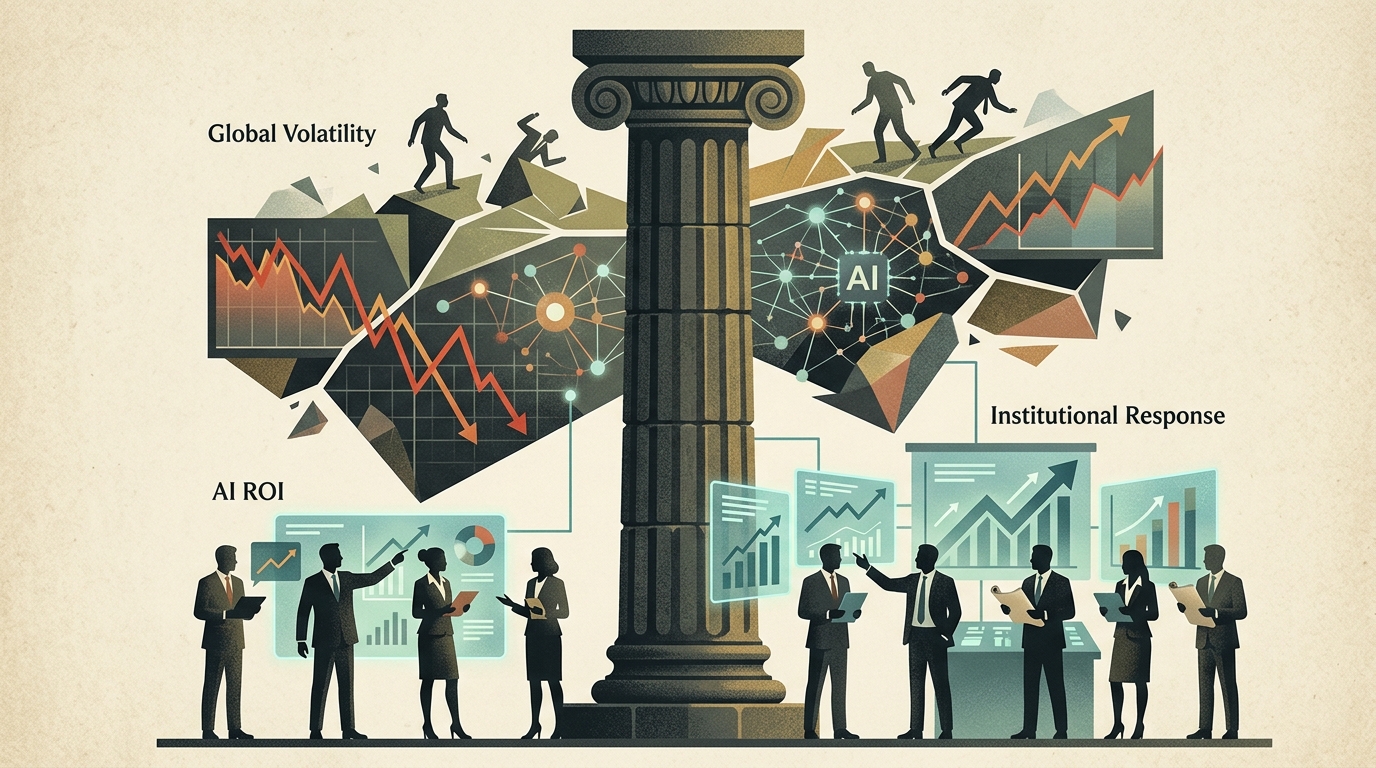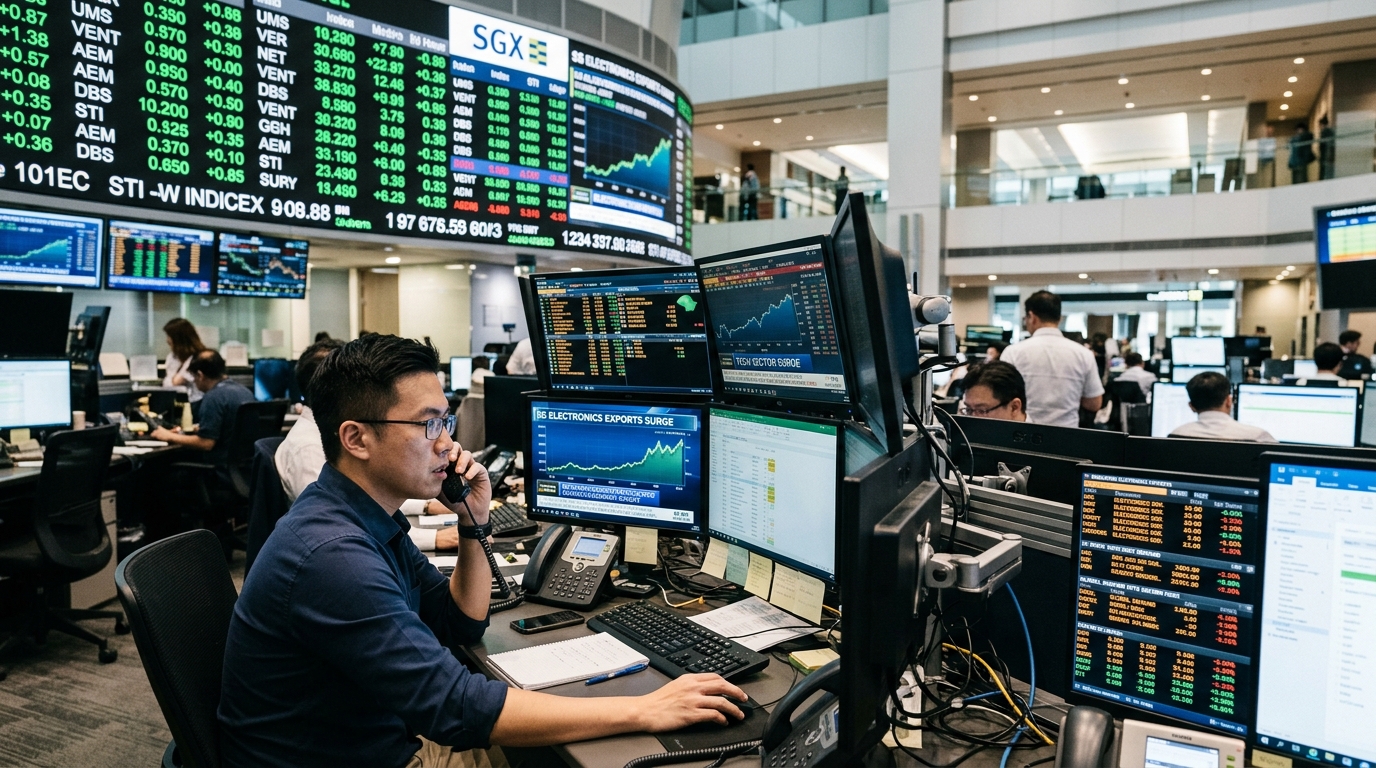
Singapore, the perennial bellwether of global trade, is experiencing an unprecedented economic renaissance. According to the latest data released on June 17, 2026, the city-state's electronics exports have surged by their largest margin on record. This development is no accident; it is the direct result of the global artificial intelligence (AI) arms race, which demands vast quantities of specialized hardware, from cutting-edge semiconductors to advanced data storage systems.
The AI Supercycle and the Singapore Advantage
The jump in non-oil domestic exports (NODX) far exceeded analyst expectations, with the electronics sector leading the charge. Demand for AI processors, high-performance GPUs, and High Bandwidth Memory (HBM) has created a demand "supercycle" reminiscent of the early days of the internet boom. Singapore, as a central hub for semiconductor assembly, testing, and logistics for industry giants, finds itself at the epicenter of this technological whirlwind.
Analysts point out that the pivot by Big Tech companies toward building massive data centers globally has fundamentally altered export structures. It is no longer just about consumer electronics like smartphones or laptops; it is about the "backbone" of the new digital economy. Singapore benefits from its specialization in high-value-added products essential for training Large Language Models (LLMs) and supporting generative AI applications. The complexity of these components ensures high margins and steady demand from global hyperscalers.
Geopolitical Neutrality and the 'China Plus One' Strategy
A key factor bolstering Singapore's position is the ongoing geopolitical friction between the US and China. Under the "China Plus One" strategy, many multinational corporations are diversifying their manufacturing and supply chains into Southeast Asia to mitigate risks from potential tariffs or sanctions. Singapore, with its stable legal framework and world-class infrastructure, has emerged as the safe harbor for high-tech investment.
Furthermore, the nation has invested billions in upskilling its workforce and attracting global talent. This has allowed it to evolve from a mere transshipment point into an active participant in the design and refinement of components used in the most sophisticated chips from NVIDIA, AMD, and Intel. Singapore’s ability to maintain open trade channels with both the West and the East makes it indispensable in the current global climate. While other regions struggle with regulatory hurdles, Singapore’s business-friendly environment acts as a magnet for the AI supply chain.
Challenges and the Road Ahead
Despite the current euphoria, challenges loom on the horizon. Over-reliance on a single sector, such as semiconductors and AI hardware, could leave Singapore’s economy vulnerable to future market corrections. If the AI "bubble" were to burst or if the data center market reaches saturation, the downturn could be as sharp as the current ascent. There is also the matter of rising costs of living and operation within the city-state, which could eventually push lower-tier manufacturing to neighboring countries like Vietnam or Malaysia.
However, most economists remain bullish. They argue that AI is not a fleeting trend but a fundamental shift in the global economic engine. The need for computational power is expected to grow exponentially in the coming years as AI integrates into healthcare, the automotive industry, and heavy manufacturing. Singapore appears to have positioned itself perfectly on the global chessboard, securing a key role in the digital sovereignty of the 21st century. Today’s record export figures are likely just the first chapter of a new era for the Southeast Asian powerhouse.