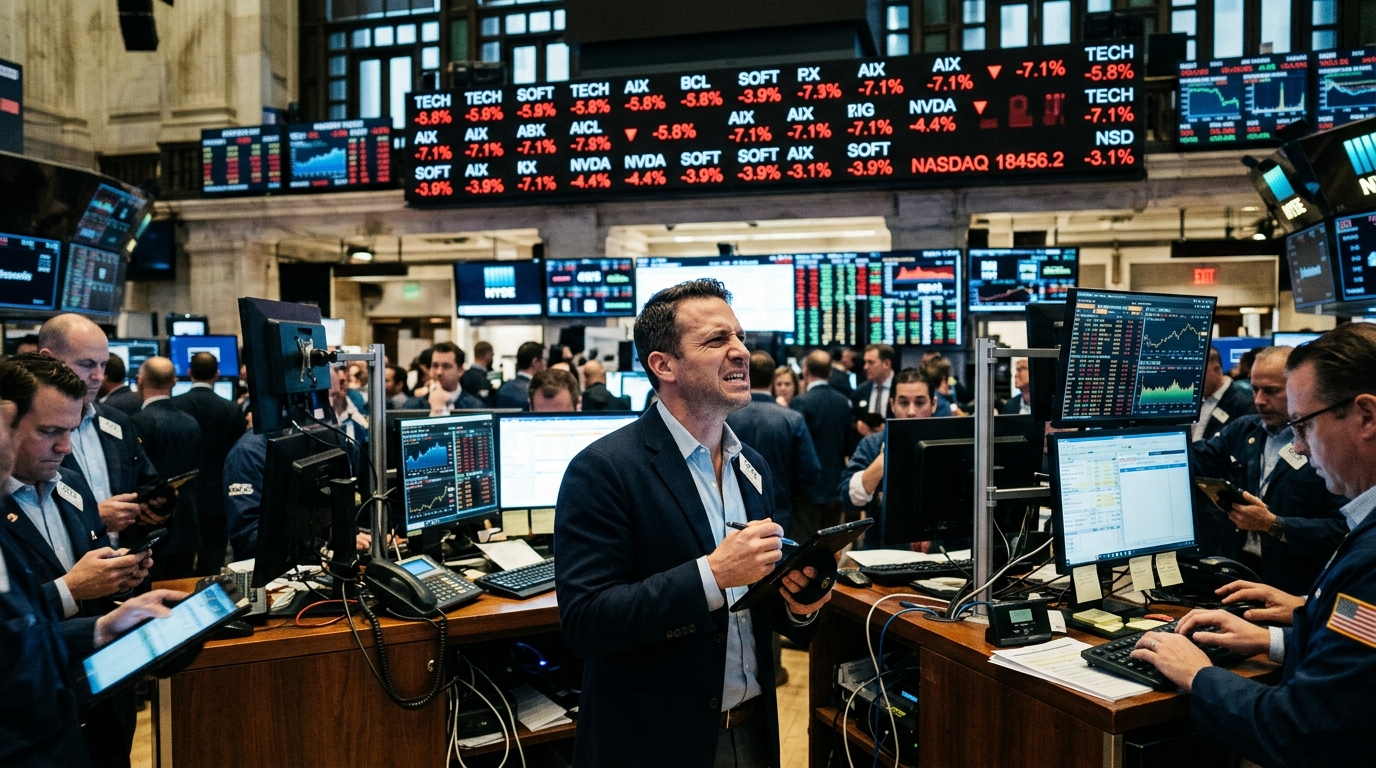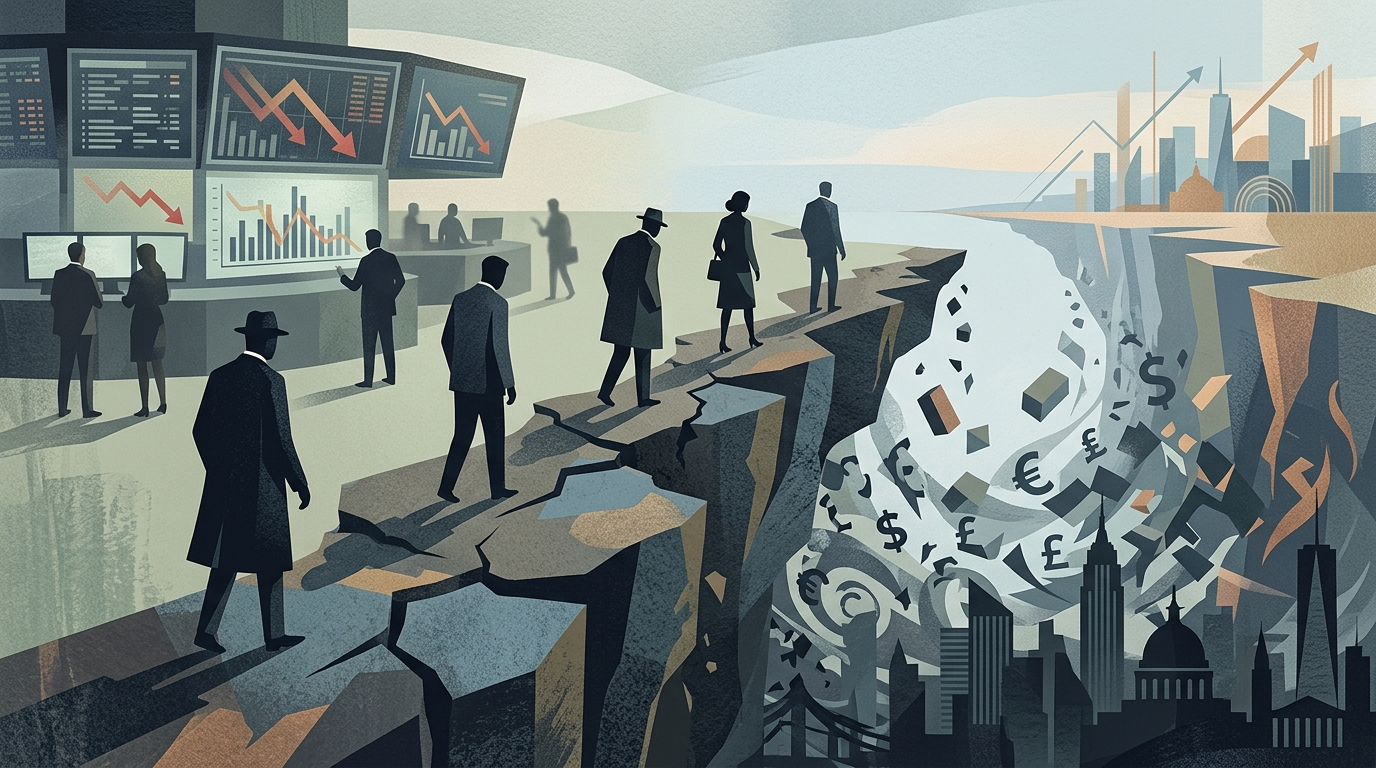
In the volatile economic landscape of April 2026, the voice of Scott Bessent, founder of Key Square Group and an influential economic advisor, resonates with an alarming intensity. His "urgent message" to the American public and policymakers is not merely a technical analysis of Wall Street indicators, but an existential warning about the future of American capitalism and the sustainability of the national debt. As the United States faces unprecedented levels of borrowing, Bessent argues that the time for half-measures has expired.
The 'Triple Threat' and the Three-Arrow Strategy
Bessent has formulated what he calls a "three-arrow strategy" to revitalize the American economy. The first arrow concerns energy sovereignty. According to him, unleashing the full potential of domestic energy production is not just a matter of national security but the fastest way to curb inflation. He argues that the cost of energy permeates every aspect of the supply chain, and the artificially restrictive policies of previous years have undermined U.S. competitiveness.
The second arrow is radical deregulation. Bessent describes the federal government as a "bureaucratic Leviathan" that stifles innovation. His position is that reducing the regulatory burden will free up capital currently spent on compliance, directing it toward productive investments. Finally, the third arrow—and perhaps the most controversial—is fiscal discipline through drastic cuts in government spending. With the national debt galloping, Bessent warns that the bond market could soon "revolt," leading to a spike in interest rates that would render the debt unserviceable.
The Debt Threat and Monetary Sovereignty
Bessent’s concern is centered on the loss of confidence in the dollar as the world’s reserve currency. In his analyses, he emphasizes that the reckless printing of money and the fiscal expansion observed in recent years have pushed the system to its limits. "We cannot borrow our way to prosperity," he frequently states, highlighting that future generations of Americans will be forced to pay the price for a "false sense of security" provided by current monetary policy.
- Debt accumulation now exceeds 120% of GDP, a level historically associated with economic stagnation.
- Debt interest payments threaten to surpass national defense spending.
- Geopolitical instability reinforces the need for a strong, domestic manufacturing base independent of hostile powers.
Bessent does not see the economy as detached from politics. He believes that economic weakness translates directly into geopolitical retreat. He warns that if the U.S. does not put its financial house in order, China and other emerging powers will rush to fill the power vacuum, imposing a new global economic standard that will not favor democratic values.
Social Implications and the Future of Work
Beyond the numbers, Bessent’s message has a strong social dimension. He argues that inflation is the "cruelest tax" on the working class, as it erodes the purchasing power of those who do not own assets like stocks or real estate. His proposal for supply-side economics aims to increase productivity, which, in his view, is the only sustainable path to increasing real wages.
"The American economy is a sleeping giant, bound by thousands of ropes of bureaucracy and debt. If we don't cut them now, the giant will never wake up again," he states pointedly.
In conclusion, Scott Bessent calls for a "national awakening." His message is urgent because he believes the window of opportunity for a smooth adjustment is closing fast. The alternative—a forced and chaotic deleveraging through a financial crisis—is a scenario the global economy cannot afford. The challenge for 2026 and beyond is whether political leadership will have the courage to implement the tough solutions Bessent proposes before the market itself imposes its own, far more painful, corrections.