In a move reminiscent of military mobilization on the global technological chessboard, Samsung Electronics and SK Hynix are set to announce a gargantuan investment program, expected to exceed hundreds of billions of dollars. The news, reported by Bloomberg and confirmed by sources in Seoul, marks a critical turning point for the semiconductor industry as demand for specialized Artificial Intelligence (AI) memory has outstripped all previous forecasts.
The War for High Bandwidth Memory (HBM)
The heart of this investment surge lies in HBM (High Bandwidth Memory) technology. While Nvidia's processors (GPUs) serve as the "brains" of AI systems, HBM memory is the "circulatory system" that allows data to flow at speeds necessary to train large language models. SK Hynix, which currently holds the lead in supplying Nvidia, plans to accelerate production of next-generation HBM4, while Samsung is striving to regain lost ground by investing in new production lines and advanced packaging methods.
Samsung's strategy is particularly aggressive. After a period of relative stagnation in the AI chip market, the group appears to be mobilizing its entire cash reserves to create an unprecedented "semiconductor ecosystem." The investment concerns not only the fabs in Pyeongtaek but also the expansion of research centers in the US and Europe, seeking closer collaboration with chip designers who want to move away from the exclusive dominance of TSMC.
Geopolitics and Korea's "Semiconductor Belt"
This move does not occur in a political vacuum. The South Korean government, under pressure from global competition and subsidies offered by the US (Chips Act) and China, has designated the Yongin area as the world's largest "semiconductor belt." The new investments by Samsung and SK Hynix form the backbone of this national plan, which aims to ensure the country's technological sovereignty until 2050.
- Creation of new production units using EUV (Extreme Ultraviolet lithography) technology.
- Development of domestic suppliers to reduce dependence on Japanese and European imports.
- Focus on "green" production, as the energy consumption of chip factories is a growing concern.
"This is no longer a simple business decision, but a matter of national survival in the digital age," says a market analyst in Seoul.
Challenges and the Risk of Oversupply
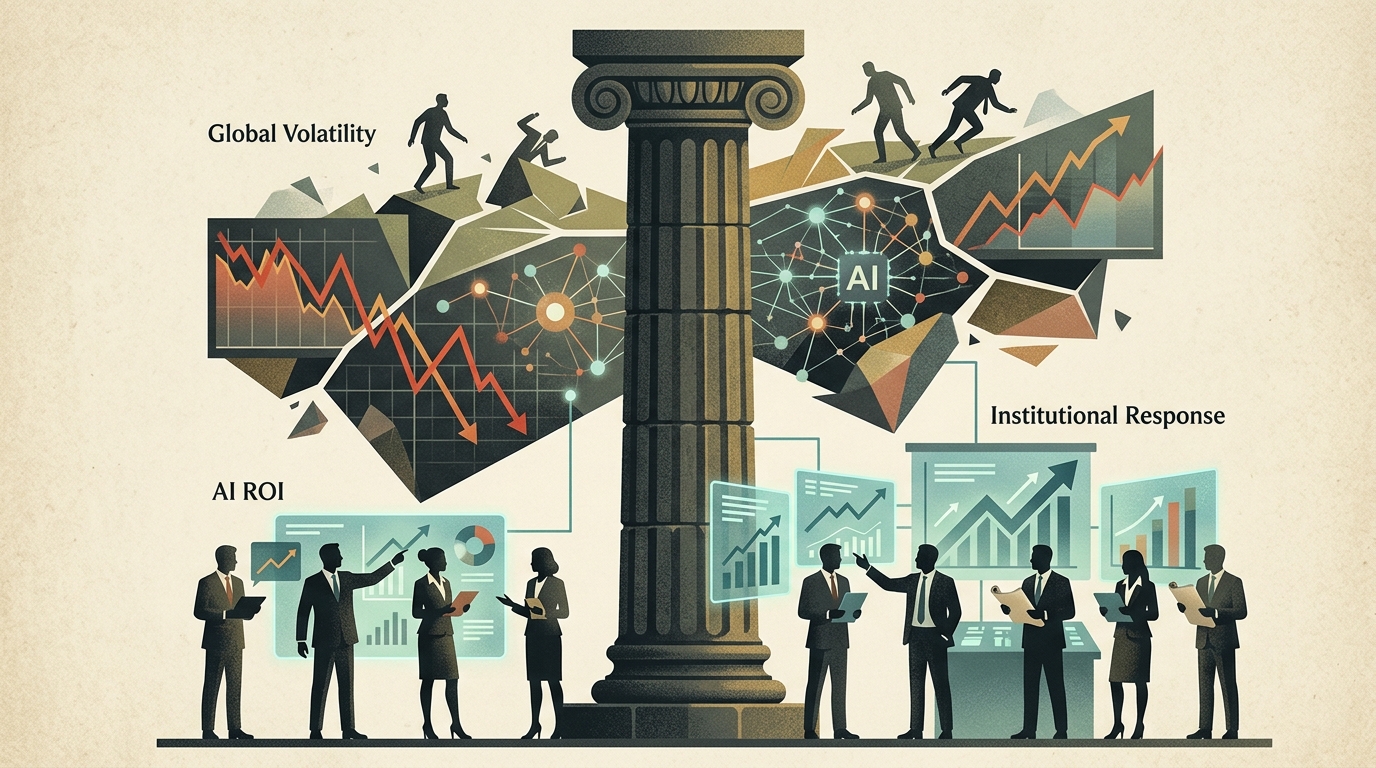
Despite the optimism, there are serious risks. The history of the semiconductor industry is fraught with "boom and bust" cycles. Such a massive increase in production capacity could lead to oversupply if the pace of AI adoption slows or if Big Tech companies begin to cut their cloud infrastructure spending. Furthermore, the shortage of skilled labor remains a thorn in the side of the two giants' ambitions, as competition for top engineers worldwide is relentless.
In conclusion, Monday is expected to be a historic day for the global economy. If the reports are confirmed, the scale of the investment will force competitors in the US and Taiwan to rethink their own plans, sparking a new arms race in the high-tech sector.