It is the summer of 2026, and the narrative surrounding Artificial Intelligence (AI) has shifted from unbridled euphoria to calculated skepticism. Markets, once intoxicated by the promises of generative AI, are now scrutinizing balance sheets with growing anxiety. Capital expenditures (Capex) of Big Tech firms have surged to levels reminiscent of the telecommunications infrastructure build-out in the late 1990s. However, for the discerning investor, this nervousness creates a unique entry point into the three pillars of the global digital economy: Microsoft, Alphabet, and Amazon.
The Spending Trap vs. Infrastructure Reality
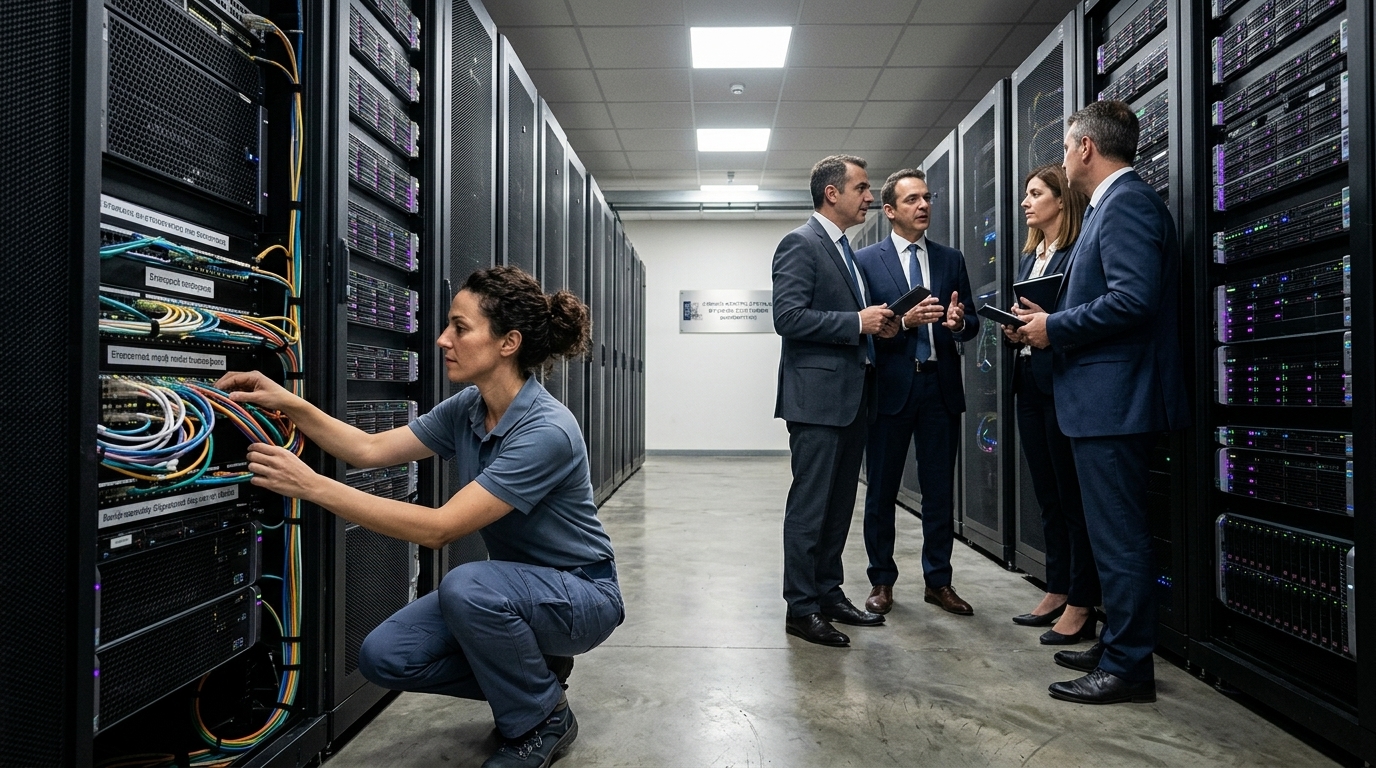
The primary source of concern for Wall Street is the sheer cost of participation. Building gargantuan data centers and procuring hundreds of thousands of advanced GPUs requires capital approaching hundreds of billions of dollars annually. Yet, there is a fundamental distinction between reckless spending and strategic investment. Microsoft, Alphabet, and Amazon are not merely buying technology; they are acquiring the "digital real estate" upon which every future application will reside.
These companies possess what is known as the "vertical advantage." They control everything from the silicon (increasingly using their own chip designs) to the operating system and the end-user application. This vertical integration allows them to absorb cost shocks far more effectively than any AI startup that relies on third-party infrastructure. For these giants, AI is not a feature; it is the new substrate of computing.
Microsoft: The King of Enterprise Integration
Microsoft remains the undisputed leader in commercializing AI. Through its strategic investment in OpenAI and the rapid integration of Copilot across the Office 365 ecosystem, it has transformed AI from a laboratory experiment into an essential productivity tool. Azure, the company’s cloud platform, continues to gain market share as enterprises prioritize the security, compliance, and scale that the Redmond-based giant offers.
The key for Microsoft is its subscription-based moat. Unlike companies reliant on volatile advertising revenue, Microsoft has locked its customers into long-term contracts. Raising prices through AI-enhanced features translates directly into higher Average Revenue Per User (ARPU), providing a clear and immediate path to justifying massive hardware investments. When you own the desktop of every corporate employee in the world, AI is a massive upsell opportunity.
Alphabet: Silent Dominance and Search Evolution
Many were quick to predict the demise of Google with the advent of conversational chatbots. Two years later, Alphabet is proving that Search is not dying—it is evolving. With the Gemini model deeply integrated into Google Search and YouTube, the company offers a user experience that competitors struggle to replicate at a scale of billions of users. The transition from a list of links to a synthesized answer engine has actually increased user engagement metrics.
Furthermore, Alphabet possesses a hidden weapon: its proprietary Tensor Processing Units (TPUs). While others are entirely dependent on Nvidia's supply chain and pricing, Google has been developing its own AI hardware for over a decade. This gives them a massive cost advantage in both training and inference, allowing them to run AI services at a fraction of the cost of their rivals.
Amazon: The Cloud That Powers the World
Amazon Web Services (AWS) remains the backbone of the internet. Despite fierce competition, AWS maintains the largest share of the cloud market, and its approach to AI is the most "democratic." Through its Bedrock platform, it allows businesses to choose from a variety of AI models, acting as the ultimate intermediary. Amazon isn't just betting on one model; it's betting on the entire ecosystem's need for compute power.
Amazon benefits twice from the AI revolution: first, as the premier infrastructure provider, and second, as its own best customer. The use of AI in its logistics and supply chain operations has reduced operational costs to levels that allow the company to fund cloud expansion without squeezing profit margins. In the world of AI, Amazon is both the factory and the delivery truck.
Conclusion: The Long-Term Perspective
Market nervousness regarding AI spending is understandable but perhaps short-sighted. For Microsoft, Alphabet, and Amazon, these outlays are not expenses—they are the insurance policy for their dominance over the next twenty years. Just as the massive fiber-optic investments of the early 2000s built the empire of today's internet, today's data centers are the foundations of tomorrow's intelligence economy. Investors who can look past the next fiscal quarter will find that these three giants are the only entities with the scale, capital, and talent to emerge as the ultimate victors of the AI arms race.