In the high-stakes arena of Artificial Intelligence, where headlines are dominated by sophisticated Large Language Models and powerhouse Graphics Processing Units (GPUs), a quiet but critical crisis is unfolding backstage. This is the shortage of Multilayer Ceramic Capacitors (MLCCs)—the "unsung heroes" of modern electronics that regulate the flow of electricity within every circuit board. As we move into mid-2026, the industry faces a structural imbalance: AI server demand has catapulted the need for specialized capacitors to levels that manufacturers are struggling to meet.
The Role of MLCCs in the AI Era
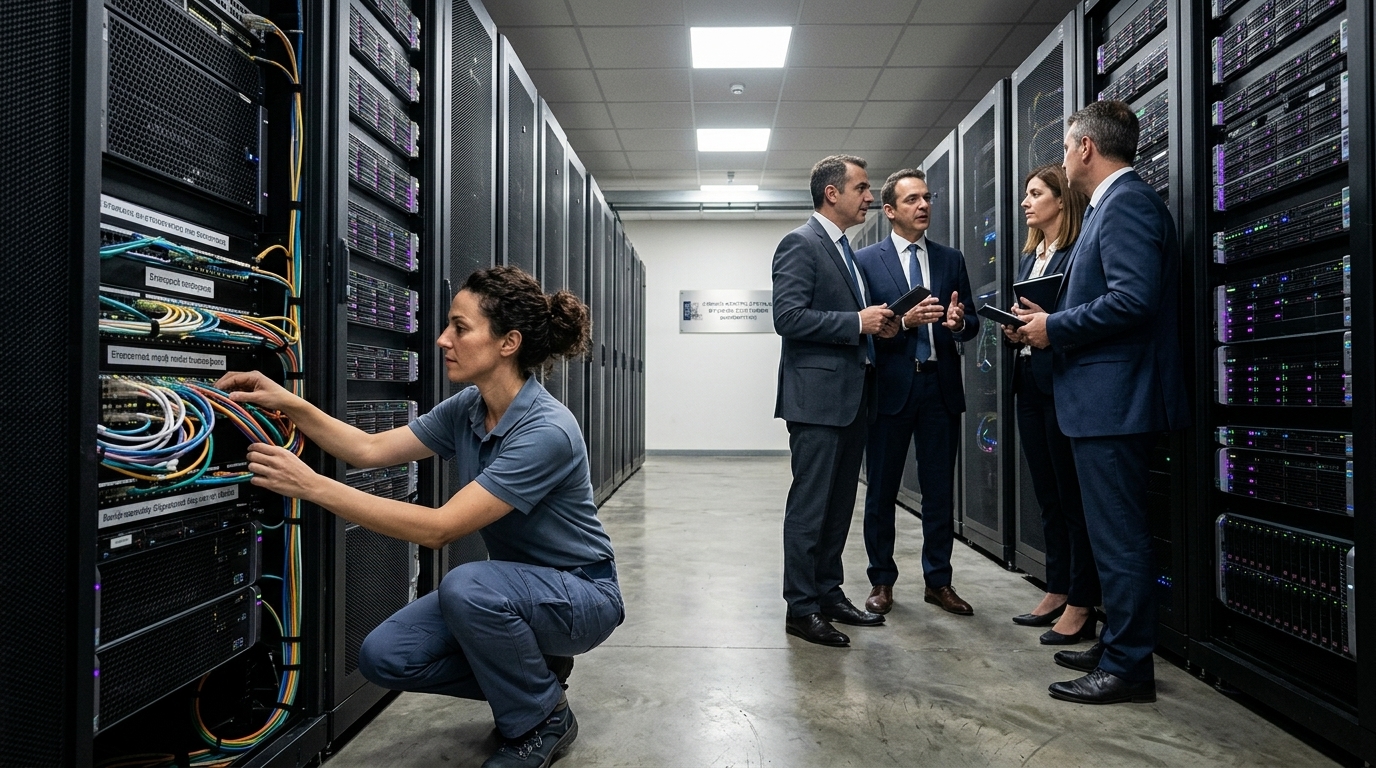
MLCCs are essential for voltage stabilization and noise filtering in electronic circuits. While a typical smartphone contains about 1,000 of these capacitors, a high-end AI server requires over 10,000, and these must be of significantly higher durability and capacitance. The transition from traditional computing to AI-driven workloads is not just a quantitative change but a qualitative shift, requiring components capable of withstanding extreme temperatures and continuous operational stress.
According to recent reports from the South China market, lead times for high-end MLCCs have doubled over the last six months. Major industry players, such as Japan’s Murata Manufacturing and South Korea’s Samsung Electro-Mechanics, are redirecting their production lines from consumer electronics (smartphones, laptops) toward the data center and Electric Vehicle (EV) sectors, leaving gaps in other market segments.
The Geopolitics of Ceramics
This crisis is not merely technical; it is deeply geopolitical. Japan holds approximately 50% of the global MLCC market, with Murata regarded as the undisputed leader. China, on the other hand, is desperately trying to reduce its reliance on imports by boosting domestic players like Chaozhou Three-Circle. However, the expertise required to manufacture ceramic layers thinner than a single micrometer is notoriously difficult to replicate.
Analysts point out that the current bottleneck is driven by the unexpectedly rapid adoption of AI PCs and AI smartphones. These "next-gen" devices require 20% to 30% more MLCCs compared to their predecessors. This cumulative demand from the consumer base, combined with the insatiable thirst of hyperscalers like Microsoft, Google, and Meta for AI servers, has created a "perfect storm" in the supply chain.
Economic Implications and Future Outlook
For tech companies, the cost of MLCCs, though small per unit, is beginning to impact profit margins due to the sheer volume required. Furthermore, the shortage is leading to "double booking" phenomena, where device manufacturers order more than they need to secure inventory, further distorting the true demand picture.
"It's no longer about whether you have the best processor, but whether you can find the capacitors to power it," says a supply chain executive from Shenzhen.
Solving the problem is not straightforward. Building a new MLCC production facility requires billions of dollars and at least two years to reach full capacity. Until then, the industry will have to navigate these shortages by prioritizing high-margin products. This implies that budget electronics may face delays or price hikes as critical components are "captured" by AI giants.