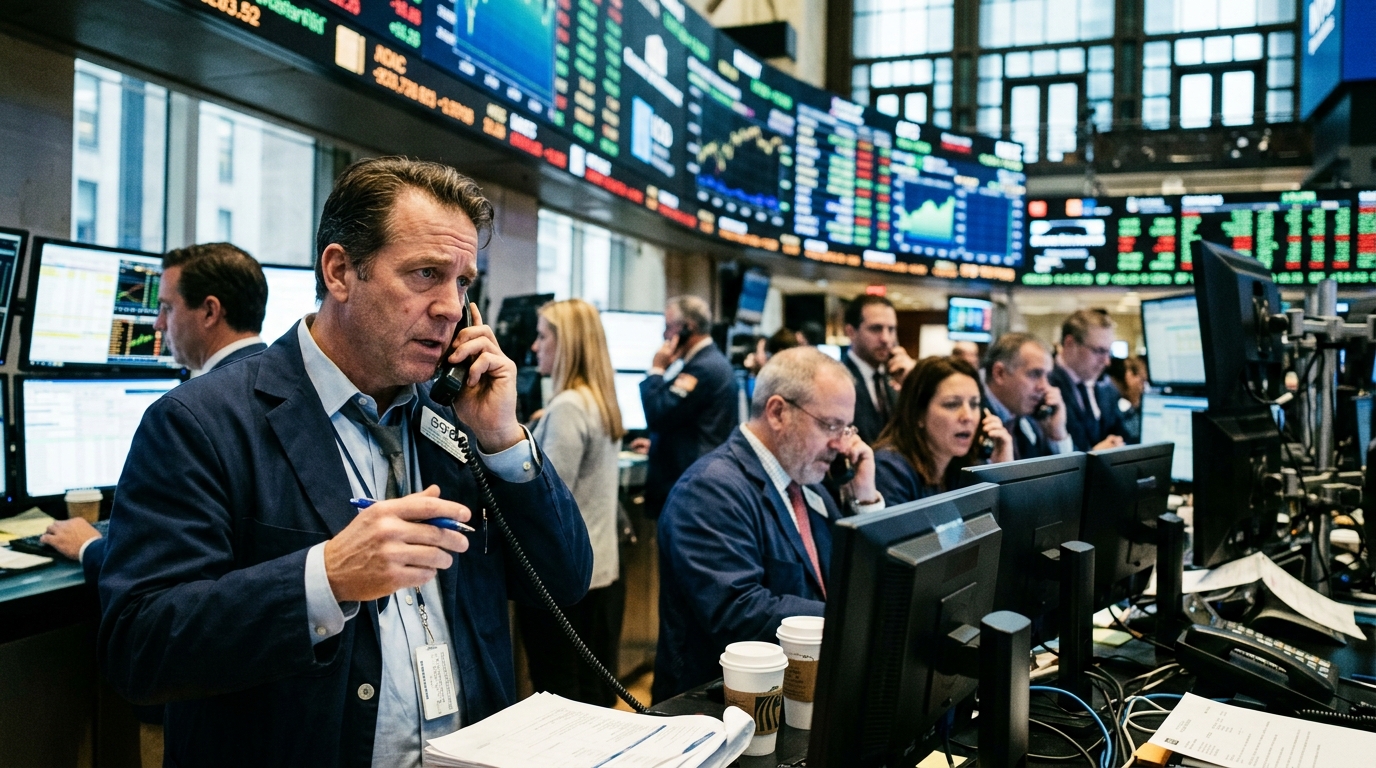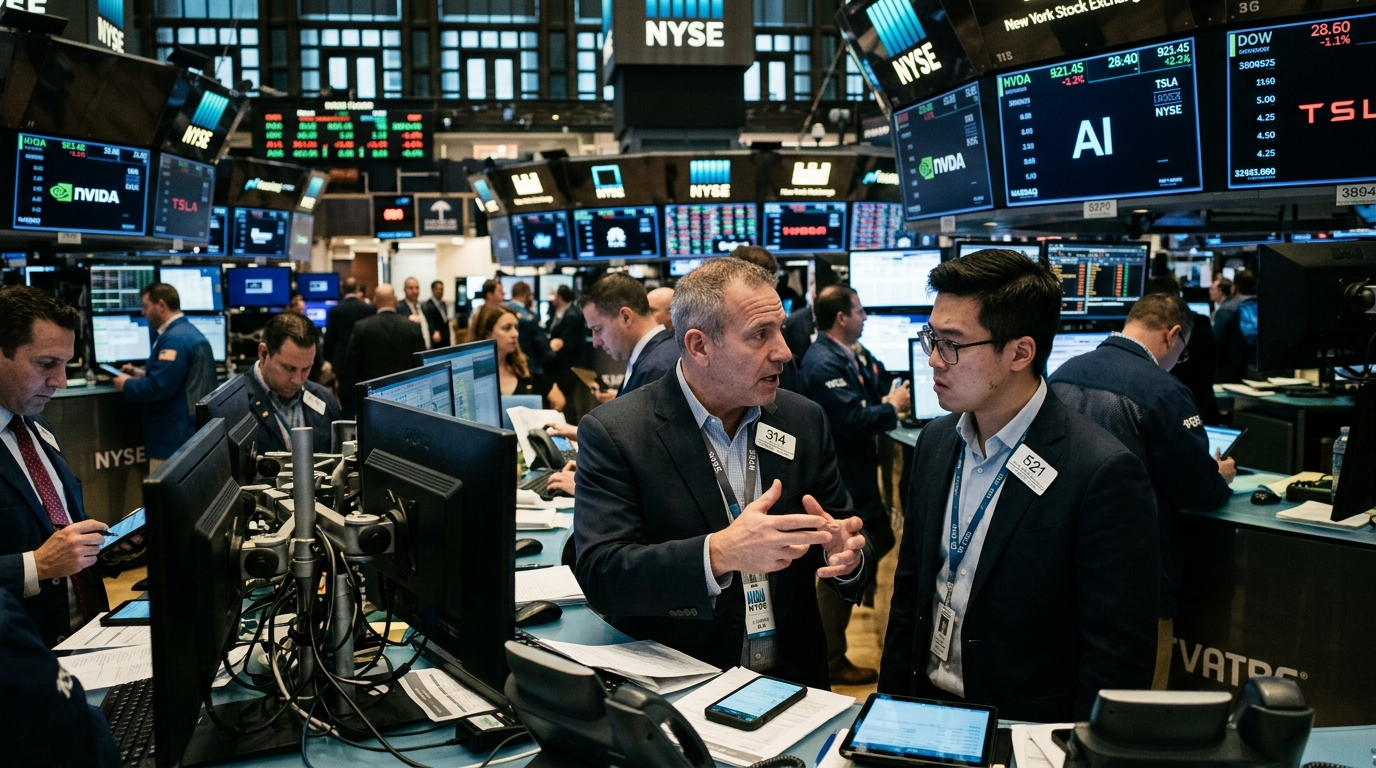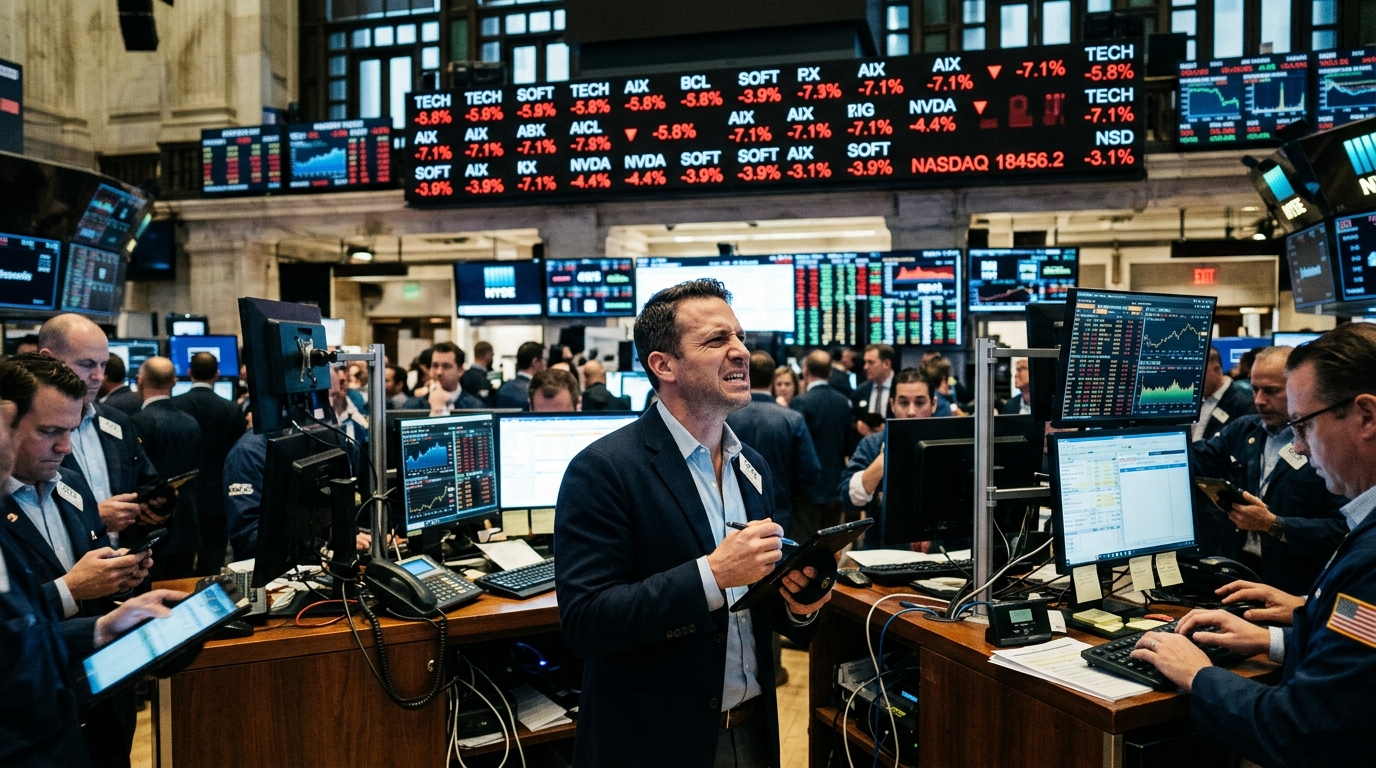
As we navigate May 2026, the stock market appears to be locked in a cycle of self-fulfilling optimism. Artificial Intelligence (AI), which three years ago was a promising niche technology, has evolved into the ultimate arbiter of global capital markets. However, Jessica Noviskis, OCIO portfolio strategist at Marquette Associates, is sounding the alarm: investors are pricing in only the best-case scenarios, while pointedly ignoring the darker dimensions of this rapid expansion.
The Trap of 'Priced for Perfection'
Current market dynamics bear a striking resemblance to historical periods of 'irrational exuberance' that ended in sharp corrections. Noviskis points out that robust corporate earnings, particularly in the semiconductor and cloud infrastructure sectors, have created a convenient smokescreen. Investors witness the billions flowing into the coffers of giants like Nvidia and Microsoft and assume this growth is both linear and perpetual.
According to Marquette Associates' analysis, the market is 'pricing for perfection.' This implies that current valuations assume no supply chain disruptions, a magical solution to energy demands, and a regulatory environment that remains perpetually friendly to Big Tech. This is a hazardous assumption in a world defined by geopolitical instability and an ongoing energy transition.
The Invisible Risks: Energy and ROI Lag
One of the most significant risks the market chooses to overlook is the escalating cost of energy. Running next-generation AI models requires staggering amounts of electricity. As power grids in the US and Europe are pushed to their breaking points, the operational costs of data centers are expected to surge, potentially squeezing the profit margins that are currently taken for granted.
Furthermore, there is the issue of the 'last mile' of implementation. While corporations are frantically purchasing hardware, integrating AI into daily business processes in a way that generates real Return on Investment (ROI) is lagging. "We are seeing massive Capital Expenditure (CapEx), but the conversion of that spending into operational profitability for the end-user is not yet guaranteed," Noviskis notes.
- Hyper-concentration of capital in a few tech stocks increases systemic risk.
- Delays in AI investment returns could trigger massive liquidations.
- Geopolitical tensions surrounding chip manufacturing remain a 'ticking time bomb.'
Market Psychology and the Road Ahead
Why, then, do investors continue to buy? The answer lies in the Fear Of Missing Out (FOMO). In an environment where AI is hailed as the new 'Industrial Revolution,' no fund manager wants to be sidelined, even if P/E (Price-to-Earnings) ratios are reminiscent of the dot-com era. Noviskis argues for a more balanced approach that accounts for a potential 'trough of disillusionment' before the technology fully matures.
"We aren't questioning the power of the technology, but rather the market's ability to remain rational in the face of excess," the strategist concludes.
In conclusion, the current market surge is a vote of confidence in the future that lacks a realistic assessment of the hurdles. For the prudent investor, the strategy for 2026 should not be blindly following the trend, but rather preparing for the moment when the market is forced to confront the reality of the risks it currently chooses to ignore.