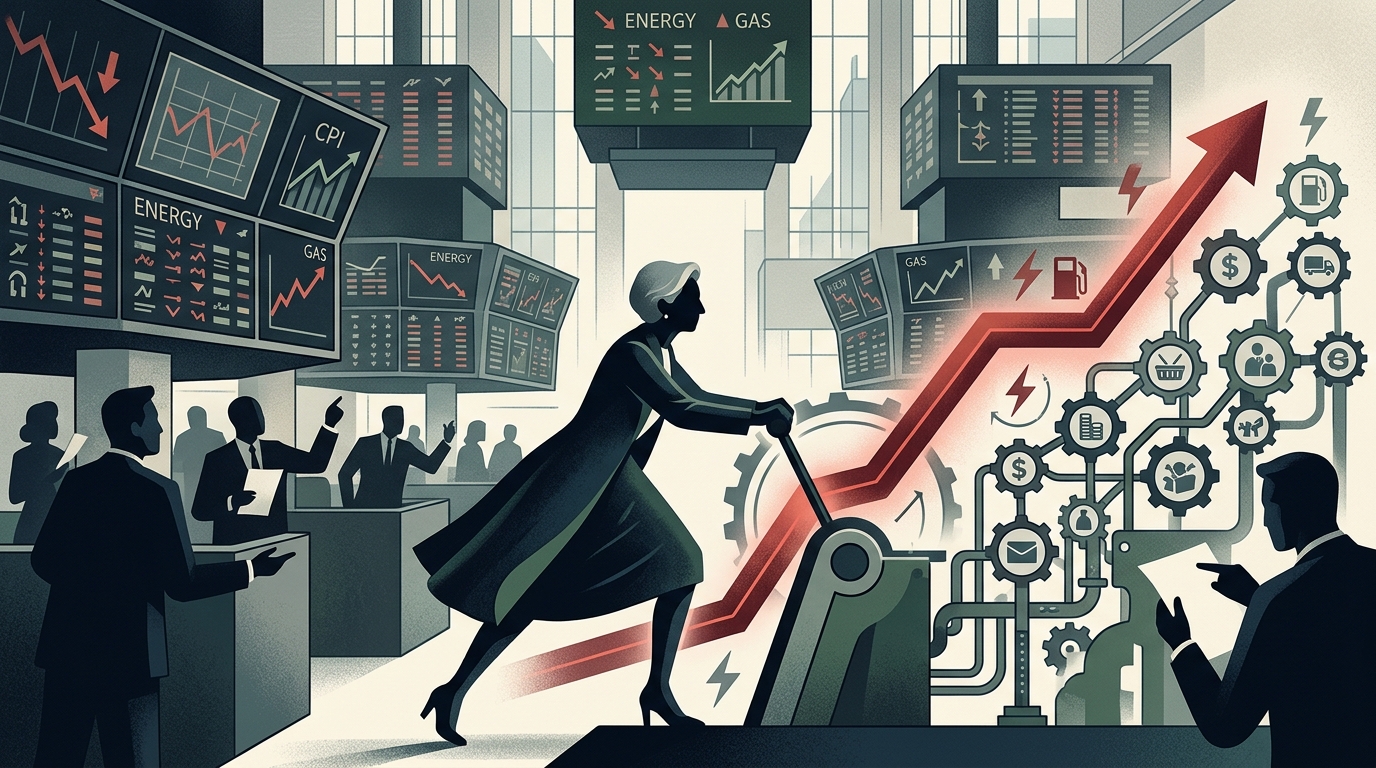
The President of the European Central Bank, Christine Lagarde, does not usually resort to violent metaphors. However, her recent assertion that "we must kill inflation" reflects a new, more aggressive reality in Frankfurt. The ECB's analysis reveals that energy price hikes are no longer an isolated shock but a virus that has mutated and spread throughout the Eurozone's economic body, affecting everything from food production costs to service prices.
The Contagion Mechanism: From Energy to Retail Shelves
For a long time, economists hoped that inflation would remain "transitory," limited to the fluctuations of oil and natural gas. Reality, however, proved otherwise. Lagarde points out that energy costs have "permeated" the economy through so-called second-round effects. When a plastics industry or a neighborhood bakery faces a tripling of electricity bills, that increase is inevitably passed on to the end consumer.
What particularly worries the ECB is the permanence of these increases. While wholesale energy prices may recede, the prices of finished goods rarely follow the same downward path. This downward price rigidity creates a structural inflation that is far more difficult to combat than a simple supply shock.
The Strategy of "Killing" Inflation
Lagarde's use of the word "kill" is not accidental. It is aimed at managing expectations. If businesses and workers believe that inflation will remain high, they will adjust their prices and wage demands accordingly, creating a self-fulfilling cycle. The ECB wants to send a clear message: it will do whatever it takes—even if that means inducing a controlled recession—to bring inflation back to its 2% target.
- Interest rate hikes remain the primary tool, despite pushback from highly indebted Southern European nations.
- The withdrawal of liquidity from the system (Quantitative Tightening) is accelerating.
- The ECB is closely monitoring corporate profit margins, suggesting that "greedflation" is contributing to the persistence of high prices.
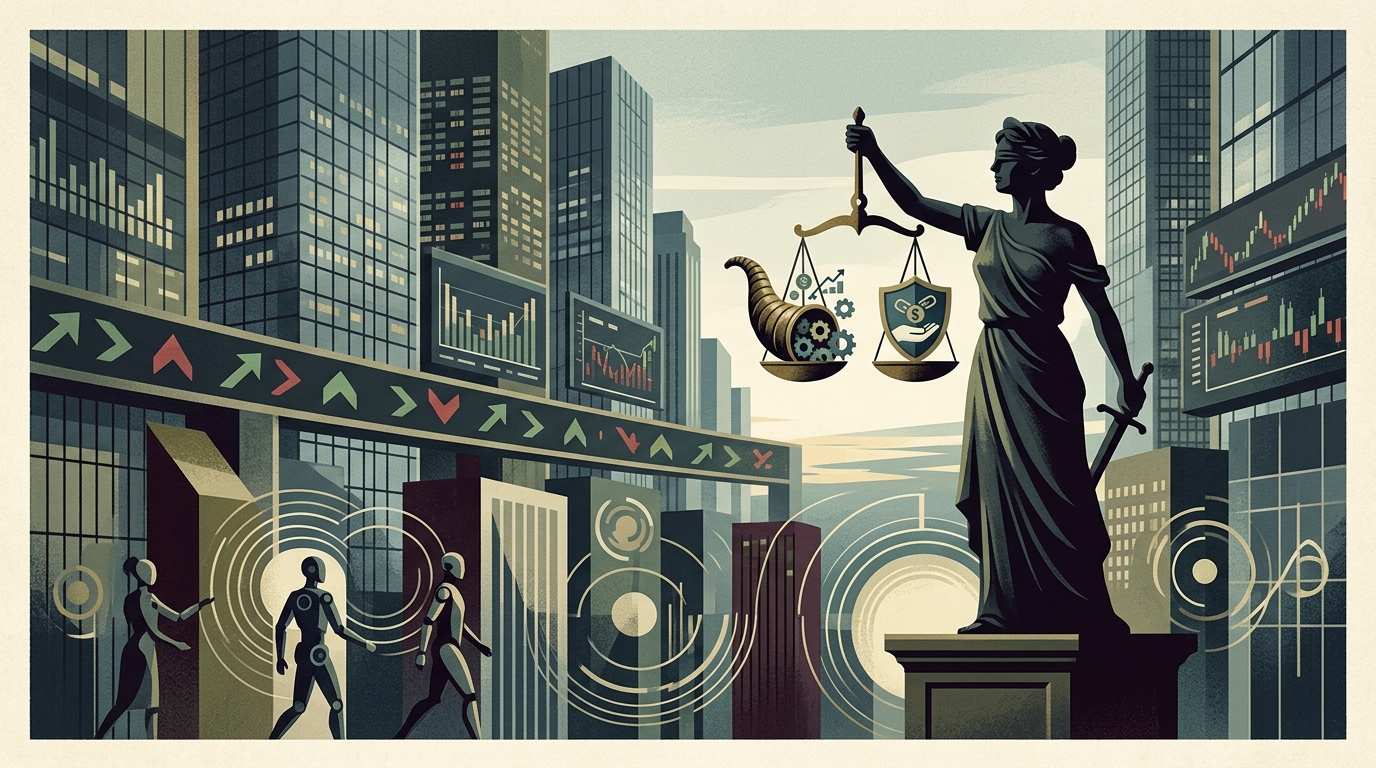
The challenge for Lagarde is the balance. An overly aggressive policy risks causing credit suffocation, especially in economies like Greece or Italy, where borrowing costs are already high. However, inaction is considered even more dangerous, as it could lead to stagflation that would keep Europe in a quagmire for a decade.
Social Dimensions and the Road Ahead
Behind the figures and interest rates lies a harsh social reality. Inflation is the most unfair tax, as it disproportionately affects low-income households that spend the bulk of their budget on energy and food. Lagarde acknowledges that monetary policy is a "blunt" instrument that cannot perform social policy. That role belongs to governments, which are called upon to support the vulnerable without further fueling inflation through excessive deficits.
"Price stability is the foundation for any sustainable growth. Without it, investment freezes and social cohesion erodes," the ECB President emphasizes.
In conclusion, Europe stands at a critical crossroads. The energy crisis has acted as a catalyst for a deeper economic restructuring. The fight against inflation is not merely a technocratic exercise but an effort to save the purchasing power of European citizens in a world that is becoming increasingly expensive and uncertain.