The President of the European Central Bank, Christine Lagarde, is not known for using alarmist language without due cause. However, her recent intervention regarding the integration of Artificial Intelligence (AI) into the global financial system has resonated as a high-decibel warning across Eurozone capitals. As we move through 2026, AI is no longer a futuristic promise but the backbone of trading, risk management, and credit scoring. Lagarde argues that this rapid adoption may harbor "black holes" that threaten the stability of the entire financial edifice.
The Trap of Algorithmic Herd Behavior
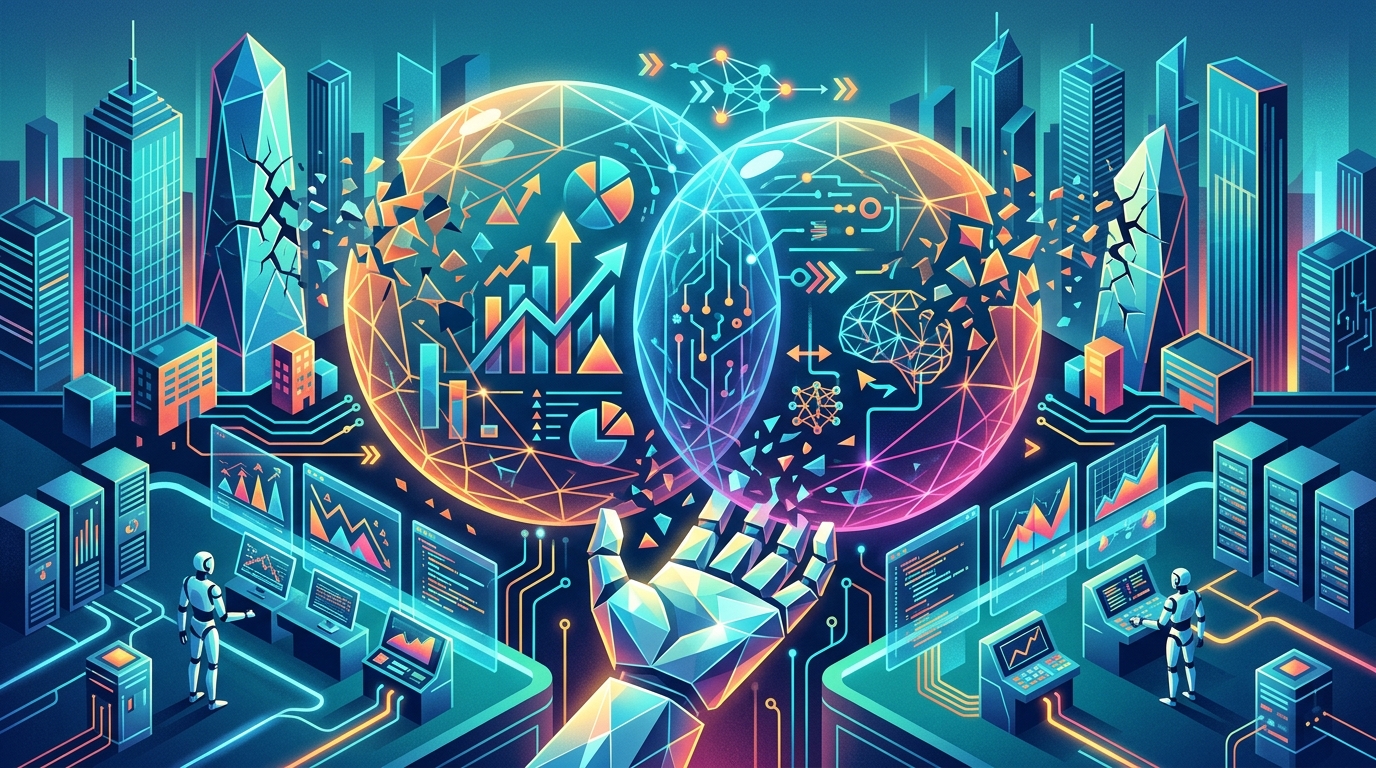
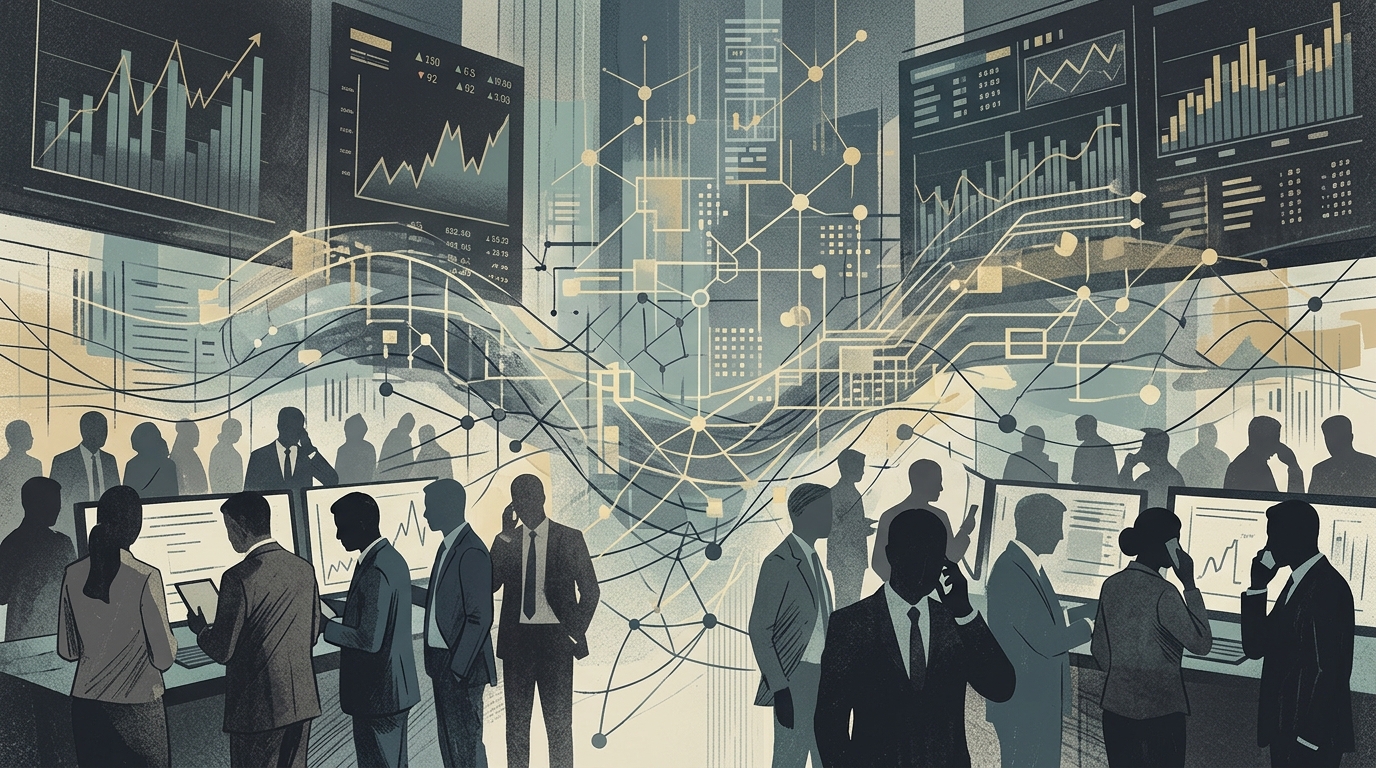
One of the primary fears expressed by the ECB chief concerns "herding behavior" triggered by algorithms. When most banks and investment firms utilize the same generative AI models to make decisions, there is a risk they will react simultaneously and identically to a market shock. This could transform a minor correction into an uncontrollable collapse, as systems execute mass sell-offs in fractions of a second, outstripping the ability of human regulators to intervene.
Lagarde emphasized that the lack of transparency in AI "black boxes" makes predicting these phenomena difficult. If algorithms are trained on similar datasets, the correlations they create may be artificial, leading to an illusion of safety until the system buckles under the weight of its own automation.
Oligopolistic Dependence on Big Tech
Another critical dimension highlighted by the ECB President is the concentration of infrastructure. Financial institutions do not develop their own models from scratch; they rely on a handful of cloud providers and specialized AI model developers, predominantly based in the US. This dependence creates a "systemic node of failure." If one of these few providers experiences a technical failure or falls victim to a cyberattack, the consequences would instantly spill over into the entire European banking system.
"Financial stability requires not only healthy banks but also resilient technological infrastructures that are not controlled by a handful of companies outside our jurisdiction," she noted pointedly.
Cybersecurity and the Speed of Contagion
AI is not just a defensive tool but also a weapon in the hands of malicious actors. Lagarde warned that AI-driven attacks could bypass traditional security systems, creating sophisticated deepfakes capable of triggering bank runs. In a world where information travels instantly, AI's ability to construct convincing falsehoods can destabilize a bank within hours.
Furthermore, the speed at which AI executes transactions means that liquidity crises will evolve much faster than in the past. Central banks may not have the time to react with their traditional tools if a crisis concludes in seconds rather than days.
The Need for a New Regulatory Architecture
Concluding her analysis, Lagarde called for stricter oversight that goes beyond the limits of the existing EU AI Act. She proposed the creation of specific "AI stress tests," where banks must prove that their models do not collapse under extreme scenarios. The challenge for the ECB is to find the golden mean: to allow innovation that boosts productivity while ensuring that the algorithm's "invisible hand" does not become the fist that topples the economy.
- Developing domestic European AI infrastructure to reduce dependency.
- Enforcing transparency in decision-making processes of algorithmic models.
- Continuous market monitoring for signs of systemic uniformity.
- Strengthening cyber-defense through the use of "adversarial AI."