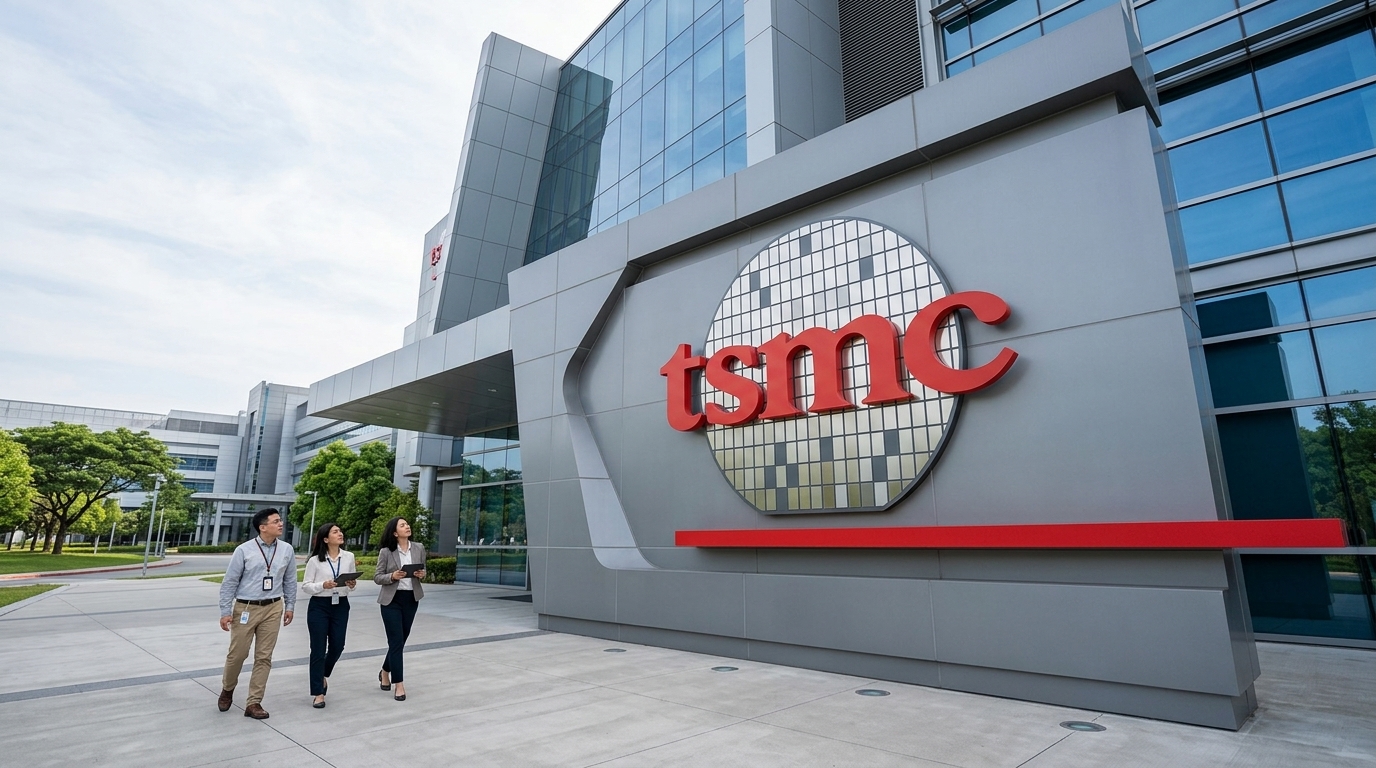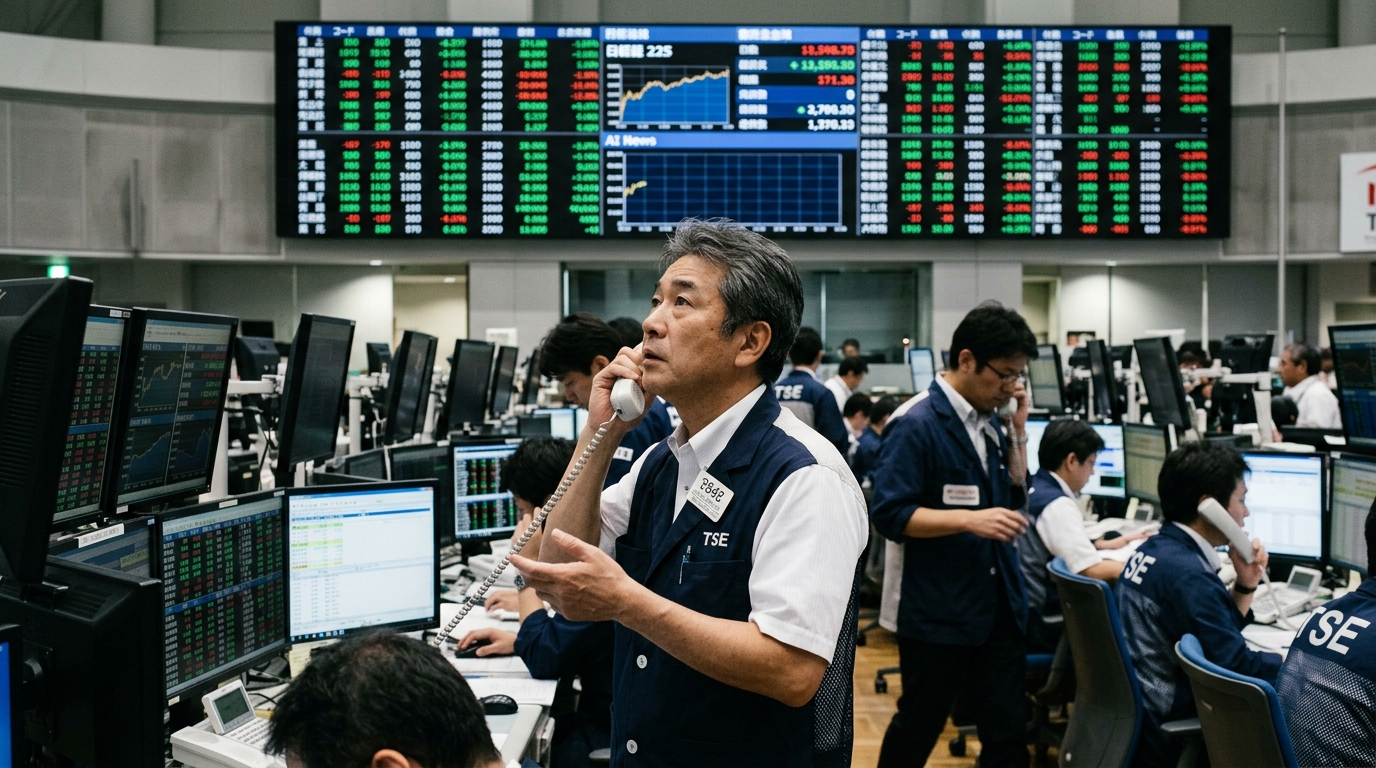
Tokyo is witnessing a seismic shift in its corporate hierarchy as "Japan Inc." reshapes itself around the axis of Artificial Intelligence (AI). As we move through June 2026, the traditional giants of automotive and heavy industry, which once formed the backbone of the Japanese economy, are yielding ground to a new generation of technological powerhouses. However, this rapid ascent does not come without warnings. For veteran market analysts, the current climate is a vivid reminder of the glory days and subsequent collapse of the dot-com bubble in the late 1990s.
The New Order on the Tokyo Stock Exchange
The recent reshuffling of the Nikkei 225 and Topix indices reveals a striking reality: semiconductor-related firms and AI infrastructure providers now dominate market capitalizations. SoftBank Group, led by Masayoshi Son, has returned to the spotlight, fueled by the explosive success of Arm Holdings and aggressive investments in data centers. Meanwhile, companies like Tokyo Electron and Advantest have seen their shares skyrocket as global demand for AI chips remains insatiable.
This shift is more than just a change on exchange boards. It represents a profound transformation in Japanese economic strategy. The government, through the Rapidus program and massive subsidies, is attempting to thrust Japan back to the forefront of the global tech scene. However, the speed at which valuations are rising is dizzying. When price-to-earnings (P/E) ratios reach levels not seen since 2000, the question is not whether a bubble exists, but how large it has become.
Echoes of 2000: History Repeating Itself?
The comparison to the dot-com bubble is inevitable. Then, as now, the promise of a world-changing technology led to investment mania. In Japan, that era was marked by the rise of companies promising "digital transformation" without necessarily having sustainable business models. The ensuing crash was painful, leading to a "lost decade" for many tech stocks.
Today, AI proponents argue that the situation is different. They point out that, unlike in 2000, today's market leaders have real revenues and profits. Tokyo Electron, for instance, produces equipment essential for every semiconductor fab in the world. Nevertheless, skepticism remains. The reliance on future optimism rather than current fundamentals is the hallmark of any speculative mania. Analysts warn that if AI adoption by enterprises fails to yield the expected productivity gains soon, the correction will be violent.
"History doesn't repeat itself, but it often rhymes. We are seeing the same euphoria we saw 25 years ago, but this time the stakes are geopolitical," says a senior analyst in Tokyo.
The Role of Corporate Governance and the Yen
One factor differentiating the current situation is the reform of corporate governance in Japan. The Tokyo Stock Exchange (TSE) has been pushing companies to improve their return on equity (ROE) and return value to shareholders. This has attracted foreign investors, including Warren Buffett, who view Japan as a stable alternative to the volatile Chinese market.
Furthermore, the continued weakness of the Yen has made Japanese tech exporters extremely competitive. However, this is a double-edged sword. If the Bank of Japan (BoJ) decides to raise interest rates more aggressively to support the currency, borrowing costs for growth-oriented tech firms will rise, putting pressure on their valuations. The balance is delicate, and "Japan Inc." stands at a crossroads that will define its economic destiny for decades to be.
Conclusions for the Future
As the dust from the recent reshuffling begins to settle, it is clear that Japan is no longer the land of "old industries." It is a living laboratory for the application of AI at an industrial scale. If companies can translate the current market euphoria into real economic value, then the memories of the dot-com bubble will remain merely a lesson from the past. If, however, the rise is built solely on hope, the Japanese market may face a hard landing reminiscent of the darkest days of 2000.