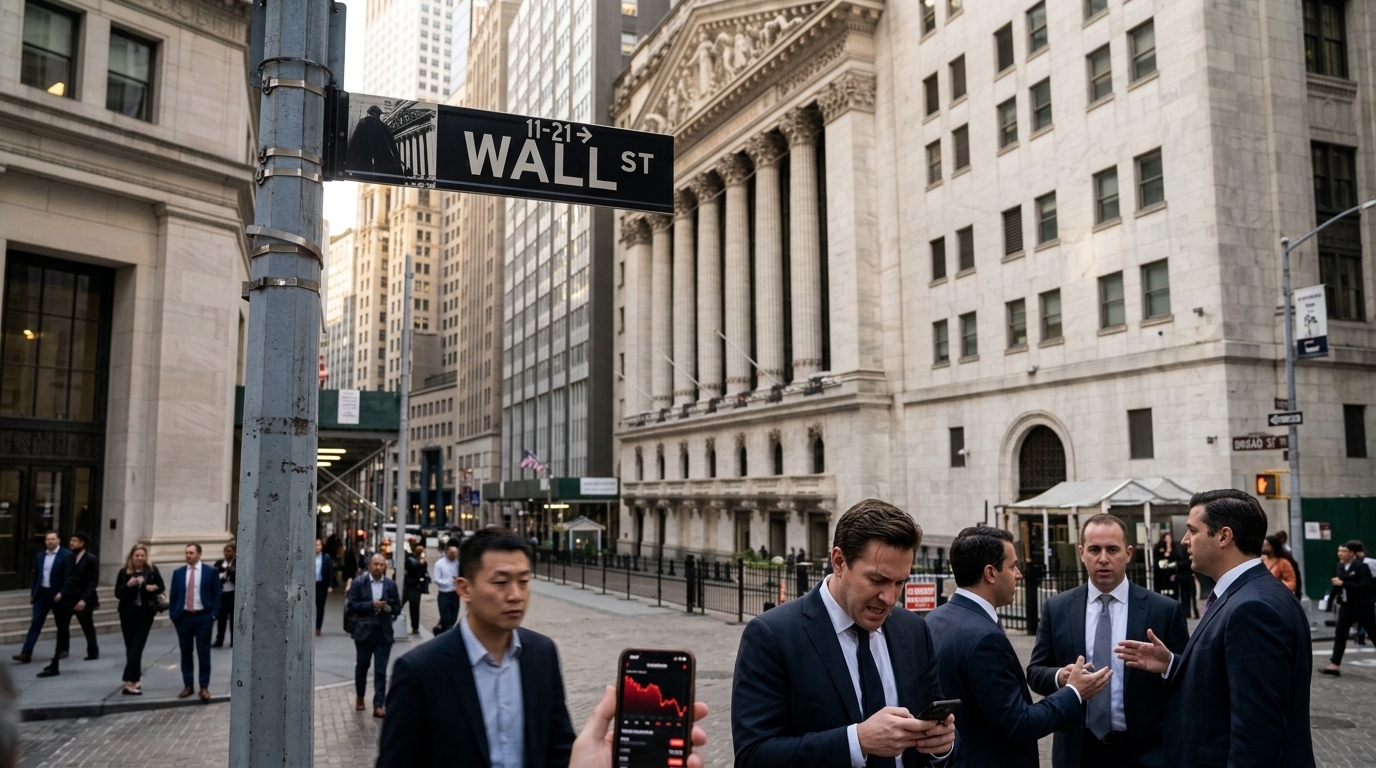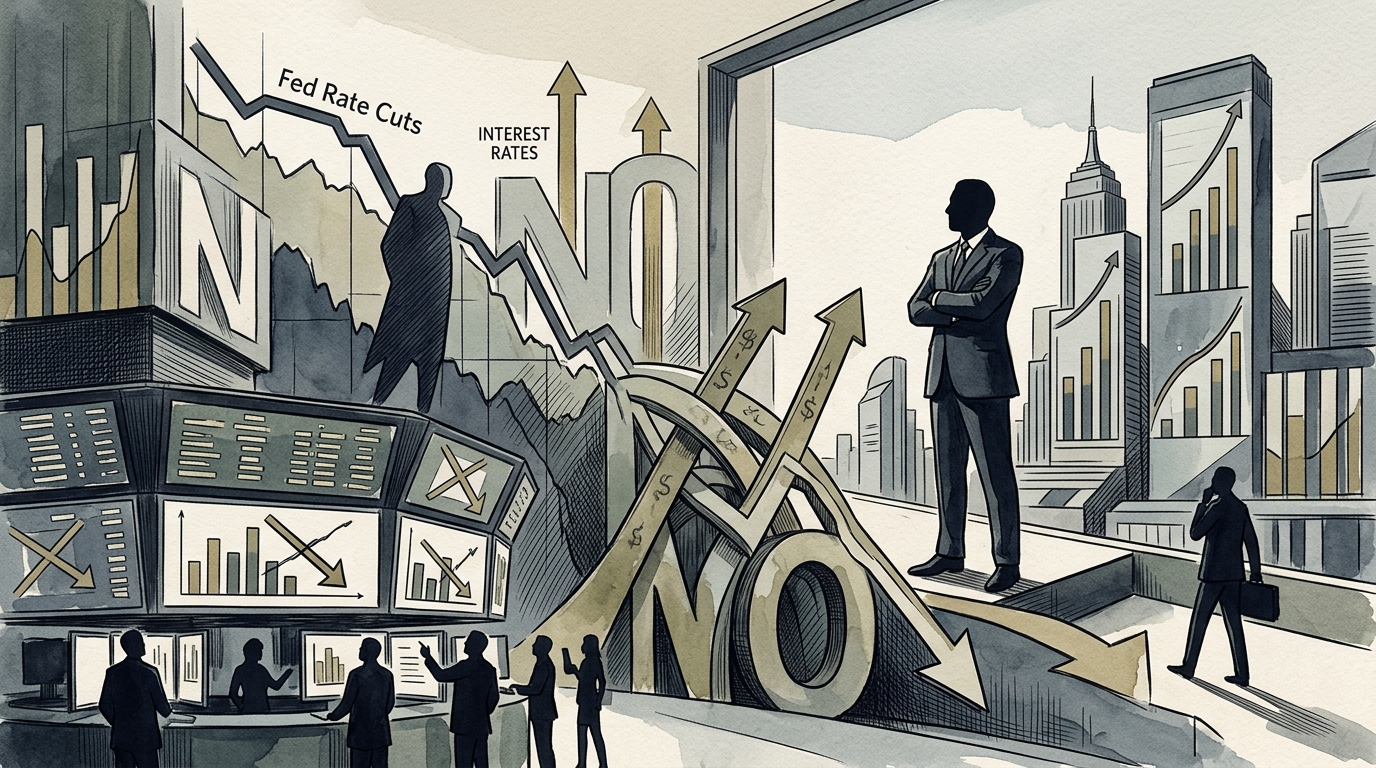
The confirmation of Kevin Warsh as the new Chair of the Federal Reserve marks a pivotal shift in global monetary leadership, yet the reception from bond markets has been anything but celebratory. Jeffrey Gundlach, CEO of DoubleLine Capital and the widely respected 'Bond King,' has delivered a stark reality check to investor expectations, categorically stating that interest rate cuts are simply 'not possible' in the current economic climate.
According to Gundlach, Warsh is inheriting a landscape defined by structural inflationary pressures and a fiscal deficit that refuses to be tamed. His analysis suggests that Wall Street’s hopes for a return to cheap money in 2026 are not just overly optimistic, but fundamentally detached from the mathematical realities of the U.S. economy.
The Warsh Challenge: A Treacherous Inheritance
Kevin Warsh takes the helm of the Fed at a moment when the central bank is walking a razor-thin tightrope. Following Jerome Powell’s lengthy tenure, the transition to Warsh was viewed by many as a move toward a more 'hawkish' stance, given Warsh’s historical criticism of excessive monetary expansion. However, Gundlach points out that the issue isn't the individual, but the environment.
"Warsh is coming in at a very rough time," Gundlach remarked during a recent market outlook call. "It’s not a matter of personal will. It’s a matter of the data. When you have inflation that remains stubbornly above the 2% target and a labor market that, despite pressures, isn't collapsing, cutting rates would be equivalent to throwing gasoline on a fire." Gundlach’s analysis focuses on the fact that service-sector prices and housing costs continue to fuel the Consumer Price Index (CPI), making any thought of policy easing a direct threat to the Fed's hard-won credibility.
Fiscal Dominance as a Policy Anchor
One of Gundlach’s primary arguments concerns U.S. fiscal policy. With the national debt surging and the deficit remaining at levels typically seen only during deep recessions, the Federal Reserve finds itself boxed in. The government continues to spend at a record pace, forcing the central bank to maintain high rates to absorb liquidity and prevent a total debasement of the currency.
- Service inflation remains the single most significant obstacle for Fed policymakers.
- The 10-year Treasury yield reflects deep-seated concerns about long-term fiscal stability.
- Fiscal dominance—where government spending dictates monetary needs—is limiting the Fed’s room to maneuver.
Gundlach argues that if the Fed were to pivot to rate cuts now, the U.S. dollar would face immediate downward pressure and inflation expectations would skyrocket. This would lead to even higher yields on long-term bonds—effectively raising borrowing costs for corporations and households and nullifying any perceived benefit from lowering short-term rates.
The Illusion of the 'Soft Landing'
Throughout much of 2025, the narrative of a 'soft landing' dominated financial discourse. The idea was that the Fed could bring down inflation without triggering a recession. However, Gundlach remains deeply skeptical. He believes the economy is entering a phase of 'stagflationary fatigue,' where growth is slowing but prices are not following a symmetrical downward path.
"Markets have become addicted to the idea that the Fed will always rescue them with rate cuts at the first sign of trouble. That 'Fed Put' has expired," Gundlach asserts.
In this context, Kevin Warsh is tasked with managing investor disappointment. His legacy may not be defined by the cuts he implemented, but by the resolve with which he maintained high rates despite mounting political pressure. As the cost of servicing U.S. debt now exceeds defense spending, the Fed's independence will be tested like never before. The cycle of debt and inflation creates a feedback loop that only genuine economic discipline—and a period of sustained high rates—can potentially break.