Global shipping, the silent backbone of the world economy carrying over 80% of global trade, is no longer the predictable mechanism we once knew. From attacks in the Red Sea to droughts in the Panama Canal and geopolitical tensions in the Black Sea, the industry is facing a "polycrisis" that is overturning traditional operating models. Instability is no longer a temporary aberration; it is the foundation of the new normal.
The Geography of Risk: From Suez to Panama
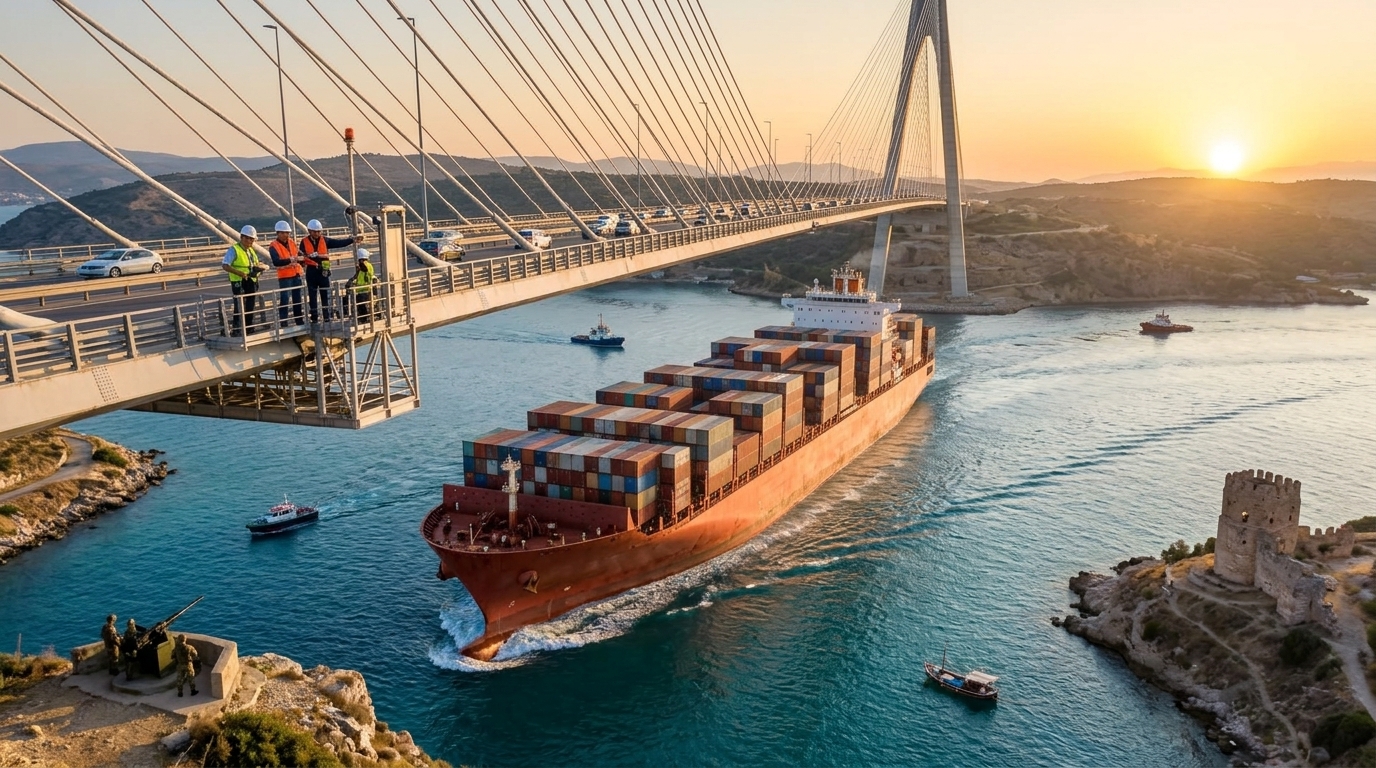
Traditional maritime arteries, once taken for granted, have turned into hotspots of risk. The Red Sea crisis, marked by ongoing Houthi attacks, has forced the world’s largest shipping companies to divert their vessels around the Cape of Good Hope. This detour adds approximately 10 to 14 days to the journey, sharply increasing fuel consumption and CO2 emissions, while disrupting delivery schedules across Europe and the Americas.
Simultaneously, climate change is making its mark on the Panama Canal. Prolonged drought has reduced water levels to historic lows, forcing the Canal Authority to limit the number of transits and the draft of vessels. This combination of geopolitical instability and environmental challenges creates a "vise effect" for the global supply chain, making planning a high-stakes exercise.
From "Just-in-Time" to "Just-in-Case"
For decades, the global economy operated on the "Just-in-Time" model, aiming to minimize inventories to reduce costs. The new normal of instability mandates a shift to "Just-in-Case." Companies are now seeking greater resilience by maintaining higher inventories and diversifying their sourcing origins.
This strategic pivot comes with a massive economic price tag. Freight rates have risen significantly, and war risk insurance premiums have skyrocketed. Consumers are already feeling the impact through inflation on imported goods. However, seafarer safety remains the most critical and often overlooked issue. Our sailors are on the front lines, facing drones, missiles, and piracy, making the recruitment of new talent into the industry more difficult than ever.
Technology and AI as a Lifeline
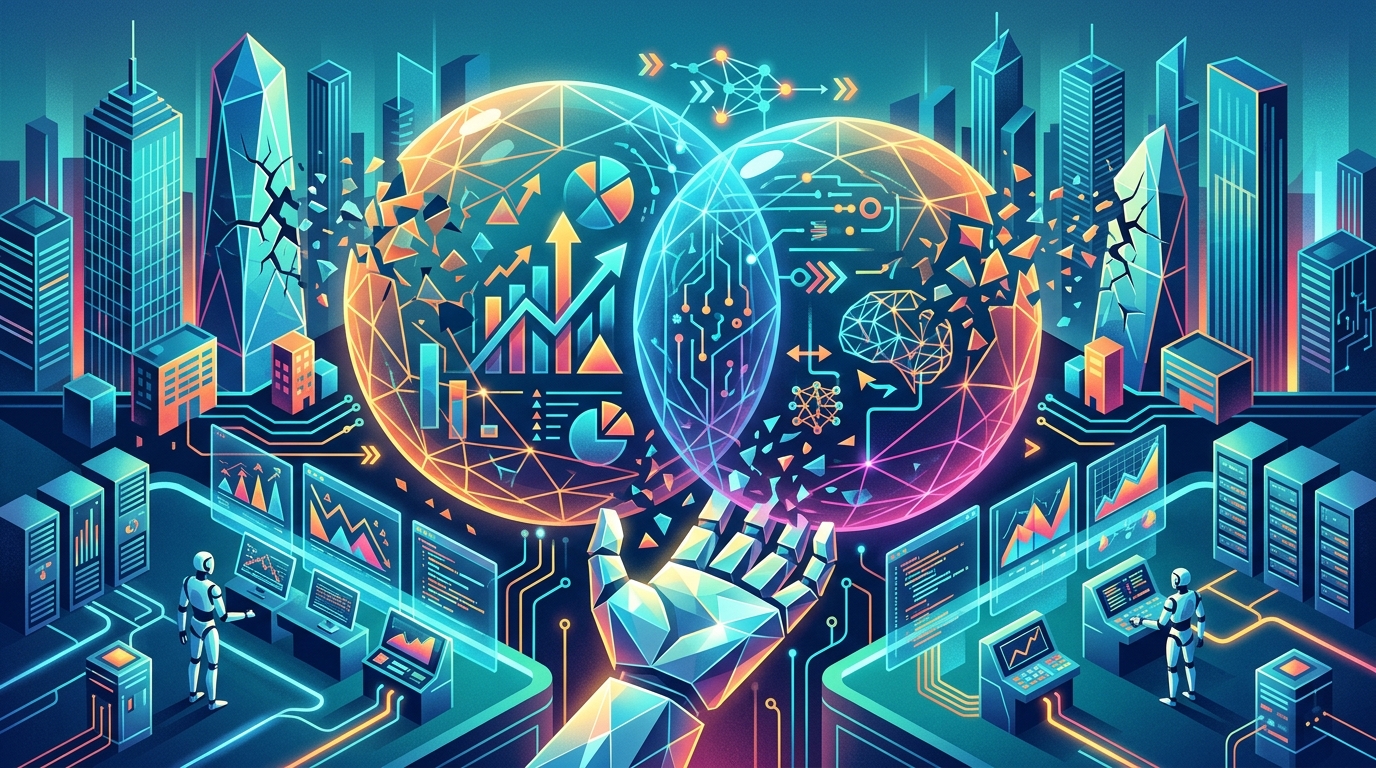
Amidst this chaos, technology is emerging as a deus ex machina. Artificial Intelligence (AI) is now being used to predict disruptions before they occur. AI systems analyze vast amounts of data from satellites, weather stations, and geopolitical reports to suggest alternative routes in real-time.
- Route Optimization: AI reduces fuel consumption by up to 15% through more precise navigation.
- Autonomous Navigation: The development of reduced-crew or fully autonomous vessels can decrease human exposure in high-risk zones.
- Blockchain in Logistics: The transparency offered by blockchain allows for faster tracking of goods when a vessel is diverted.
Digitalization is no longer a luxury; it is a survival tool. Shipping companies that invested early in "digital twins" of their fleets are the ones successfully navigating the storm of instability.
The Future: Green Transition in a Divided World
The greatest challenge remains decarbonization. The International Maritime Organization (IMO) has set ambitious goals for net-zero emissions by 2050. However, geopolitical instability is slowing down investments in green fuels, as companies are forced to spend capital on security and longer routes.
In conclusion, shipping in 2026 requires a new generation of leaders who understand geopolitics, technology, and risk management in equal measure. The sea remains the connector of our world, but the rules of the game have changed permanently. Adaptability is now the most valuable cargo a ship can carry.