The Greek economy continues to emit signals of resilience, with domestic industry taking center stage in the positive developments of the second quarter of 2026. According to the latest data from the Hellenic Statistical Authority (ELSTAT), the General Industrial Production Index showed a remarkable increase during May, confirming analyst estimates of a gradual recovery following the challenges of previous years. This development is not merely a statistical triumph but an indication that structural changes in the country's productive fabric are beginning to bear fruit.
Breaking Down the Numbers: Manufacturing Leads the Way
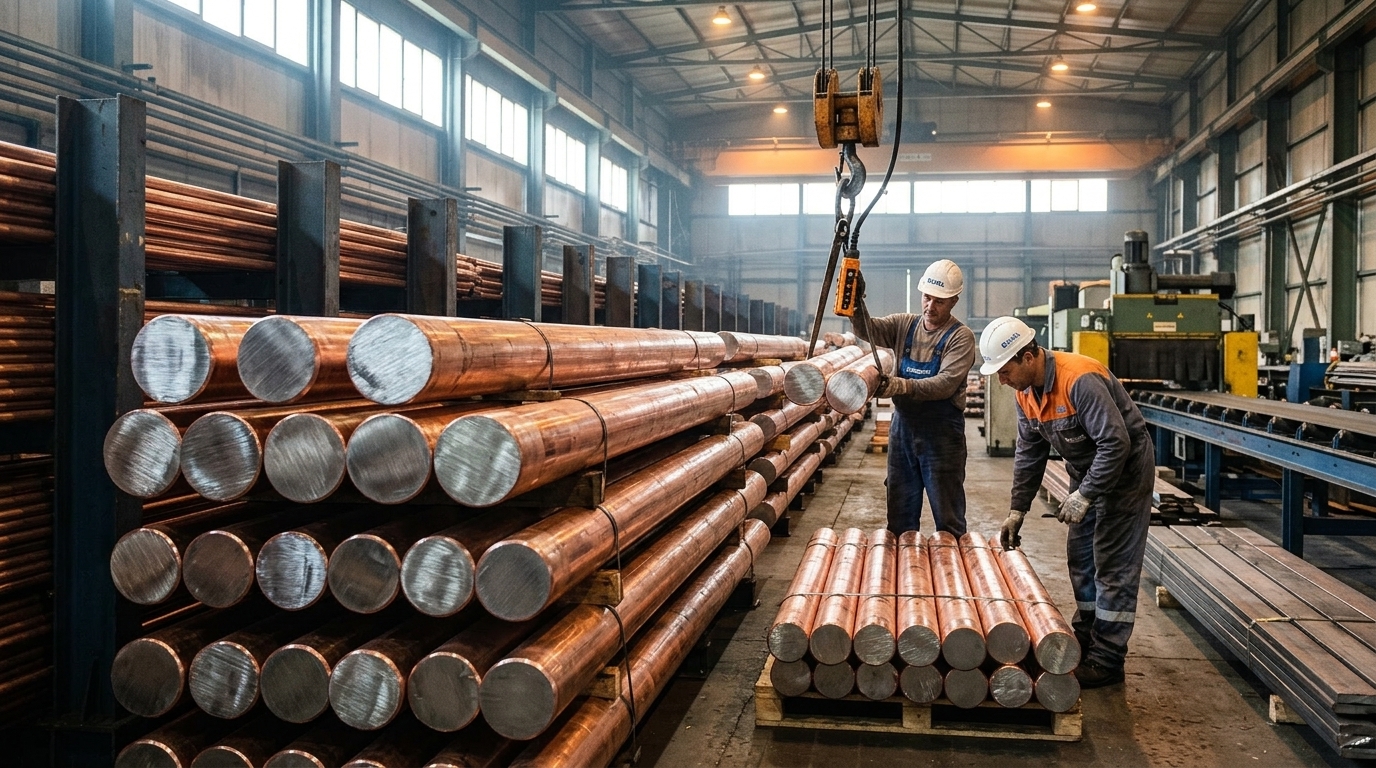
The May uptick was not uniform across all sectors but was driven by specific industries demonstrating dynamism and an export-oriented focus. Manufacturing remains the "engine" of Greek industry, recording strong annual growth. Particular emphasis should be placed on the food and beverage, pharmaceutical, and metal fabrication sectors. These industries benefited from increased demand in international markets and the integration of new technologies that enhanced productivity.
Simultaneously, the energy sector showed signs of stabilization, with electricity production adapting to the demands of the green transition. The increasing share of renewable energy sources in the national mix appears to be positively impacting production costs in the long term, although short-term fluctuations in raw material prices remain an unpredictable factor. ELSTAT notes that a comparison with the same month of the previous year shows a clear trend of moving away from traditional, energy-intensive production methods toward more efficient models.
Challenges and Obstacles on the Road to Competitiveness
Despite the positive figures, Greek industry cannot afford to be complacent. The international environment remains volatile, with geopolitical tensions affecting supply chains. Transportation costs and a shortage of skilled labor are the two most significant hurdles for Greek businesses. The need for reskilling and upskilling personnel is more urgent than ever, as the digitalization of production (Industry 4.0) requires new competencies that are not always readily available in the labor market.
- Energy costs remain higher than the European average, weighing on international competitiveness.
- Access to affordable financing for small and medium-sized industrial units remains limited.
- Bureaucracy in the licensing of new industrial parks delays strategic investments.
Furthermore, domestic demand, though bolstered by tourism, is insufficient to sustain high growth rates without a parallel increase in exports. Greek industries are called upon to find new markets beyond the traditional borders of the European Union, investing in the quality and innovation of their products.
The Strategic Importance of Investments and the Recovery Fund
The positive performance in May is inextricably linked to the influx of capital from the Recovery and Resilience Facility (RRF). These funds have been largely directed toward the digital transformation of enterprises and the energy upgrading of their infrastructure.
"Industry is no longer the traditional sector of 'smokestacks' but a high-tech field that requires a continuous flow of capital and innovation,"a senior official from the Hellenic Federation of Enterprises (SEV) noted.
The outlook for the second half of 2026 remains cautiously optimistic. If the production growth trend persists, the industrial sector's contribution to the country's GDP could exceed 15%, nearing the targets set for a more balanced and resilient economy. The government, for its part, is considering further tax incentives for companies investing in Research and Development (R&D), recognizing that the industrial base is key to reducing the trade deficit.
In conclusion, ELSTAT's data for May serves as a vote of confidence in the potential of Greek production. However, maintaining this momentum requires vigilance, continuous improvement of the business environment, and a national strategy that places industry at the heart of growth for the coming decade.