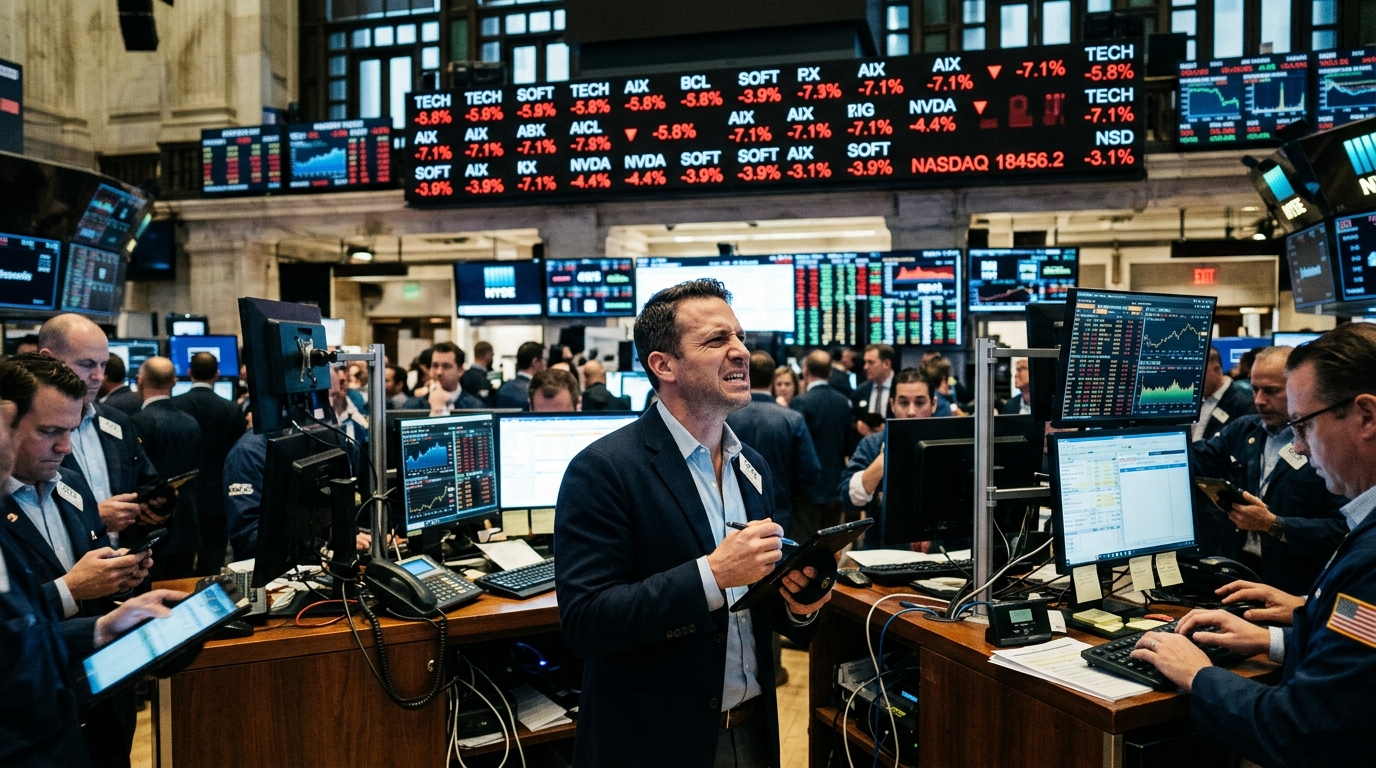
In an era where economic uncertainty casts a long shadow over the global horizon, the admission of one of the world's wealthiest individuals has stirred the waters of social ethics. Bill Gates, in a rare moment of absolute candor, admitted that his status as a billionaire makes him significantly happier than the average person. However, his analysis does not focus on luxury yachts or private islands, but on something far more fundamental: the elimination of existential fear.
Security as the Ultimate Luxury
According to Gates, the greatest advantage of billions is not the capacity for consumption, but the absence of the need for survival. "I don't have to worry about health costs or education," he noted pointedly. This statement touches the core of modern social anxiety. For most of the global population, happiness is inextricably linked to security. When a person does not have to choose between paying rent and medical care, stress levels drop dramatically, allowing "happiness" to flourish.
"Not having to think about health costs or your children's education is a huge blessing," Gates said, emphasizing that wealth acts as an impenetrable safety net.
The Science of Happiness and the Income Ceiling
Gates' admission aligns with both older and contemporary economic studies. For years, the prevailing theory (based on research by Kahneman and Deaton) argued that happiness increases alongside income up to the threshold of $75,000 per year. Beyond that point, additional money was thought to have diminishing returns on psychological satisfaction. However, newer research, such as that by Matthew Killingsworth, suggests that happiness continues to rise as wealth increases, with no clear "ceiling."
In Gates' case, we see the application of this theory on the ultimate scale. His wealth allows not only for individual peace but also for the exercise of influence on a global level through philanthropy. This adds a second layer of happiness: a sense of purpose. The Bill & Melinda Gates Foundation has channeled billions into fighting diseases like polio and malaria, offering its founder a moral satisfaction that transcends material goods.
The Ethical Dimension and Social Inequality
However, Gates' honesty brings to light an uncomfortable truth about our economic system. If happiness is so closely tied to financial security, then the widening gap between the rich and the poor is not just an economic issue, but a public mental health crisis. In the US and Europe, the cost of living is rising faster than wages, making "happiness"—in the sense of tranquility—a luxury product.
- The top 1% of the global population holds 43% of global wealth.
- Access to quality healthcare remains the number one stressor for middle classes.
- Gates advocates for higher taxes on the wealthy, recognizing the paradox of his own prosperity.
The discussion opened by Gates is not just about him. It's about how societies structure their social protection systems. If the state provided the security that Gates buys with his billions—namely free healthcare and education—then the difference in happiness between a billionaire and an employee would be significantly smaller. His admission is, in reality, an indirect critique of the lack of robust social safety nets.
Conclusion: Wealth and Responsibility
In conclusion, Bill Gates didn't tell us that money buys a smile, but that it buys the time and peace of mind required to smile. The challenge for the 21st century is not to demonize wealth, but to ensure that the basic "happiness of security" is not a privilege reserved for the few. As he has repeatedly stated, the luck of being born in a wealthy country and succeeding financially entails a massive responsibility toward humanity.