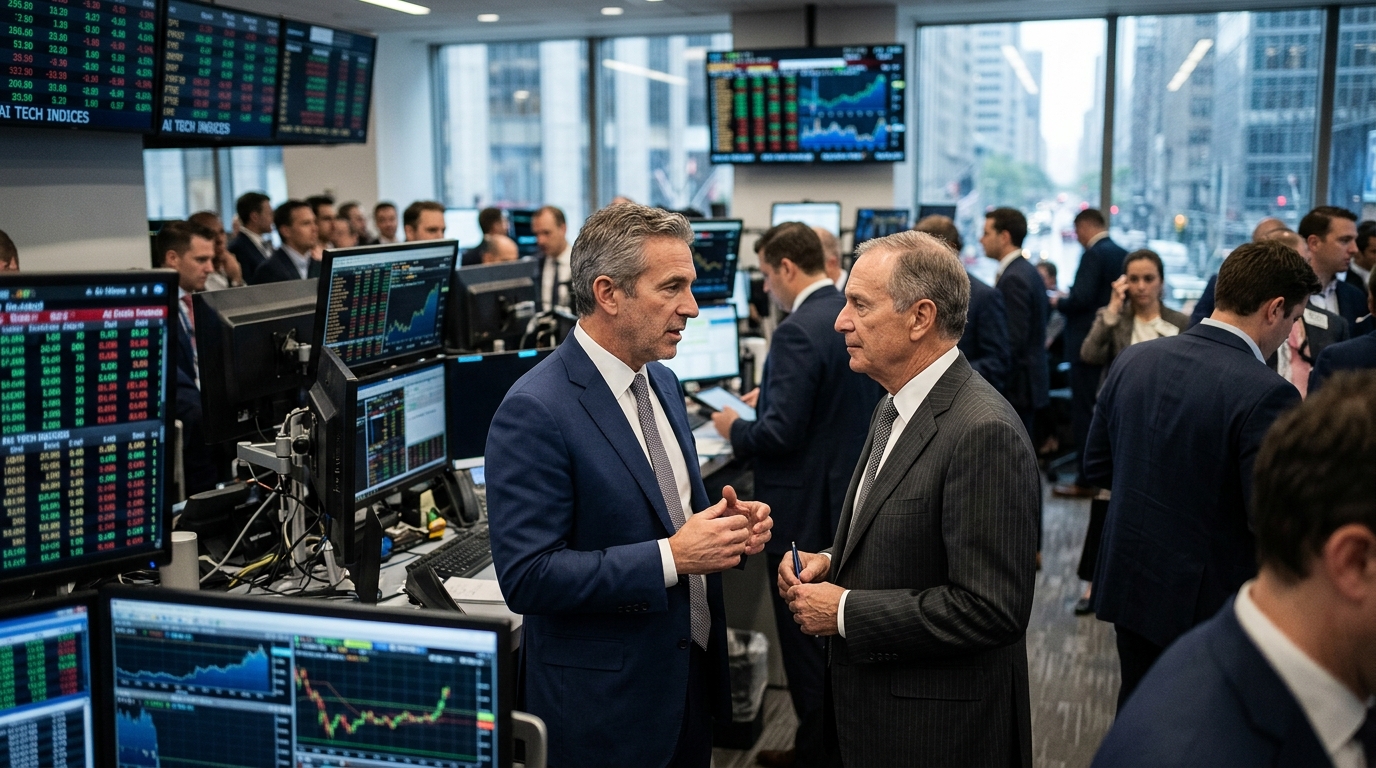
In a move that signals the true industrialization of artificial intelligence, alternative investment titans Apollo Global Management and Blackstone have announced an unprecedented $35 billion partnership. This deal isn't merely about buying stocks; it represents the birth of a new financial architecture designed to support the voracious appetite for computing power, specialized chips, and hyperscale data centers. As of June 2026, the market has realized that AI is not just software—it is, above all, heavy infrastructure.
The Pivot from Venture Capital to Private Credit
For decades, tech financing was synonymous with Venture Capital (VC). However, the scale of Generative AI requires capital that far exceeds the capacity of traditional VC funds. Building a modern data center to house thousands of Nvidia Blackwell chips (or their successors) now costs billions, not millions. This is no longer a game for small-scale equity; it is a game for massive debt and structured finance.
Apollo and Blackstone are stepping into the vacuum left by traditional commercial banks, which often hesitate to lend massive sums against assets that depreciate rapidly or face high technological obsolescence risk. By utilizing Asset-Backed Lending (ABL) models, these firms allow cloud providers and AI enterprises to borrow against the physical chips and infrastructure themselves. This strategy lowers the cost of capital and enables the rapid expansion of the neural networks required to train the next generation of Large Language Models (LLMs).
The Strategic Importance of Physical Infrastructure
This collaboration highlights a critical reality: the battle for AI supremacy will be won on the ground, in the physical realm of infrastructure. Blackstone, under Stephen Schwarzman, has already pivoted to become one of the world's largest data center owners through its acquisition of QTS. Apollo, conversely, specializes in sophisticated credit solutions that can absorb the risks that regulated Wall Street banks are forced to avoid due to capital requirements.
- Energy Resilience: A significant portion of the $35 billion will target energy solutions, as data centers threaten to overwhelm power grids in the US and Europe.
- Chip Supply Chain: This financing facilitates massive pre-orders of hardware from Nvidia and AMD, securing priority in a supply-constrained market.
- Democratizing Hyperscale: While giants like Microsoft and Google have deep pockets, this financing allows mid-tier players to remain competitive in the infrastructure race.
Risks and the "Infrastructure Bubble"
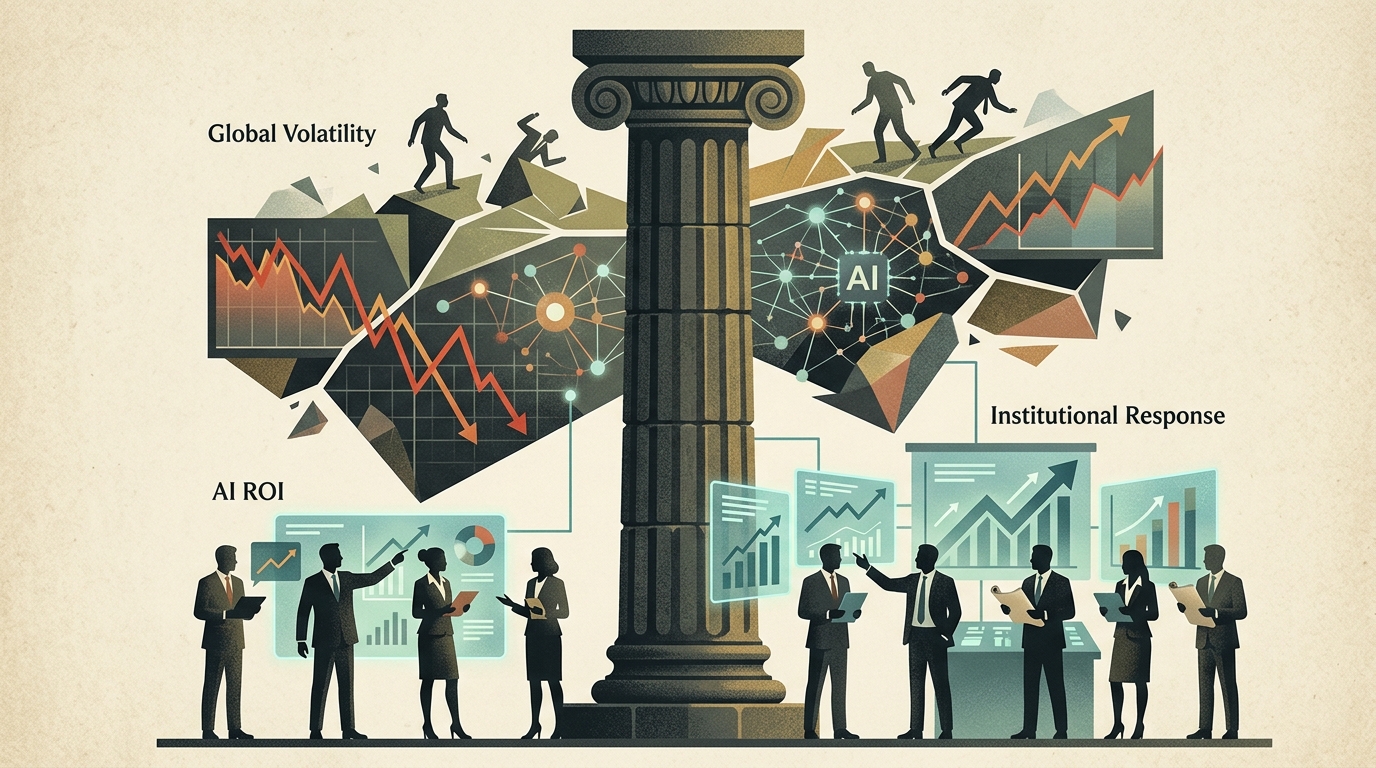
Naturally, such a massive concentration of capital is not without its perils. Critics and some analysts warn of a potential "infrastructure bubble." If the actual demand for AI services—and more importantly, the monetization of those services—does not grow at the projected pace, firms could be left with expensive data centers that fail to generate the necessary returns. However, Apollo and Blackstone are betting that AI is a fundamental paradigm shift, akin to the arrival of electricity or the internet.
"We aren't just financing servers; we are financing the nervous system of the 21st-century economy," an Apollo executive noted during the deal's announcement.
This move is expected to trigger a chain reaction in Europe, where the lack of similar private credit depth and infrastructure investment threatens to leave the continent trailing in the global race. The need for a "European Blackstone" or sovereign wealth funds focused specifically on AI infrastructure is becoming a matter of economic sovereignty.
Conclusion: Wall Street's New World Order
The $35 billion deal is just the beginning. As AI demands more resources—more silicon, more land, and more gigawatts—the role of Private Equity and Private Credit will become even more central. The traditional distinction between "tech" and "heavy industry" is dissolving. Today, technology is the industry, and Wall Street is the engine providing the fuel. The success of this massive financing experiment will determine whether the promise of AI translates into sustainable economic growth or remains an expensive, over-leveraged experiment.