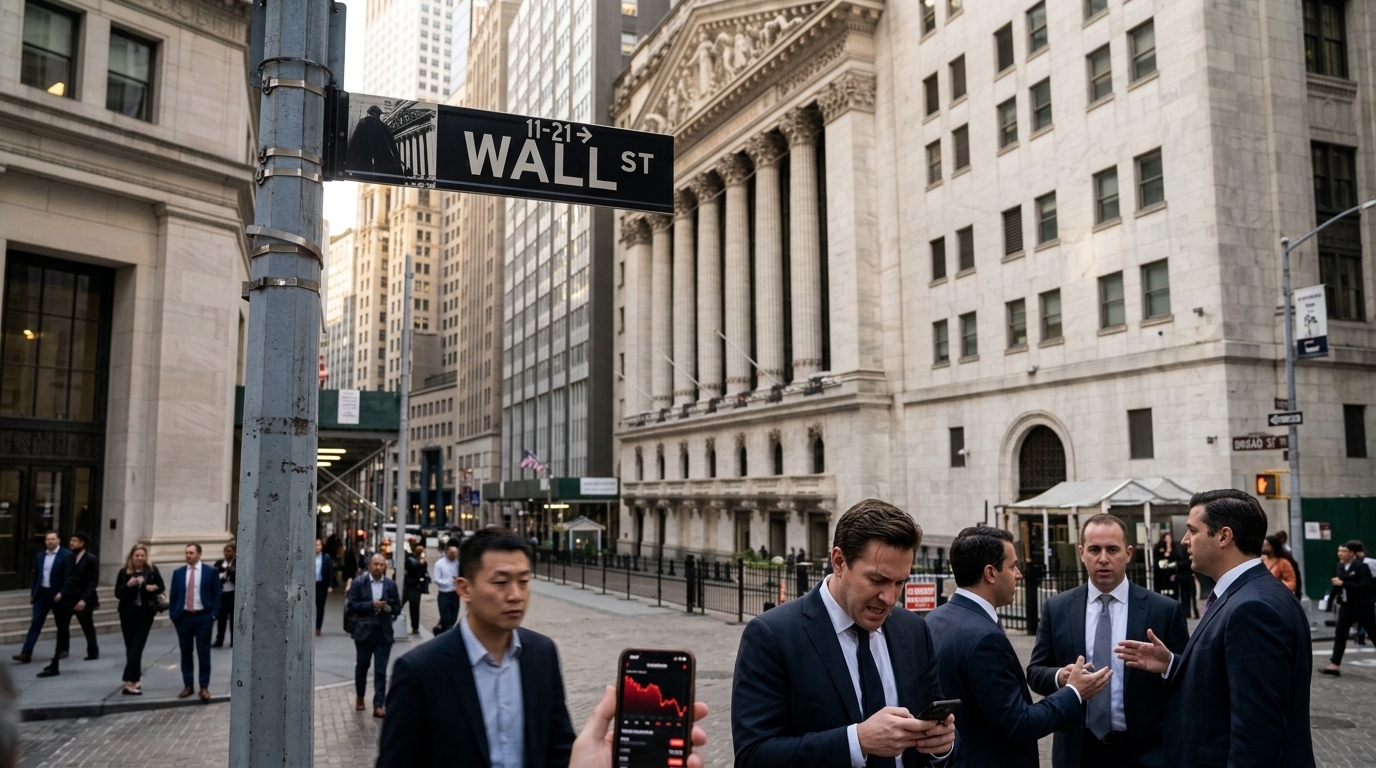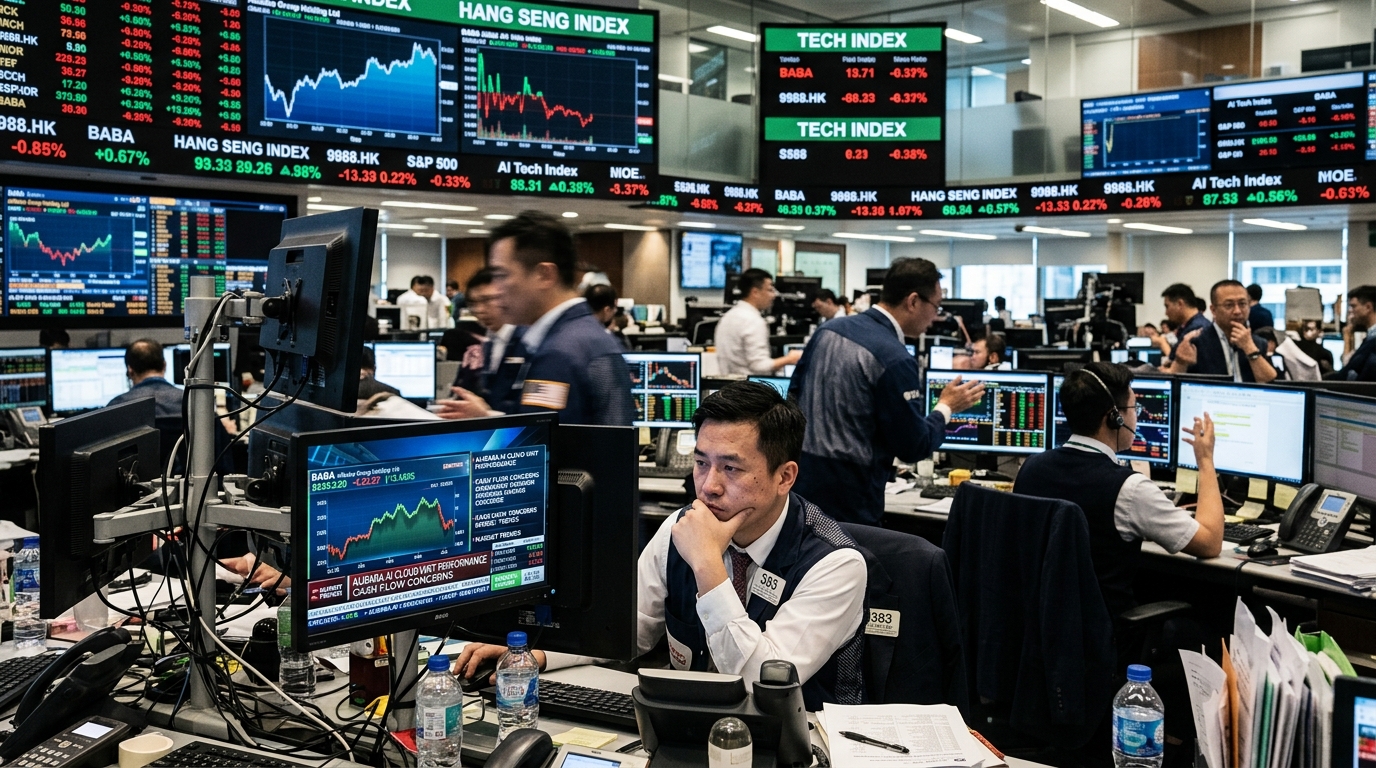
In the height of July 2026, the Chinese e-commerce and technology behemoth, Alibaba Group (NYSE:BABA; HKG:9988), finds itself at one of the most compelling and precarious junctures in its history. The recent stock rally, fueled by unbridled optimism surrounding its Cloud Intelligence division’s AI capabilities, is beginning to show signs of strain. While investors remain captivated by the potential of the Tongyi Qianwen model and the underlying AI infrastructure, they are now being forced to confront the cold, hard reality of cash flow constraints and geopolitical bottlenecks.
The Rebirth Through Cloud and AI
Alibaba’s strategic pivot toward Artificial Intelligence is not merely a choice; it is a necessity for survival. Following the aborted IPO of its Cloud unit last year, the company underwent a radical restructuring to place AI at the core of its growth engine. Demand for computing power in China remains at record highs as thousands of enterprises rush to integrate Generative AI into their workflows. Alibaba, holding the largest market share in China’s cloud computing sector, is uniquely positioned to be the “railroad” upon which the Chinese AI revolution runs.
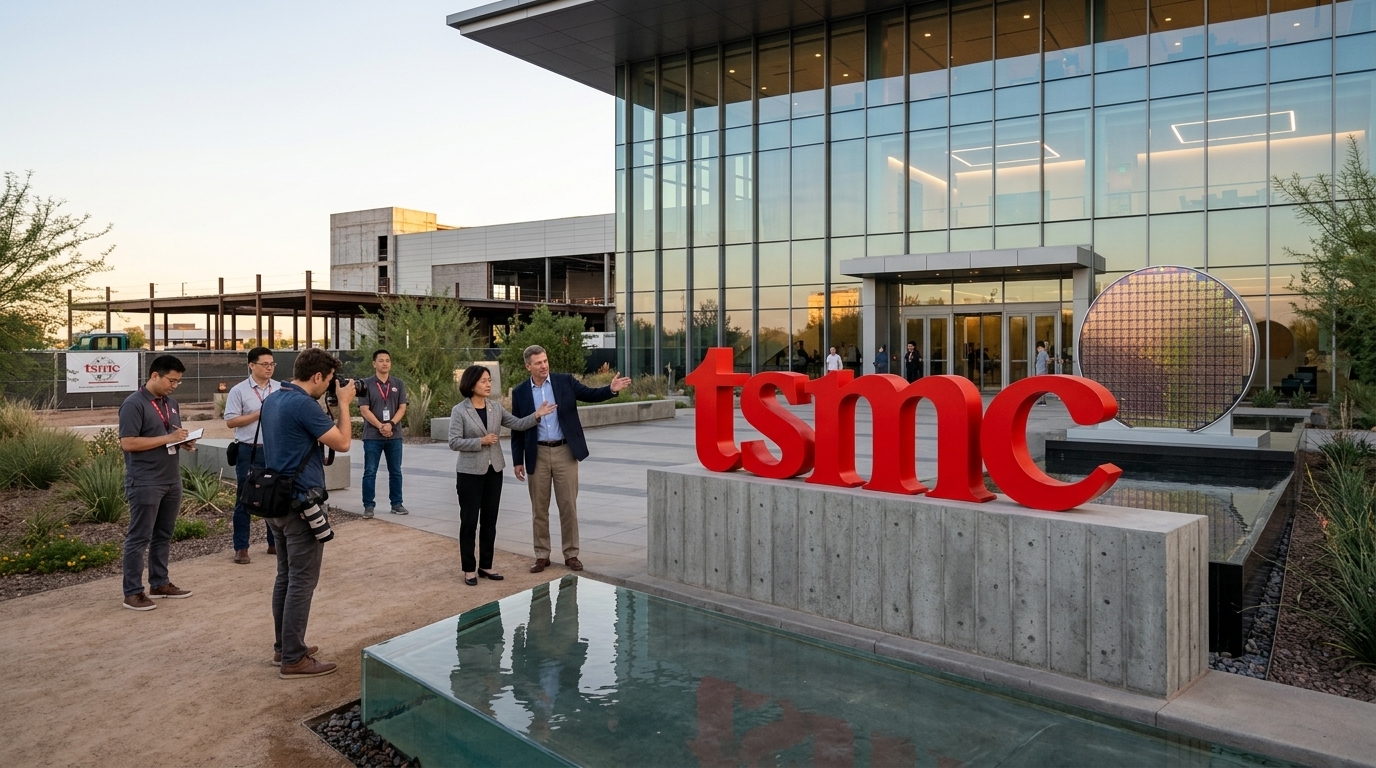
However, this optimism is shadowed by the staggering cost of capital expenditures. Building and maintaining data centers capable of supporting large-scale models requires billions of dollars. In an era where access to advanced semiconductors—such as Nvidia’s H100s and B200s—is stifled by U.S. export controls, Alibaba is forced to invest heavily in in-house chip development and sourcing alternative solutions. This massive R&D burn is placing significant pressure on profit margins that were once the envy of the industry.
The Liquidity Conundrum and Domestic Rivalries
Despite impressive top-line revenue, Alibaba is grappling with what analysts describe as “cash issues.” This does not imply the company is insolvent—it maintains one of the largest cash piles globally—but rather that the efficiency of its capital allocation is under scrutiny. The necessity for aggressive share buybacks to support the stock price, coupled with the capital-intensive nature of AI, leaves less room to maneuver in the increasingly brutal domestic retail landscape.
PDD Holdings (parent of Temu and Pinduoduo) continues to erode the market share of Alibaba’s Tmall and Taobao. By capitalizing on the “value-for-money” trend among Chinese consumers in a sluggish economy, PDD has forced Alibaba into a defensive posture. Alibaba finds itself trapped in a price war that drains cash reserves at the exact moment those funds are needed to secure technological dominance. Balancing the maintenance of e-commerce hegemony with the pursuit of AI Cloud leadership is a high-stakes tightrope walk.
Geopolitical and Regulatory Shadows
No analysis of Alibaba is complete without accounting for the political climate. While Beijing has softened its stance on the tech sector, the shadow of state intervention remains ever-present. The Chinese government’s push for “Common Prosperity” often translates into pressure for tech giants to align their investments with national priorities, even if those investments do not yield the highest Return on Investment (ROI).
Furthermore, U.S.-China relations remain the primary exogenous risk. Technology export restrictions do not just affect hardware; they impact Alibaba’s ability to attract international capital. Many Western institutional investors remain wary, fearing that new regulations could once again render Chinese equities “uninvestable.” Thus, the recent rally might not be the start of a sustained bull market, but rather a volatile spike in a long-term period of structural adjustment.
Conclusion: A Test of Endurance
Alibaba Group in 2026 is a company in transition. Jack Ma’s vision of a global trade empire has been replaced by a more focused, technocratic approach under new leadership. AI Cloud is undoubtedly the future, but the path to monetizing it effectively is fraught with obstacles. Investors must look past the flashy AI announcements and scrutinize the quarterly cash flow statements. Ultimately, while AI wins the headlines, liquidity wins the market wars.