Traditional retail, as we have known it for decades, is in the midst of a historical transition. It is not merely a shift from physical stores to online platforms, but a deeper, structural change driven by Artificial Intelligence (AI) and emerging technologies. As we navigate through 2026, the convergence of the physical and digital worlds—what analysts call 'phygital'—is no longer a futuristic promise but a daily reality reshaping the habits of millions of consumers.
The Era of Hyper-Personalization
Perhaps the most significant change lies in how businesses interact with customers. Thanks to machine learning algorithms, marketing is transforming from a mass-market effort into a precision surgical operation. AI analyzes vast amounts of data—from purchase history and web browsing to social media behavior—to predict consumer needs before they even realize them themselves.
Today, recommendation engines do more than just suggest similar products. They dynamically create personalized storefronts, adjust prices in real-time based on demand and customer loyalty, and send targeted offers at the precise moment a user is most likely to make a purchase. This 'hyper-personalization' skyrockets conversion rates but simultaneously raises serious questions about privacy and consumer autonomy.
The Supply Chain at the Heart of the Revolution
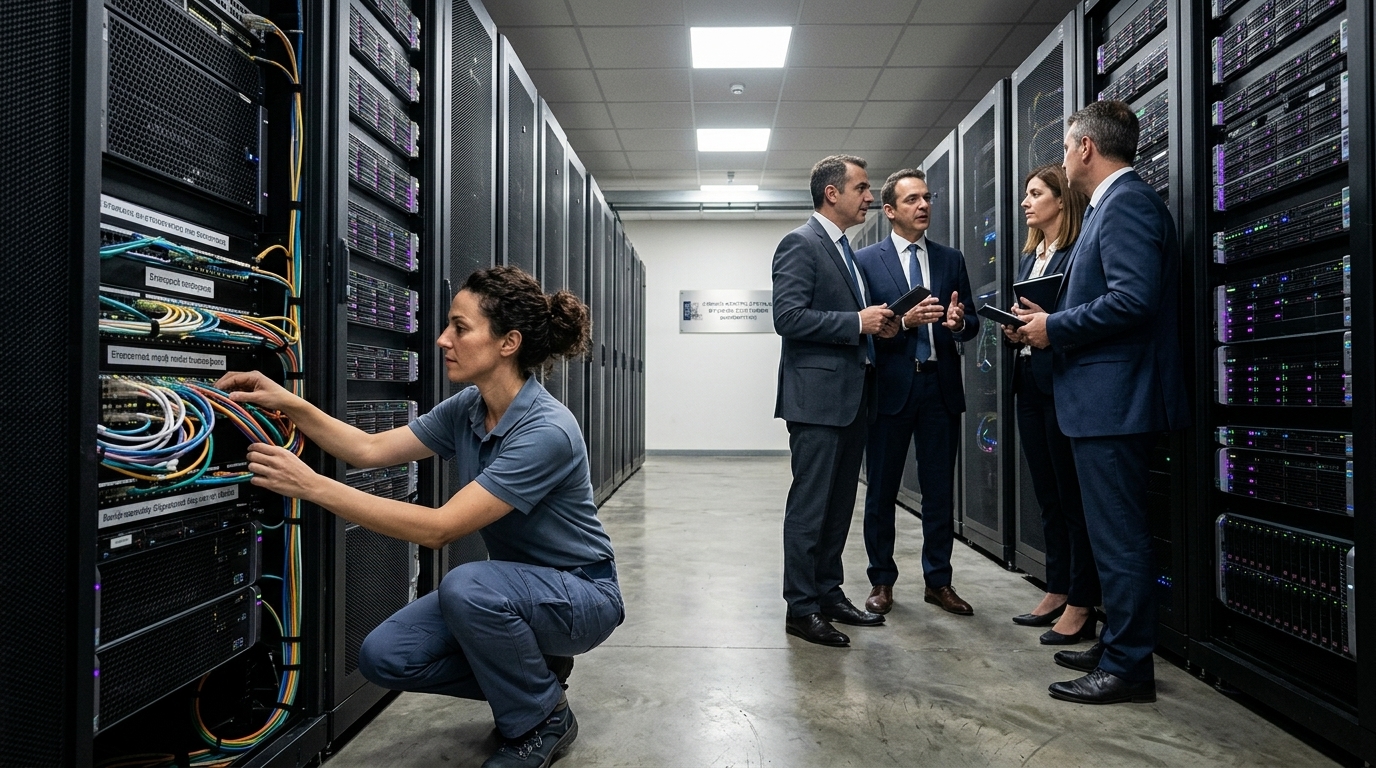
Behind the glossy digital shelves, AI is reorganizing the infrastructure that supports commerce. Inventory management, which once relied on empirical estimates, is now executed by predictive models that account for parameters such as weather conditions, geopolitical developments, and influencer trends. The result is a drastic reduction in waste and optimized logistics.
- Autonomous warehouse management with robots working seamlessly alongside human staff.
- Predictive maintenance of transport fleets to avoid delays.
- Dynamic routing for 'last-mile' delivery aimed at reducing the carbon footprint.
In regions like Greece and Cyprus, major retail chains are already investing millions in systems that allow delivery within hours, recognizing that speed and accuracy are the new currency of competition. The use of digital twins to simulate store operations allows management to test scenarios without the risk of real-world implementation.
The Physical Store as an Experience
Despite the rise of e-commerce, the physical store is not dying; instead, it is evolving into an experiential space. Augmented Reality (AR) allows customers to 'try on' clothes or furniture virtually, while smart shelves automatically notify staff of shortages. Computer Vision systems now enable checkout-free shopping, where consumers simply select products and leave, with the charge occurring automatically via an app.
"Technology does not replace human contact; it liberates it from transactional tasks, allowing salespeople to become consultants and brand ambassadors," notes a leading industry executive.
However, this transition requires a radical retraining of the workforce. Concerns about the loss of low-skilled jobs are real and require careful planning from both the state and the private sector. The challenge is to ensure that technological progress is accompanied by social cohesion.
Conclusions and Outlook
Retail in 2026 is more efficient, faster, and more personal than ever. Artificial Intelligence is no longer a tool on the periphery but the central nervous system of the enterprise. For consumers, this means greater convenience and choice. For businesses, it means a perpetual race to adopt the most sophisticated models. Ultimately, the winners will be those who manage to combine technological excellence with trust and ethical data management.