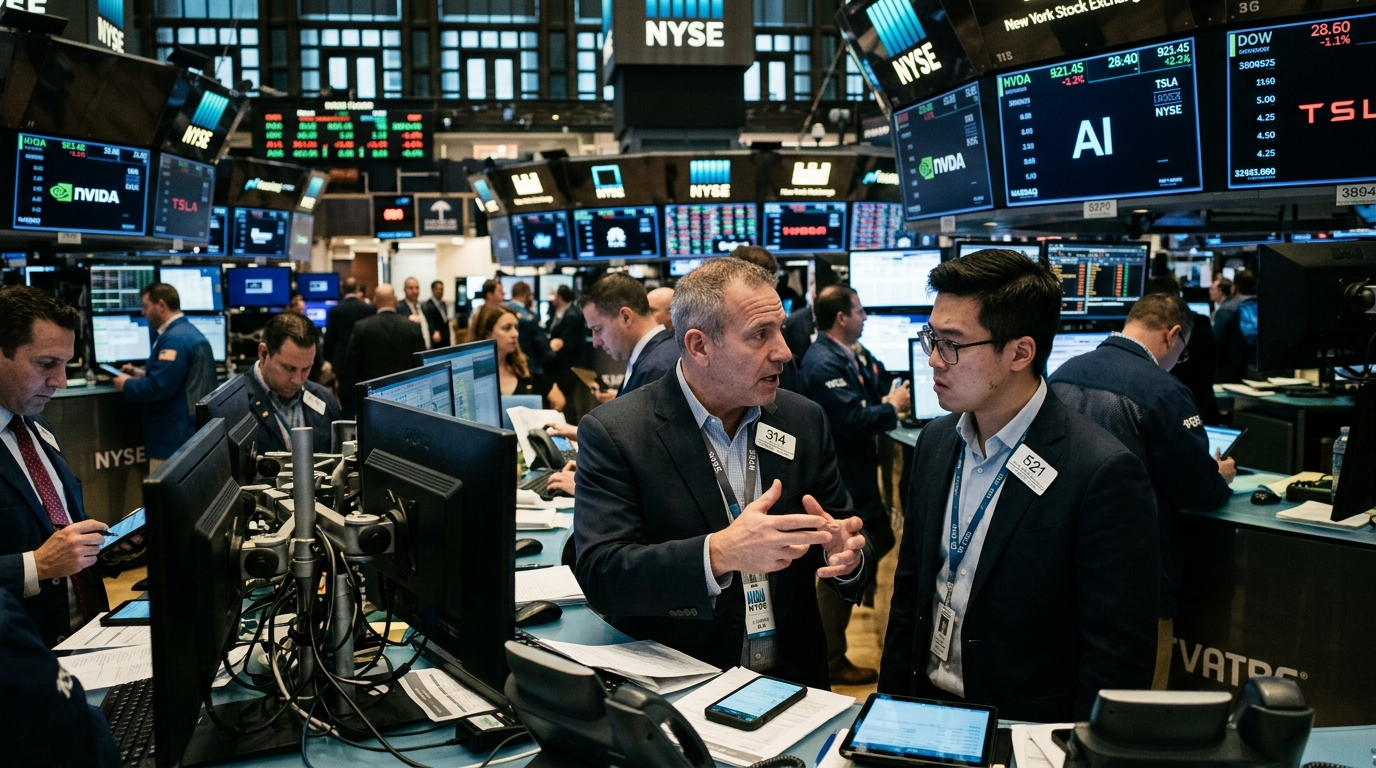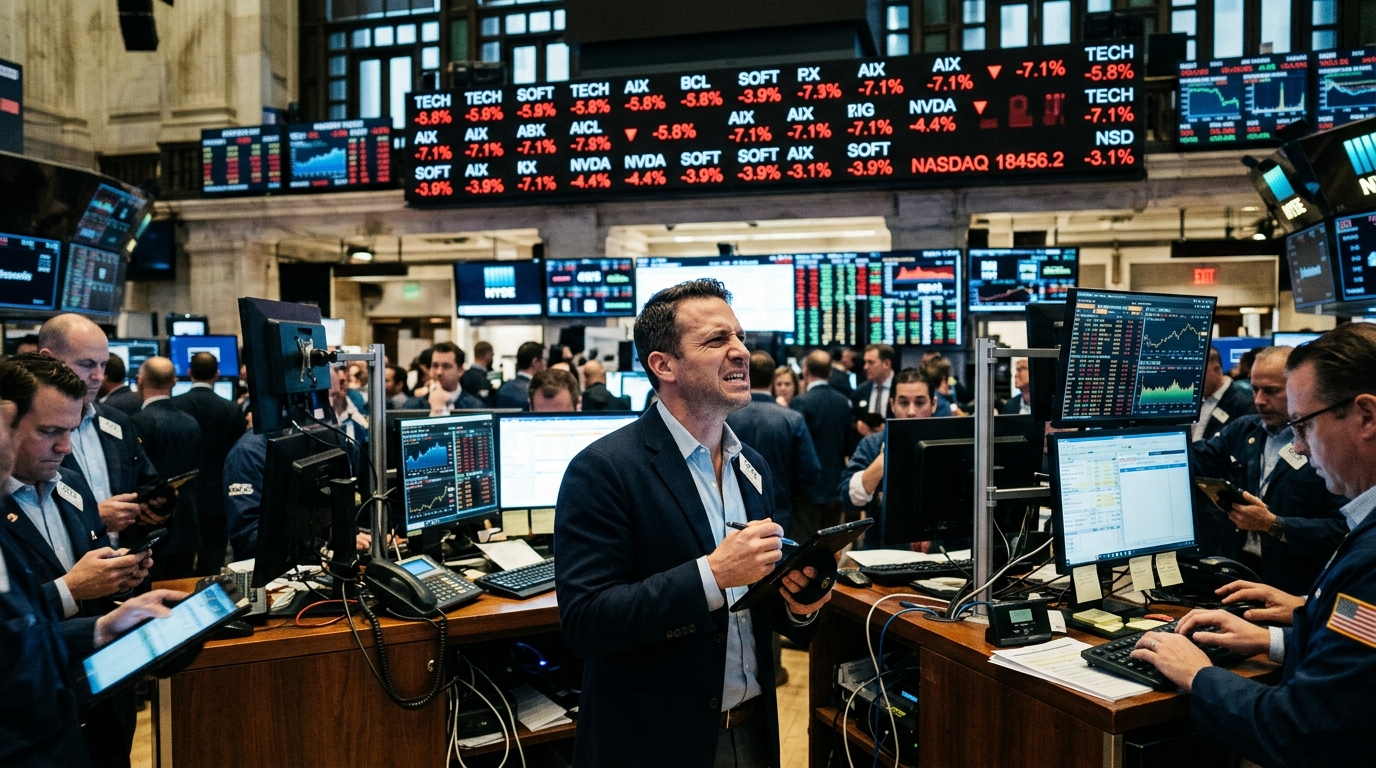
Wall Street has found its new "golden ticket," but seasoned analysts are beginning to see the first signs of dangerous overheating. As the global race for Artificial Intelligence (AI) dominance demands ever-increasing computational power, borrowing linked to the construction and operation of data centers has surged to dizzying levels. According to recent analyses, this wave of debt is rapidly climbing the list of systemic risks, as investors worry that the breakneck pace of financing may have sown the seeds of the next market shock.
The Anatomy of a Credit Explosion
The phenomenon isn't just about traditional bank loans. Data center financing has mutated into a complex ecosystem involving Asset-Backed Securities (ABS), private credit, and high-yield corporate bonds. Tech companies and infrastructure providers are rushing to secure capital to stay ahead of demand, often under terms that in other eras would have been considered excessively risky. The central question looming over Wall Street is simple yet terrifying: What happens if the return on investment (ROI) in AI does not materialize to the extent predicted by today’s models?
Investors have poured billions into these assets, viewing data centers as the "refineries" of the new digital economy. However, the concentration of risk is unprecedented. Many of these loans are based on the expectation that demand for cloud computing and AI training will continue to grow exponentially for the next decade. But if corporate adoption of AI slows down, or if new, more efficient technologies emerge that render current data centers obsolete, the ability to service this debt will be immediately called into question.
The Ghost of Crises Past
For veteran market players, the current situation is hauntingly reminiscent of the telecommunications bubble of the late 1990s. Back then, billions of dollars were spent laying fiber optic cables that remained unused for years ("dark fiber"). Today, the risk is "dark data centers." The difference now is that the debt is more deeply intertwined with the shadow banking system. Private equity firms have aggressively entered the sector, buying and developing infrastructure with high leverage, hoping for quick exits or refinancings.
Furthermore, the environmental dimension adds another layer of risk. Stricter regulations on energy consumption and ESG (Environmental, Social, and Governance) targets could make some of these projects economically unviable before their debt is even repaid. Data centers are energy-hungry, and the push for a "green" transition increases operating costs, squeezing the profit margins necessary to service the loans.
Systemic Implications and Regulatory Scrutiny
Regulators are beginning to closely monitor the exposure of banks and insurance companies to these specialized financial products. If there is a sharp correction in the valuation of tech companies, the contagion in the debt market could be instantaneous. Rating agencies warn that the quality of collateral in many of these loans is uncertain, as hardware and infrastructure depreciate rapidly due to technological shifts.
Despite these fears, optimism remains the dominant force. Industry proponents argue that AI is not a passing fad but a fundamental shift in global productivity. They contend that demand is real and that data centers are now as essential as the electrical grid. However, in the history of financial markets, the belief that "this time is different" is often the final slogan before a crash. The balance between the need for innovation and financial prudence has never been as delicate as it is today in the heart of Wall Street.