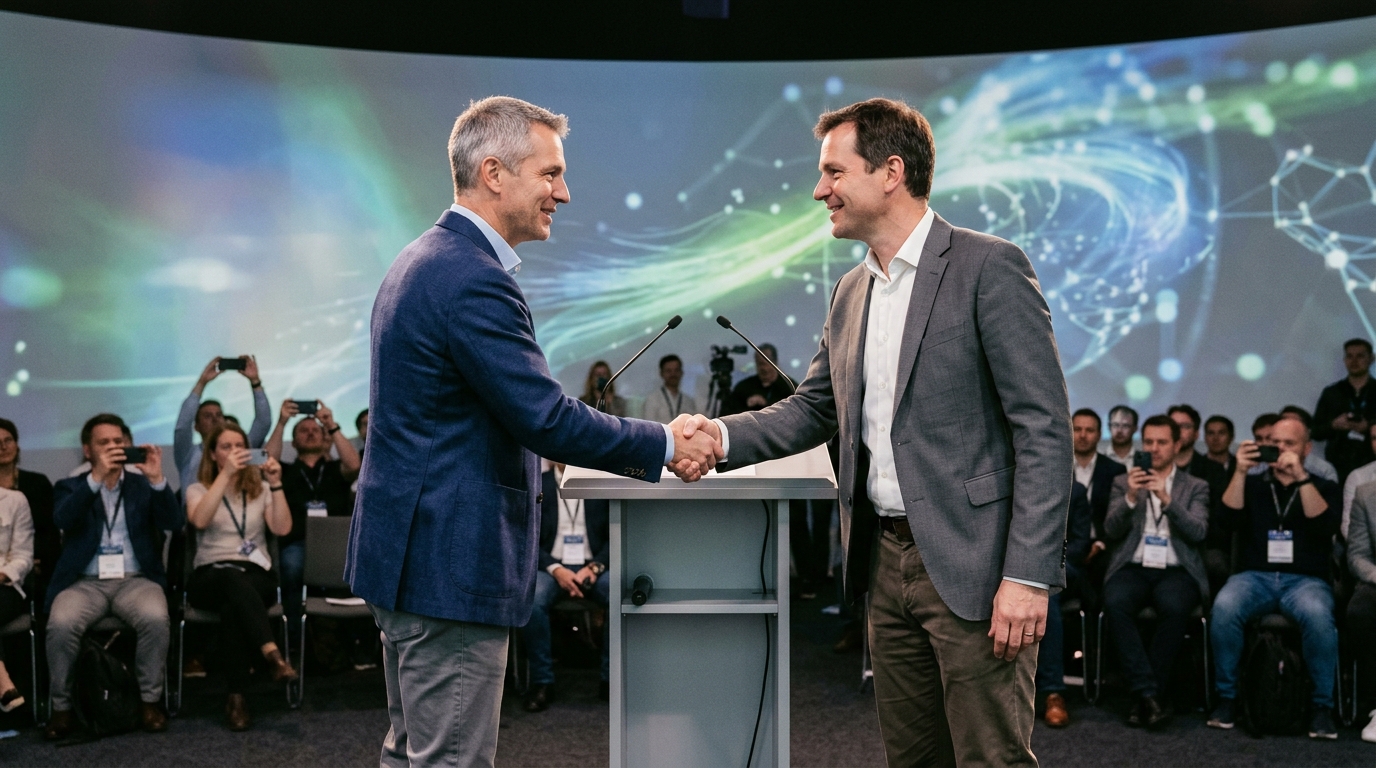
In a move set to redraw the map of global financial transactions, Visa, the worldwide leader in digital payments, has announced a multi-layered partnership with OpenAI. This alliance is not merely a technical upgrade but a fundamental shift in how consumers and businesses interact with money in 2026. The integration of OpenAI's advanced large language models into the VisaNet network aims to create an ecosystem where payment is no longer a static act, but an intelligent experience.
The Convergence of Data and Generative Intelligence
The heart of this partnership lies in leveraging the massive volumes of data managed by Visa, which will now be processed by OpenAI’s technology in real-time. Traditionally, fraud detection systems relied on static rules and historical patterns. With the new architecture, AI can perceive the context of a transaction. For instance, the system will be able to recognize if an unusual purchase abroad aligns with a user's travel itinerary, as derived from previous bookings, reducing the false card declines that plague millions of travelers annually.
Furthermore, businesses will gain access to "smart pricing" and inventory management tools. A small-to-medium enterprise (SME) will be able, through an AI assistant powered by OpenAI, to analyze its sales trends and receive suggestions for dynamic discounts or promotional actions that will be executed automatically through the Visa network. This democratization of business intelligence puts tools into the hands of small players that were previously only available to multinational giants.
Personalization: The Consumer at the Center
The next generation of commerce, as envisioned by the two companies, focuses on hyper-personalization. Imagine a digital assistant that doesn't just remind you to pay a bill but analyzes your spending and suggests the optimal payment method to maximize reward points or minimize interest. OpenAI brings the capability of natural language understanding, allowing users to ask their banking app: "Can I afford this new laptop this month?" and receive an informed answer based on their actual cash flows.
- Automated transaction dispute management via AI chatbots that understand legal documentation.
- Creation of virtual cards with dynamic limits that adjust based on the type of purchase.
- Proactive protection against sophisticated phishing attacks using behavioral prediction models.
The Challenge of Ethics and Privacy
Despite the prospects, the convergence of payments and AI raises serious questions regarding personal data protection. Visa and OpenAI have committed to using "Privacy-Preserving AI" technologies, where model training occurs without revealing individual user identities. However, the concentration of so much information within two entities causes concern among European Union regulators. The implementation of the AI Act will be the critical test for whether this partnership can operate within the frameworks of transparency and accountability.
"We are not just building better payment tools; we are building an intelligence infrastructure for the global economy," a Visa executive stated during the announcement.
In conclusion, the Visa-OpenAI partnership marks the end of the era of "blind" transactions. The future of commerce is predictive, modular, and deeply integrated into our daily digital lives, bringing artificial intelligence from the cloud directly into our wallets.