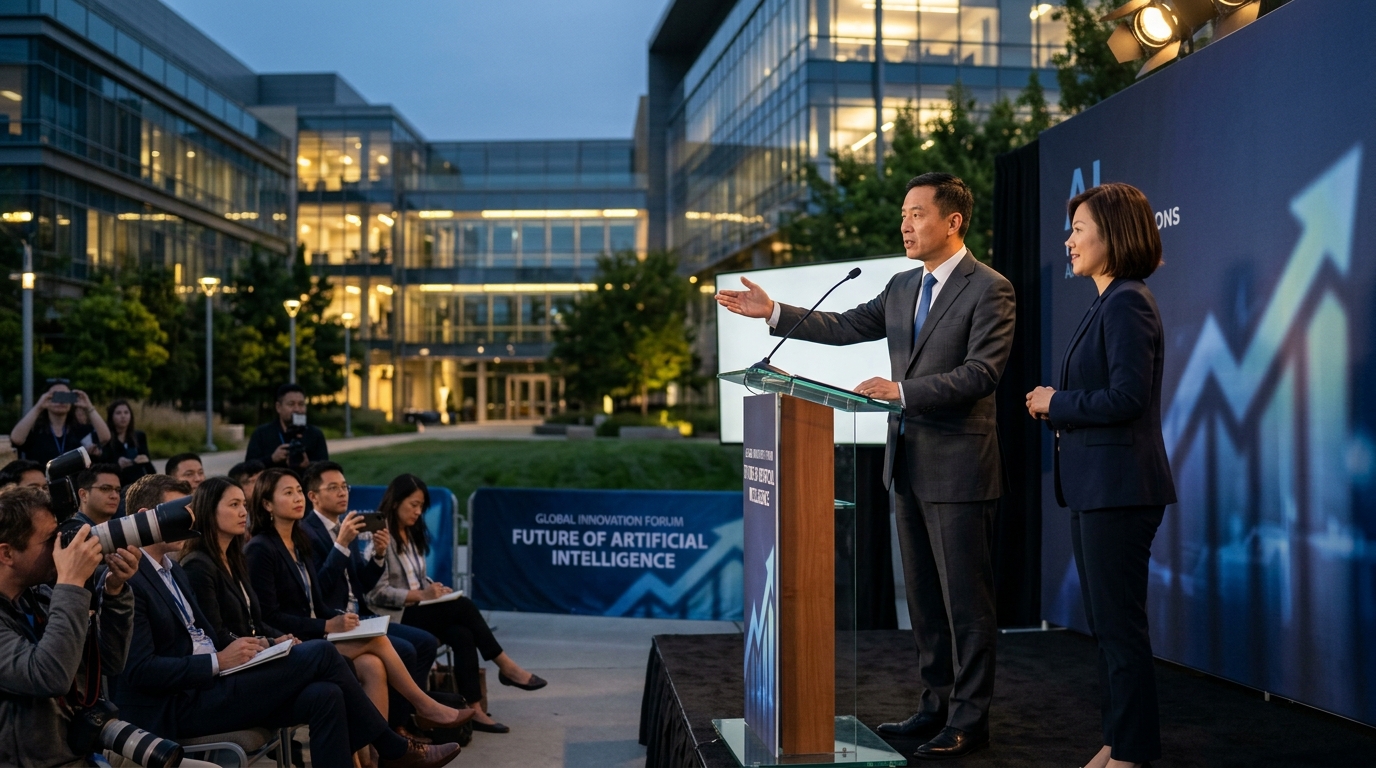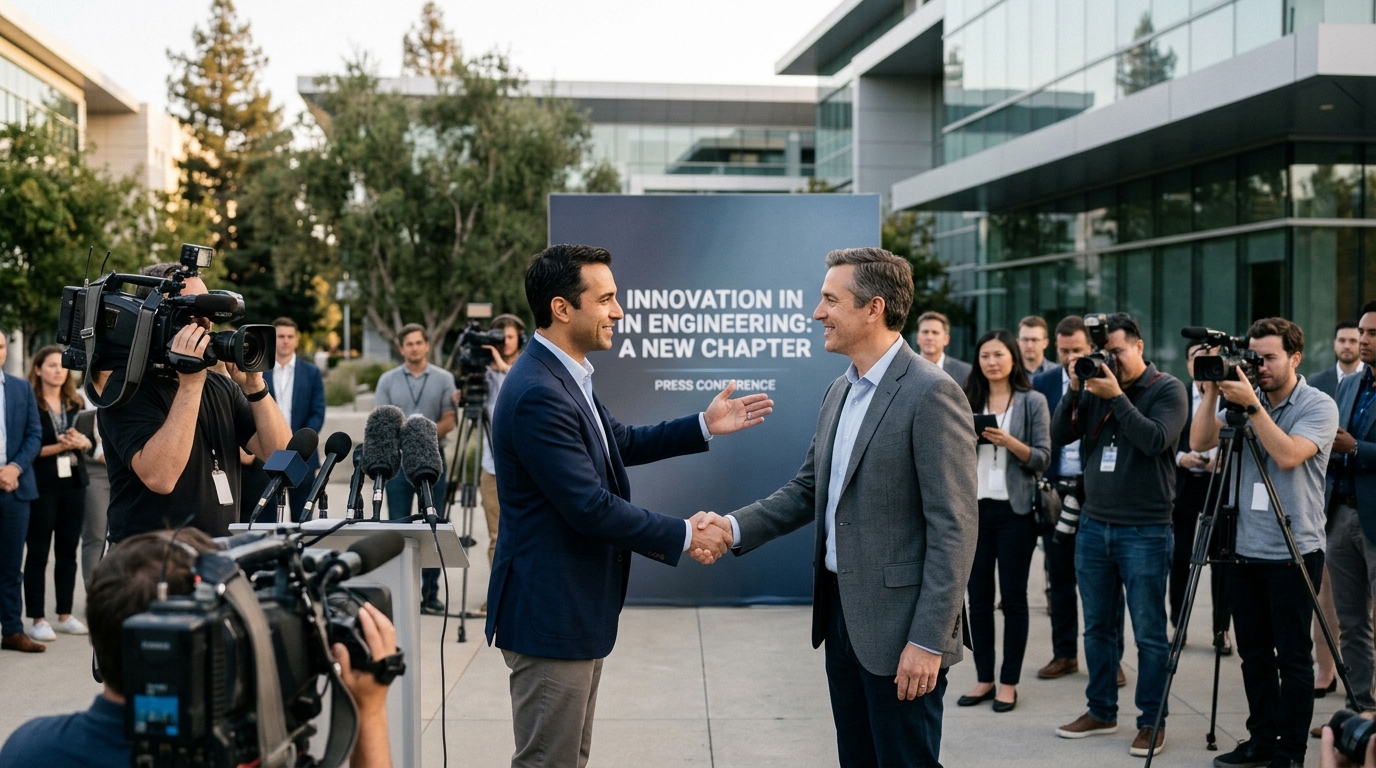
In a landmark deal that signals a seismic shift in the global software landscape, SpaceX has formally announced the acquisition of Cursor, the preeminent AI-driven code editor startup, for a staggering $60 billion. This move, finalized on June 16, 2026, places Elon Musk’s aerospace giant at the epicenter of the generative AI revolution, creating a formidable rival to established tech titans like Microsoft and Google.
The Logic of Vertical Integration
The acquisition of Cursor is far more than a simple expansion into developer tools; it is a masterstroke of vertical integration. As SpaceX’s Starship and Starlink programs reach unprecedented scales, the demand for rapid, error-free software development has become a critical bottleneck. Cursor, which surpassed Microsoft’s VS Code in developer sentiment throughout 2025, offers a platform where AI doesn't just assist the coder—it architects entire sub-systems.
Silicon Valley analysts suggest that Musk intends to bake Cursor’s intelligence directly into the SpaceX manufacturing and flight operations. Imagine a scenario where flight control algorithms are written, debugged, and optimized in real-time by an AI that understands orbital mechanics as fluently as it understands Python or C++ syntax. This fusion of hardware and software intelligence provides SpaceX with a competitive moat that is virtually unassailable by traditional aerospace or tech firms.
Disrupting the Developer Ecosystem
$60 billion is a loud declaration of war against the status quo in Redmond. Microsoft, which has long dominated the space with GitHub Copilot, now faces a competitor that isn't just looking to sell cloud subscriptions, but to apply AI to the most complex engineering challenges in human history. Cursor’s rise was fueled by its ability to handle massive, multi-million line codebases with near-zero latency, utilizing proprietary reasoning models that far outpace standard large language models.
- Complete automation of unit testing for safety-critical aerospace systems.
- Reduction of software deployment cycles for Starlink from weeks to hours.
- Deep integration with xAI’s Grok models for context-aware engineering.
While SpaceX has pledged to keep Cursor available as a standalone tool for the broader developer community, the most advanced features will undoubtedly be reserved for internal use. This raises significant questions about the future of open-source development and whether a single entity should wield such immense power over the tools used to build our digital civilization.
Financial Implications and Regulatory Scrutiny
The $60 billion price tag has raised eyebrows, with some questioning the valuation of a startup that was only in its infancy a few years ago. However, for SpaceX—now valued at nearly $300 billion—this is an investment in sovereign capability. In the AI era, the ability to iterate on software faster than your opponent is the ultimate currency. If Cursor allows SpaceX to reach Mars two years earlier, the $60 billion will be seen as a bargain.
"We are not buying a text editor. We are buying the engine of thought that will carry humanity to the stars," Musk reportedly wrote in a memo to SpaceX staff following the announcement.
Nevertheless, the deal is certain to face intense scrutiny from antitrust regulators in both the United States and the European Union. The concentration of power—spanning social media (X), satellite internet (Starlink), autonomous transport (Tesla), and now the very tools of software creation—presents a unique challenge to 20th-century regulatory frameworks. The battle to finalize this acquisition may prove to be as complex as the engineering feats SpaceX is known for.