By mid-2026, the artificial intelligence landscape is no longer defined solely by algorithms and large language models, but by the very silicon they run on. The recent news that ByteDance, the parent company of TikTok, is ramping up its efforts to build its own chips is the latest chapter in a broader strategic shift. The companies "winning" the AI race have realized that reliance on third-party general-purpose processors, such as those from Nvidia, has become a bottleneck for both their profitability and their ability to innovate.
The Strategy of Vertical Integration
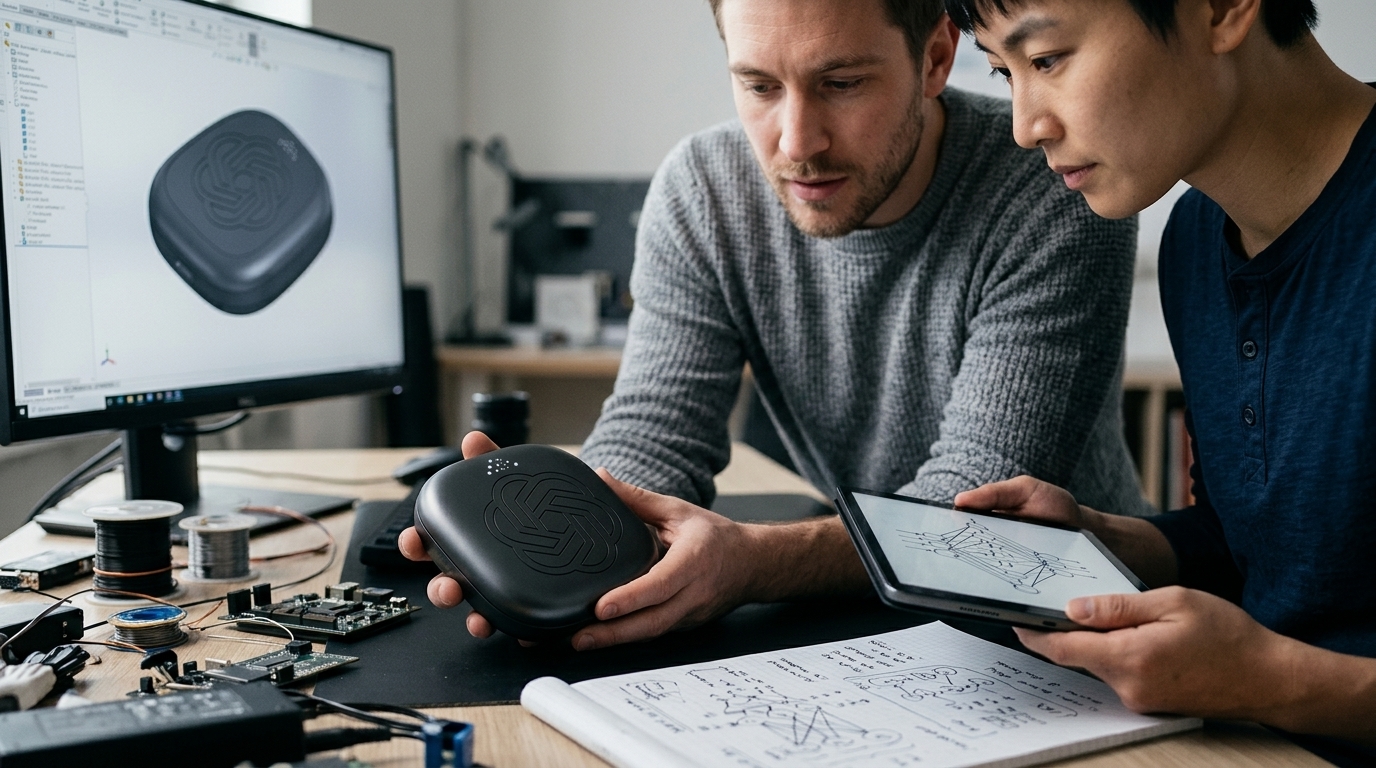
ByteDance's move is not an isolated incident. It follows in the footsteps of Google with its Tensor Processing Units (TPUs), Amazon with its Trainium and Inferentia chips, and Microsoft with the Maia series. The core logic behind this trend is "vertical integration." When a company controls both the software and the hardware, it can achieve levels of performance that are impossible with general-purpose processors. For ByteDance, the need is urgent: TikTok’s recommendation algorithms require massive computational power to process real-time video and analyze the behavior of billions of users.
By designing its own chips, ByteDance aims to reduce the cost-per-query. In the AI economy, energy and cooling for data centers represent the largest operational expenses. A chip optimized specifically for a particular algorithm can be up to ten times more energy-efficient than a general-purpose GPU. This translates into billions of dollars in savings over a five-year period, allowing the company to offer more sophisticated AI services without disproportionately burdening its balance sheet.
The End of Nvidia's Hegemony?
For years, Nvidia enjoyed a near-monopoly in the AI chip market, with its profit margins skyrocketing. However, current trends show that its largest customers are now becoming its competitors. While Nvidia's H100 and Blackwell cards remain the gold standard for model training, the market is shifting toward "inference." In the inference stage, where the model responds to users, specialized chips (ASICs) offer massive advantages.
ByteDance, also facing U.S. export restrictions to China, has no choice but to develop its own technology. This geopolitical pressure has accelerated a process that might otherwise have taken a decade. The creation of a domestic semiconductor ecosystem in China, led by companies like ByteDance and Huawei, is creating a parallel technological world, decoupled from Silicon Valley's dominance.
Challenges and the Future of Silicon
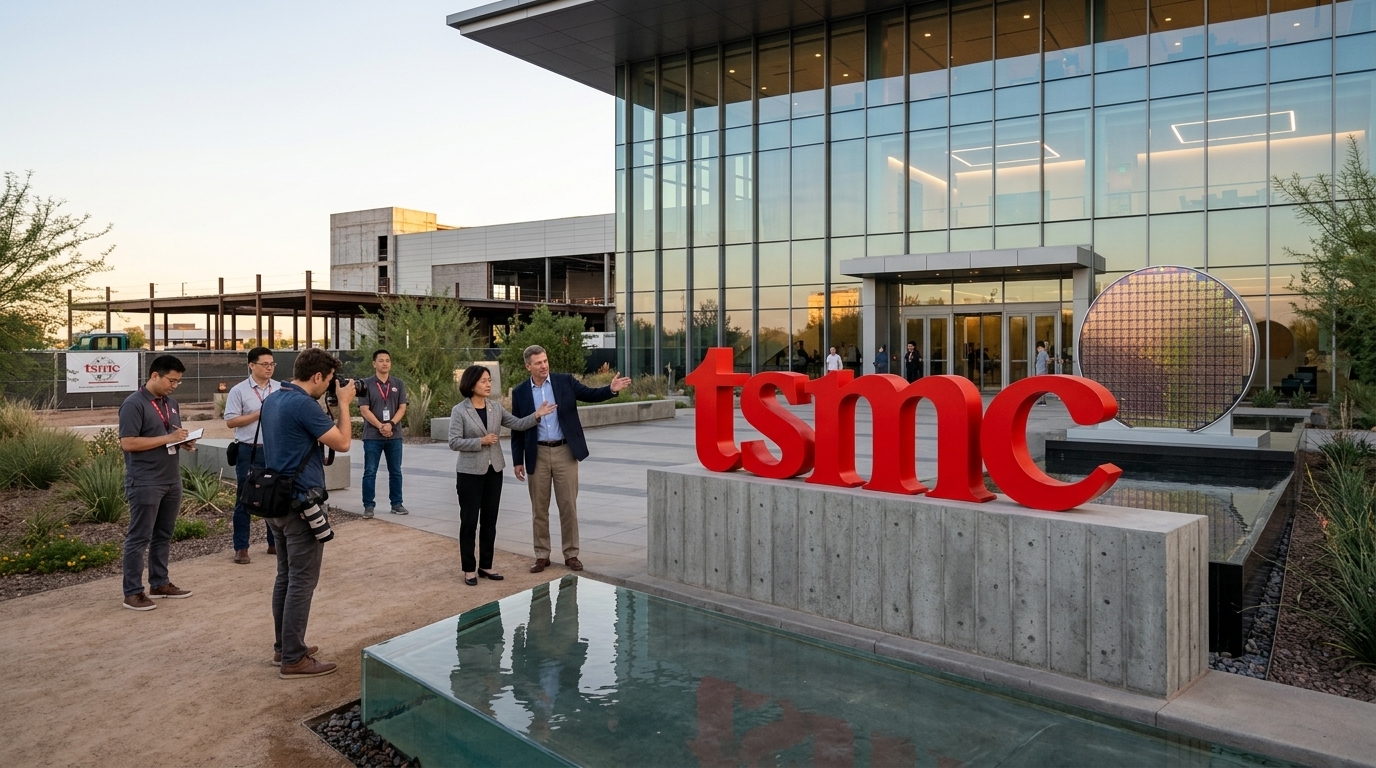
Despite the advantages, semiconductor design is an extremely risky and expensive endeavor. It requires billions in research and development, as well as access to advanced manufacturing foundries like TSMC in Taiwan. A small design flaw can render an entire generation of chips useless, causing massive financial losses. Furthermore, the global shortage of specialized semiconductor engineers makes the competition for talent even fiercer.
"The era of buying generic compute is over. To lead in AI, you must own the stack from the transistor to the transformer model." — Industry Analyst, 2026
In conclusion, the move toward custom silicon is not just a cost-cutting measure. It is a declaration of sovereignty. In the world of 2026, whoever controls the silicon controls the future of intelligence. ByteDance and other tech giants are no longer just buying the future; they are manufacturing it in their own labs.
Implications for the Global Market
As these custom chips become more prevalent, we may see a fragmentation of the AI market. If every major player uses proprietary hardware, the portability of AI models could decrease, creating "walled gardens" of compute. This benefits the incumbents but could stifle smaller startups that cannot afford to build their own silicon. The next phase of the AI revolution will be fought in the cleanrooms of chip factories as much as in the lines of code.