In an era where Artificial Intelligence (AI) has already transformed the digital landscape, Nvidia, under the leadership of visionary CEO Jensen Huang, is turning its gaze toward the physical world. The recently announced partnership with the South Korean giant LG Group is more than just a business deal; it is a strategic pivot aimed at dominating 'Embodied AI.' This alliance focuses on two central pillars: the development of advanced humanoid robots (androids) and the next generation of data centers, which will serve as the 'intelligence factories' of the future.
The Age of Androids: From Screens to Reality
For Nvidia, the future of robotics is not limited to industrial arms performing repetitive tasks. The collaboration with LG aims to create humanoid robots capable of interacting with human environments naturally and safely. LG, with its vast experience in home appliances and consumer technology, provides the ideal testing ground and the manufacturing scale required to bring these machines to the mass market.
The key to this endeavor is Nvidia’s Project GR00T, a foundation model for humanoid robots. These robots are trained within Nvidia’s Omniverse—a digital twin environment where they learn to move and perceive the world through simulation before they are even built. LG, for its part, is integrating this technology into its 'Smart Home' systems, envisioning a world where a robot assistant is not just a futuristic trope but an essential tool for daily chores, elderly care, and home management.
Data Centers: The New Temples of Computing Power
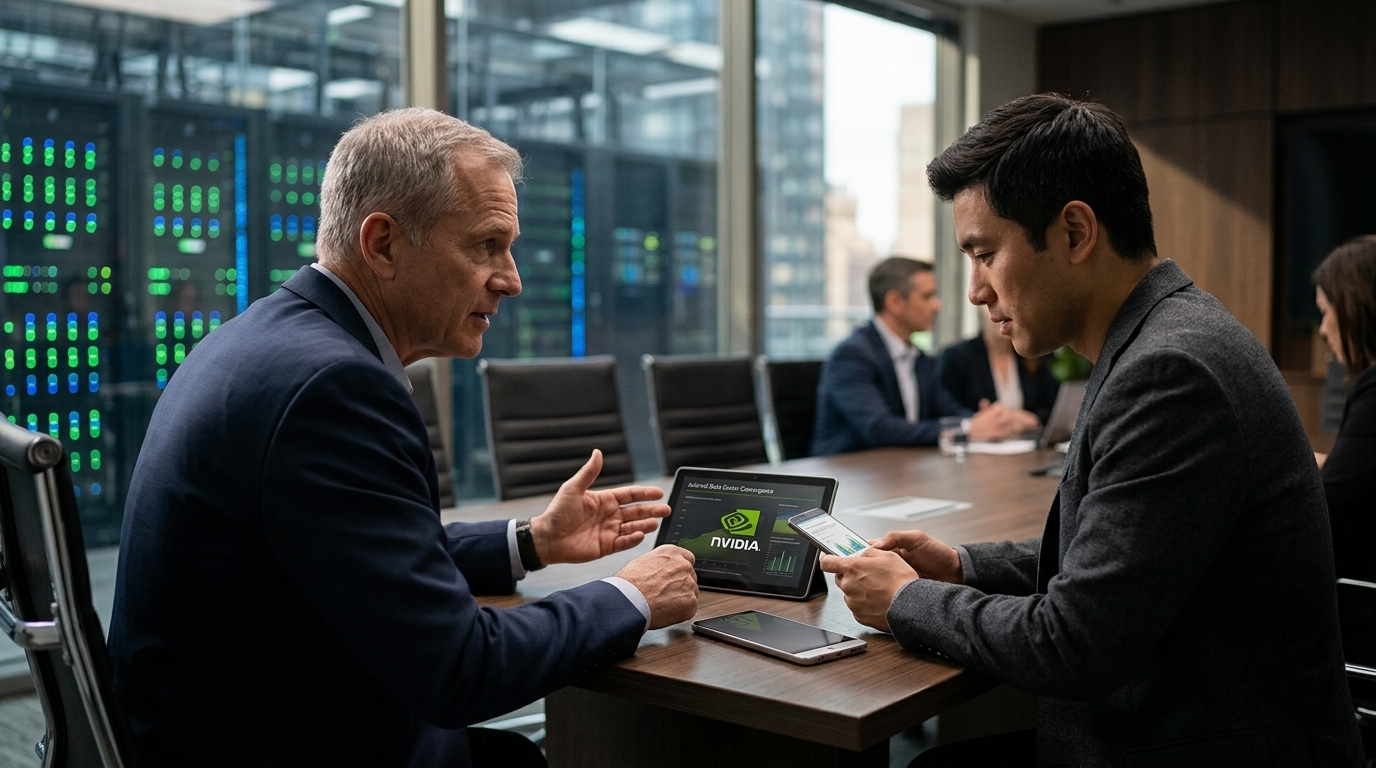
Parallel to robotics, Nvidia is reinforcing its dominance in the backbone of the digital economy. The new data centers being developed in collaboration with LG will not merely be storage facilities but dynamic processing hubs that support the continuous learning of robots and AI systems. Nvidia brings its Blackwell architecture—and soon, Rubin—to the table, offering computational power that seemed inconceivable just a few years ago.
LG Electronics and LG CNS will leverage these systems to optimize their own supply chains and offer AI-as-a-Service to third-party clients. This strategy addresses the growing demand for edge computing, where response speed is critical, especially for autonomous systems and robotics that must react in fractions of a second. The integration of high-performance cooling systems and energy-efficient designs, areas where LG excels, will be vital for the sustainability of these massive infrastructures.
Geopolitical and Economic Implications
This move also carries deep geopolitical weight. Amidst ongoing tensions in US-China relations, strengthening ties with South Korea is a calculated move to fortify Nvidia’s supply chain. LG is a reliable partner with expertise in semiconductor manufacturing and displays, as well as access to critical global markets. Furthermore, Nvidia is seeking to diversify its revenue streams, reducing its reliance on hyper-scalers like Google and Amazon, who are increasingly developing their own in-house AI chips.
- Boosting production capacity through LG’s global manufacturing footprint.
- Creating an ecosystem where hardware and software are perfectly harmonized.
- Expanding AI from the cloud into domestic and industrial appliances.
"The next wave of AI is Physical AI. Robots that understand the laws of physics and can work alongside us," Jensen Huang stated during the announcement.
In conclusion, the Nvidia-LG partnership signals the end of the era where AI was confined to screens and chatbots. With the power of next-gen data centers and the versatility of androids, we are entering a new reality where technology gains a body, movement, and a tangible presence in our lives. The stakes are high, but these two giants appear to hold the necessary cards to win this epoch-defining bet.