June 1, 2026, will likely be recorded as the date the architecture of personal computing changed forever. Nvidia, the undisputed sovereign of artificial intelligence in data centers, has officially announced its entry into the Windows laptop processor market. This move is not merely a product expansion; it is a full-scale assault on the strongholds of Intel and AMD, promising to bring the power of ARM-based processing and the Blackwell architecture directly into the hands of consumers.
The Strategic Shift to ARM
For decades, the "Wintel" alliance (Windows and Intel) defined the personal computer. However, Apple’s success with its M-series chips proved that the ARM architecture can deliver superior performance-per-watt, ensuring massive battery life without sacrificing power. Nvidia, leveraging its expertise from the Grace server CPUs, introduced a processor that combines high-performance ARM cores with an integrated graphics unit (iGPU) based on its next-generation graphics technology.
The new chip, codenamed "Aether," does not just target gamers. It is aimed at professionals who require local AI processing. With an integrated NPU (Neural Processing Unit) exceeding 100 TOPS (trillion operations per second), Nvidia is setting a new benchmark for what Microsoft calls the "Copilot+ PC." The ability to run Large Language Models (LLMs) locally, without the need for a cloud connection, is the company's central sales pitch.
Competition and the Decline of Traditional Powers
Market reaction was instantaneous. Shares of Intel and AMD faced pressure as analysts predict a rapid erosion of their market share in high-end laptops. Intel, which has been struggling to regain its technological lead with its Lunar Lake series, now faces an opponent with nearly unlimited resources and ecological dominance in AI software through CUDA.
According to supply chain sources in Taiwan, Nvidia has already secured partnerships with leading manufacturers such as Dell, HP, and Lenovo. These OEMs are desperately looking for something to revitalize PC sales, which have remained stagnant since the pandemic. The promise of a laptop that has the battery life of a MacBook but the ability to run the full Windows ecosystem and the most demanding AI tools is extremely attractive.
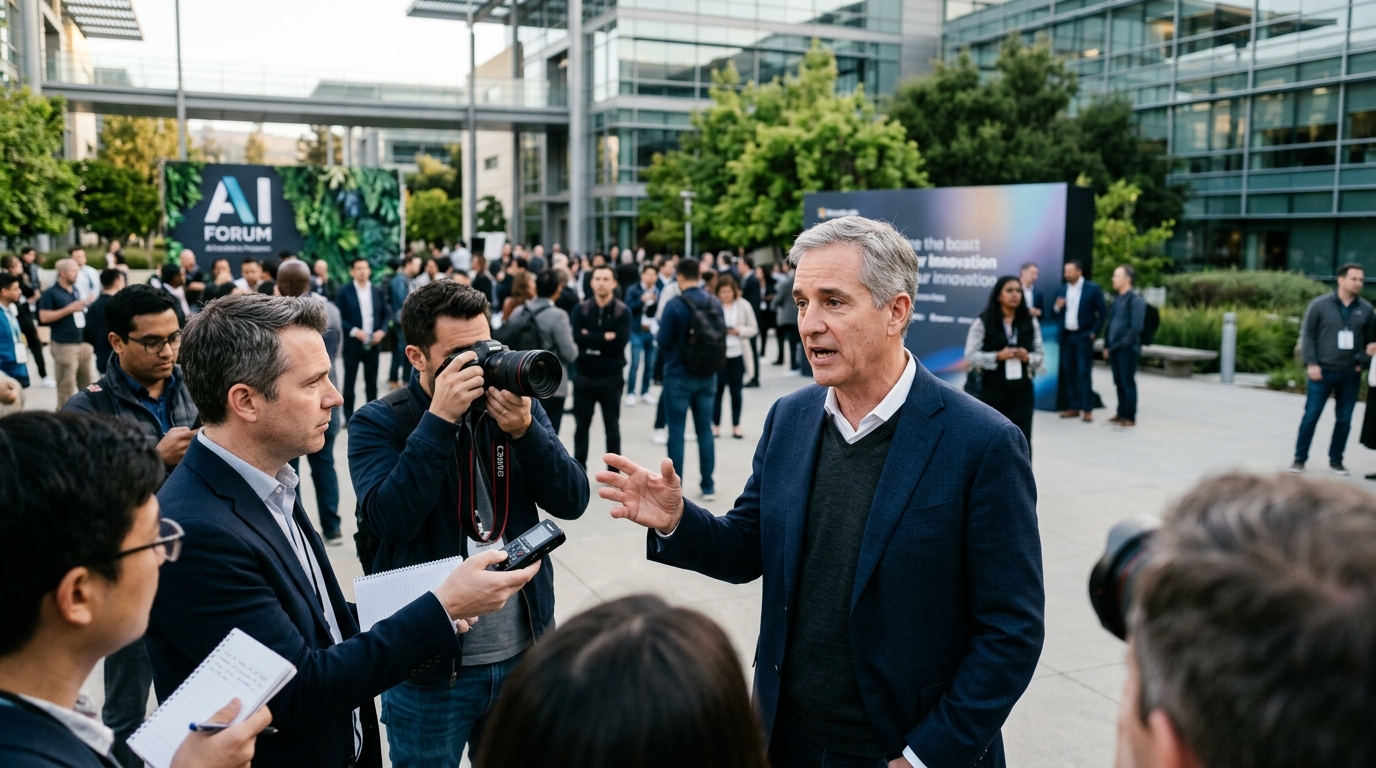
"We are not just building a processor; we are redefining the personal computer as a personal AI station," said Jensen Huang during the keynote.
Challenges and Software Compatibility
Despite the excitement, the path is not without obstacles. The biggest issue for ARM processors on Windows has always been app compatibility. Although Microsoft has significantly improved its emulation layer (Prism), many legacy x86 applications may not run at optimal speeds. However, Nvidia is betting on the fact that the future of software is "AI-native." If the most important productivity and creative apps migrate to ARM, the x86 legacy will soon become irrelevant.
Furthermore, Nvidia must prove it can manage the thermal behavior of its chips in thin and light chassis. While it is the king of performance in data centers where cooling is industrial-grade, the laptop requires a much more refined approach. Using TSMC’s 3nm technology is a step in the right direction, but the real test will come in the reviews from early adopters in the fall of 2026.
Economic Footprint and the Road Ahead
Nvidia’s entry into the PC market is expected to reshuffle the profit deck in the semiconductor industry. With profit margins envied by all of Silicon Valley, Nvidia can afford a price war to gain market share, though its strategy seems to focus on the premium segment. For the consumer, this means more choices, but potentially higher prices for top-tier models.
On a geopolitical level, this move reinforces the PC market's dependence on US design technology and Taiwanese manufacturing, at a time when China is trying to develop its own alternatives. Nvidia is no longer just selling graphics cards; it is selling the brain of the modern computer. If the bet pays off, Intel may find itself in a position similar to that of IBM decades ago: a giant of the past watching the future being written by others.