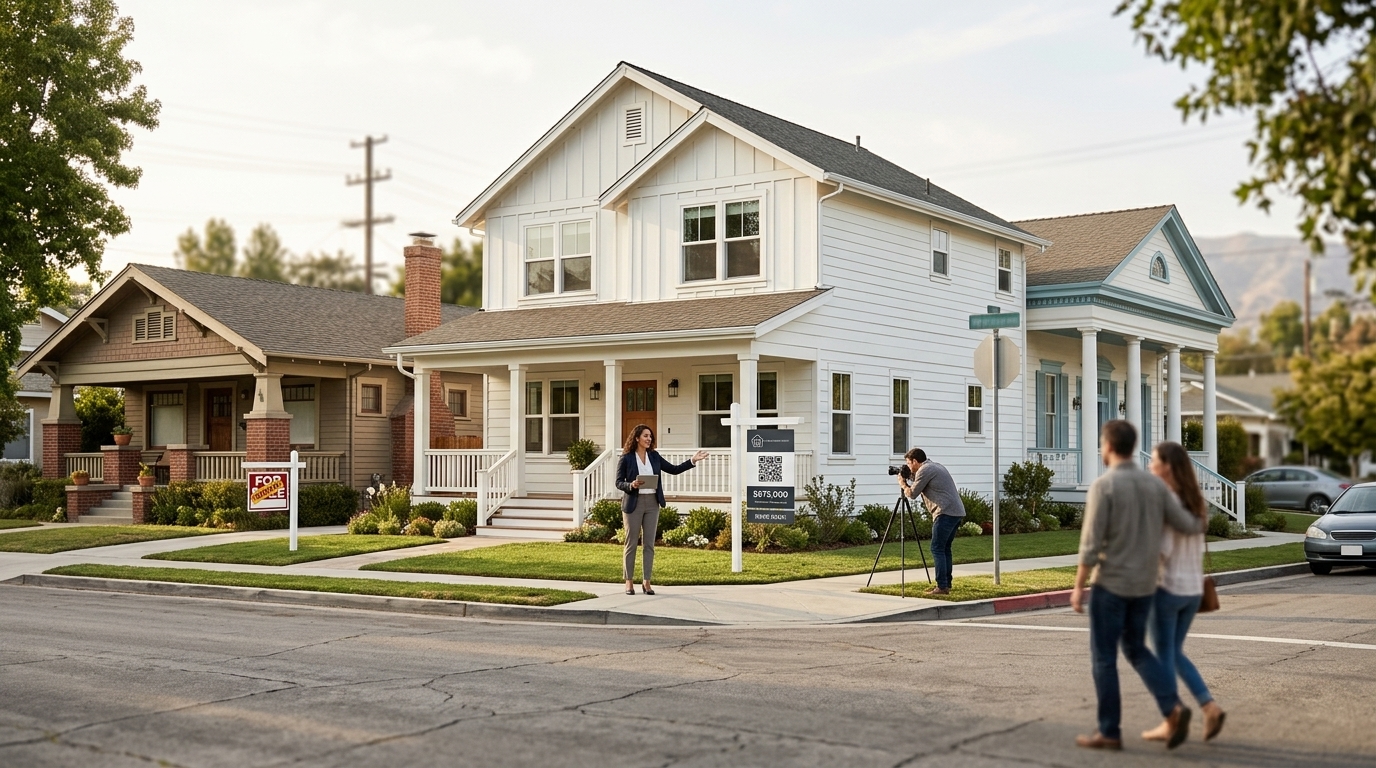
In a strategic move set to redefine the digital real estate landscape, Google has announced a significant expansion of its Local Services Ads (LSAs) for the housing market. This update isn't merely a cosmetic change to ad formats; it represents a structural shift in how prospective homebuyers interact with data and real estate professionals. Moving forward, users searching for homes in specific locales will no longer just see a list of agent names; they will be presented with rich property listings—complete with high-resolution imagery, pricing, and key specifications—enabling them to contact an agent directly from the search results page.
The Strategy of Frictionless Discovery
The core philosophy driving this update is the elimination of 'friction' in the home-buying journey. In the traditional digital model, a user would start at a search engine, click through to a major portal like Zillow or Redfin, browse listings, and then navigate a secondary contact system to reach a professional. Google, leveraging its dominance in the search ecosystem, is effectively collapsing this funnel. By integrating Multi-Listing Service (MLS) style data directly into the SERP (Search Engine Results Page), Google provides immediate value, ensuring that the critical details—square footage, address, and price—are visible at the moment of highest intent.
For real estate agents, this evolution presents both a golden opportunity and a rigorous demand for transparency. Local Services Ads operate on a foundation of trust, often backed by the 'Google Screened' badge, which verifies the professional's credentials. Integrating live listings into these ads means agents are no longer just marketing their personal brand; they are marketing their inventory in real-time. Early data suggests that ads featuring specific, tangible properties see significantly higher engagement and conversion rates compared to generic branding efforts, as they satisfy the user's immediate curiosity.
Disrupting the Gatekeepers
Google’s foray deeper into real estate listings cannot be viewed in isolation from its competition with established real estate portals. For over a decade, these platforms have relied on organic search traffic from Google to fuel their lead-generation machines. Now, Google is essentially 'short-circuiting' that path. This move poses an existential question for third-party portals: What is their value proposition when the internet’s primary gateway becomes the inventory catalog itself?
- Direct Connectivity: The 'Click-to-Call' or 'Click-to-Message' features within the ad reduce the lead response time to seconds.
- Real-Time Accuracy: Listings are synced frequently, ensuring that buyers are not frustrated by seeing properties that have already been sold.
- Localized Authority: The algorithm prioritizes agents with a proven track record and proximity to the searcher's area of interest.
The Human Element in an Algorithmic Market
Despite the technological sophistication, the purchase of a home remains one of the most personal and emotionally charged decisions a human can make. Google appears to recognize this, which is why the focus remains on connecting the buyer with a human agent rather than an automated bot. While AI can filter prices and locations, the nuances of negotiation, neighborhood character, and legal complexities require human expertise. The new ad formats aim to bridge this gap, using data to establish the initial connection while leaving the complex relationship-building to the professionals.
"Technology isn't replacing the real estate agent; it's forcing the agent to become more efficient, more visible, and more responsive," notes a senior industry analyst.
In conclusion, Google’s enhanced LSAs mark a pivotal moment in 2026. The real estate market is transitioning from an 'information search' phase to an 'immediate connection' phase. Professionals who adapt to this ecosystem, embracing the transparency and speed of Enhanced LSAs, will likely secure a dominant position. The future of real estate is increasingly local, intensely digital, and above all, instantaneous.