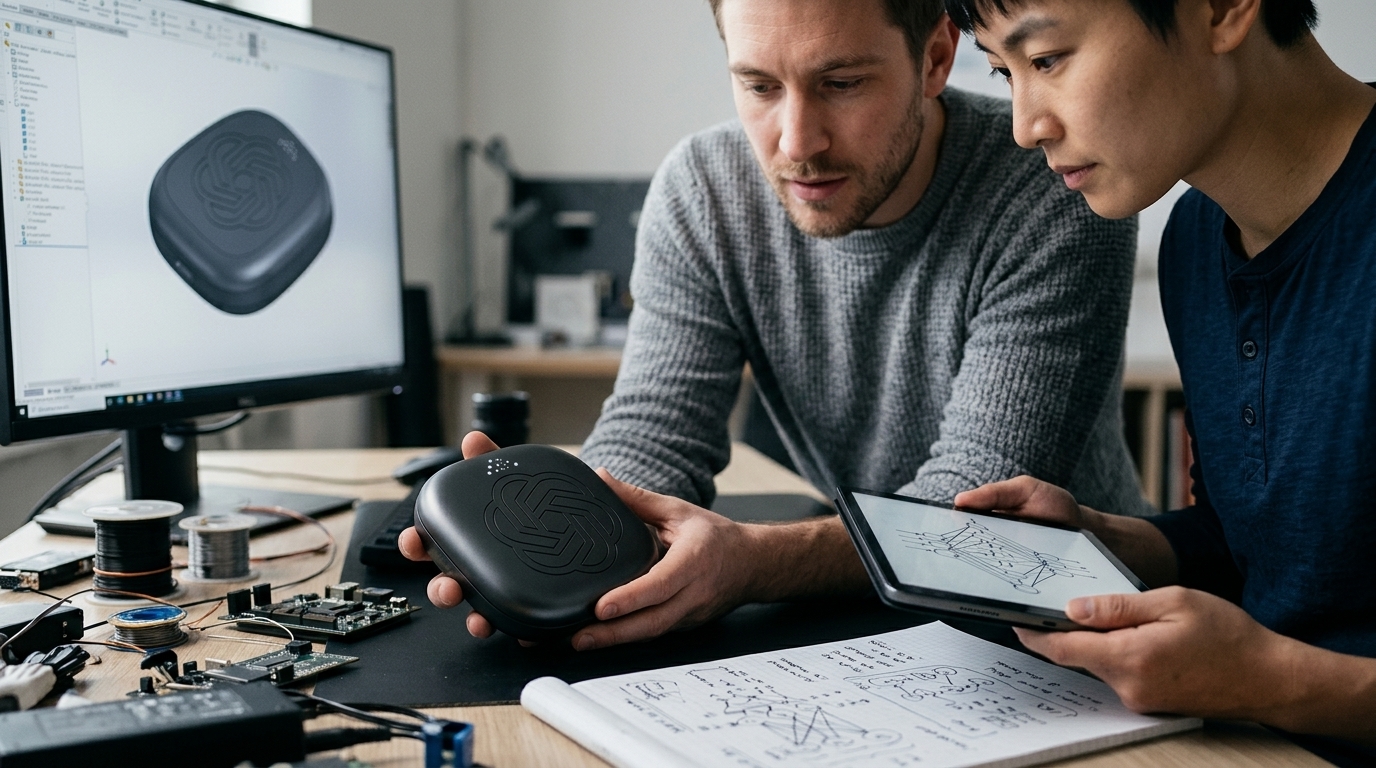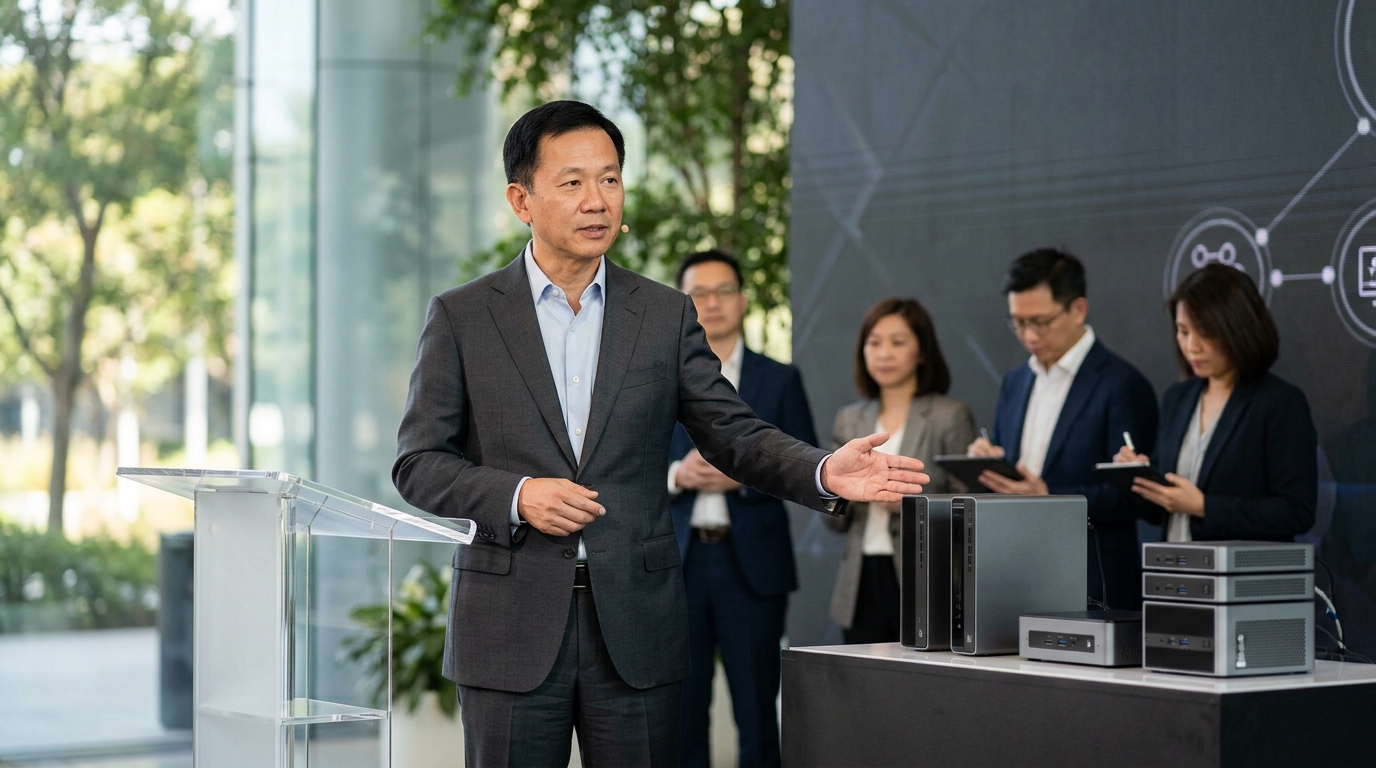
In a move that signals the dawn of a new era for personal and enterprise computing, CTONE Group officially unveiled its new AI strategy and the groundbreaking "Agent Computer" series in Bangkok. This announcement, made during a major business summit in Thailand, is not merely about launching new hardware; it is about redefining the fundamental relationship between humans and machines.
The Transition from AI PC to Agent Computer
While the market has been flooded over the past year with the term "AI PC," CTONE Group seeks to differentiate itself by introducing the concept of the "Agent Computer." The difference is subtle but profound: while an AI PC possesses the necessary processing units (NPUs) to run local AI models, the Agent Computer is designed to act proactively. It does not simply wait for user commands; it understands the context of tasks, suggests solutions, and executes complex workflows autonomously.
CTONE's new line of computers integrates a proprietary AI-based operating system capable of coordinating multiple "agents." These agents can handle everything from managing emails and scheduling meetings to writing code and analyzing data in real-time, without the user needing to switch between different applications.
Strategic Focus on Southeast Asia
The choice of Thailand for the unveiling of this strategy is no coincidence. Southeast Asia is becoming a critical hub for the global technology supply chain, as Chinese tech giants seek new markets beyond China's borders and the restricted Western markets. CTONE is investing in local data centers and partnerships with Thai businesses, aiming to make the region a model for the adoption of "Agentic AI" technology.
According to company executives, their strategy is built on three pillars: local processing (Edge AI) for privacy protection, an open architecture for integrating third-party LLM models, and personalization of the user experience through continuous learning. This approach stands in direct contrast to the closed ecosystems of American companies, offering an alternative that focuses on user data sovereignty.
Technical Specifications and Innovation
The new Agent Computers are equipped with the latest generation of processors featuring dedicated NPUs with performance exceeding 50 TOPS (Trillions of Operations Per Second). This allows for the execution of Large Language Models (LLMs) with billions of parameters directly on the device, eliminating latency and the need for a constant cloud connection.
- Autonomous system resource management for battery optimization.
- Built-in "Digital Twin" that learns user habits.
- Advanced security systems that monitor data flow to the AI.
Furthermore, CTONE introduced a new User Interface (UI) that abandons traditional windows and icons in favor of an interface based on natural language and visual elements generated dynamically according to the task at hand.
Social and Economic Dimensions
The introduction of Agent Computers is expected to reshape the labor market. As machines take on more complex tasks, the need for human intervention shifts from execution to supervision and strategic decision-making. CTONE claims its technology will increase the productivity of small and medium-sized enterprises in Thailand by 30% over the next two years.
However, challenges remain. Reliance on AI for daily tasks raises questions about intellectual inertia and data security. CTONE addresses these concerns with a commitment to "Transparent AI," where the user can at any time inspect the reasoning behind their digital agent's actions.
Conclusion: Towards a New Computing Paradigm
CTONE Group's move in Thailand sends a clear message to global competitors: the computer as a "tool" is dying. In its place, a digital partner is being born that lives and breathes through our data, offering an experience that was until recently the stuff of science fiction. The success of this strategy will depend on the company's ability to persuade users to trust the autonomy of their devices.