For decades, the image of the successful CEO was inextricably linked to a rigid schedule: endless meetings in wood-panneled boardrooms, thousands of unread emails, and a constant state of "multi-tasking" that was often confused with productivity. However, as we move through 2026, the global business landscape is at a tipping point. The rise of Artificial Intelligence and the need for lightning-fast decision-making have birthed a new generation of "heretic" leaders who are dismantling the rules of traditional management, led by NVIDIA’s Jensen Huang.
The Jensen Huang Philosophy: No Meetings, Just Information
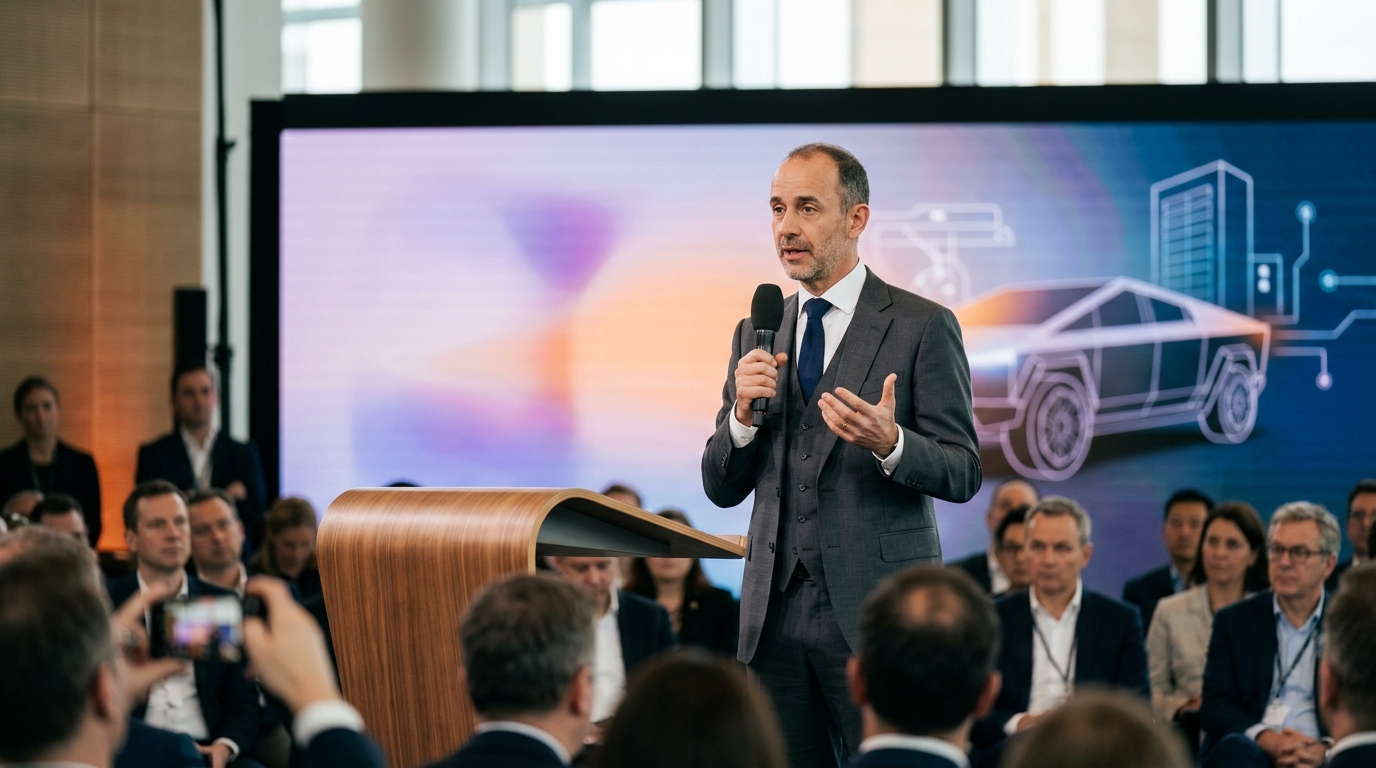
Jensen Huang, the man behind NVIDIA’s meteoric rise to the top of global market capitalization, is not your typical chief executive. His approach to management is characterized by a radical rejection of bureaucracy. Unlike the traditional model where information is filtered through successive layers of management, Huang prefers a "flat" structure. It has been reported that he has over 50 direct reports—a move that would be considered managerial suicide in any standard MBA textbook.
For Huang, meetings are often a waste of time. Instead of scheduled status updates, he prioritizes immediate communication. "I don't do 1:1s," he has stated, explaining that if information is important, it should be shared with the whole team simultaneously. This transparency prevents the creation of silos and accelerates learning across the organization. At NVIDIA, hierarchy is not used to control information but to organize action. This model allows the company to move with the speed of a startup, despite the trillions of dollars it represents.
The "Founder Mode" Revolution and the Death of Email
This trend is not limited to NVIDIA. The term "Founder Mode," coined by Y Combinator’s Paul Graham, describes exactly this need for leaders to remain deeply involved in the details of their business, ignoring the advice of "professional managers" who preach delegation and detachment. Elon Musk is famous for his tactic of asking employees to leave a meeting if they feel they aren't adding value, while Jeff Bezos famously banned PowerPoint at Amazon in favor of six-page written memos, read in total silence at the start of every meeting.
Simultaneously, we are seeing a growing aversion to email. Many CEOs now view their inbox as a list of priorities set by others. They utilize platforms like Slack or internal AI tools that summarize critical communications, allowing them to focus on strategic thinking rather than correspondence management. The logic is simple: if you are constantly busy responding, you have no time to envision the future.
Biohacking and the Strategy of Recovery
Perhaps the most intriguing shift concerns physical health and mental clarity. Arianna Huffington, following her own collapse from exhaustion, became the "evangelist" of sleep in Silicon Valley. Today, it is not uncommon for top executives to incorporate power naps into their workday. The science is clear: a twenty-minute nap can reboot cognitive functions far more effectively than a third cup of coffee.
Other leaders are investing in biohacking, from intermittent fasting to cold plunges (ice baths) and the use of biometric tracking devices. Jack Dorsey, former CEO of Twitter, was known for his rigorous diet and exercise regimen. The goal is not vanity, but the optimization of the human brain's "operating system." In a world where a CEO's decisions can swing billions of dollars, mental fatigue is considered the greatest risk to the enterprise.
The Cultural Impact and the Future of Work
While these practices might seem eccentric, they represent a fundamental shift in how we value human labor in the age of AI. If machines can handle the routine, the human leader's primary job is to provide unique insight and high-stakes judgment. This requires a rested, focused, and unencumbered mind.
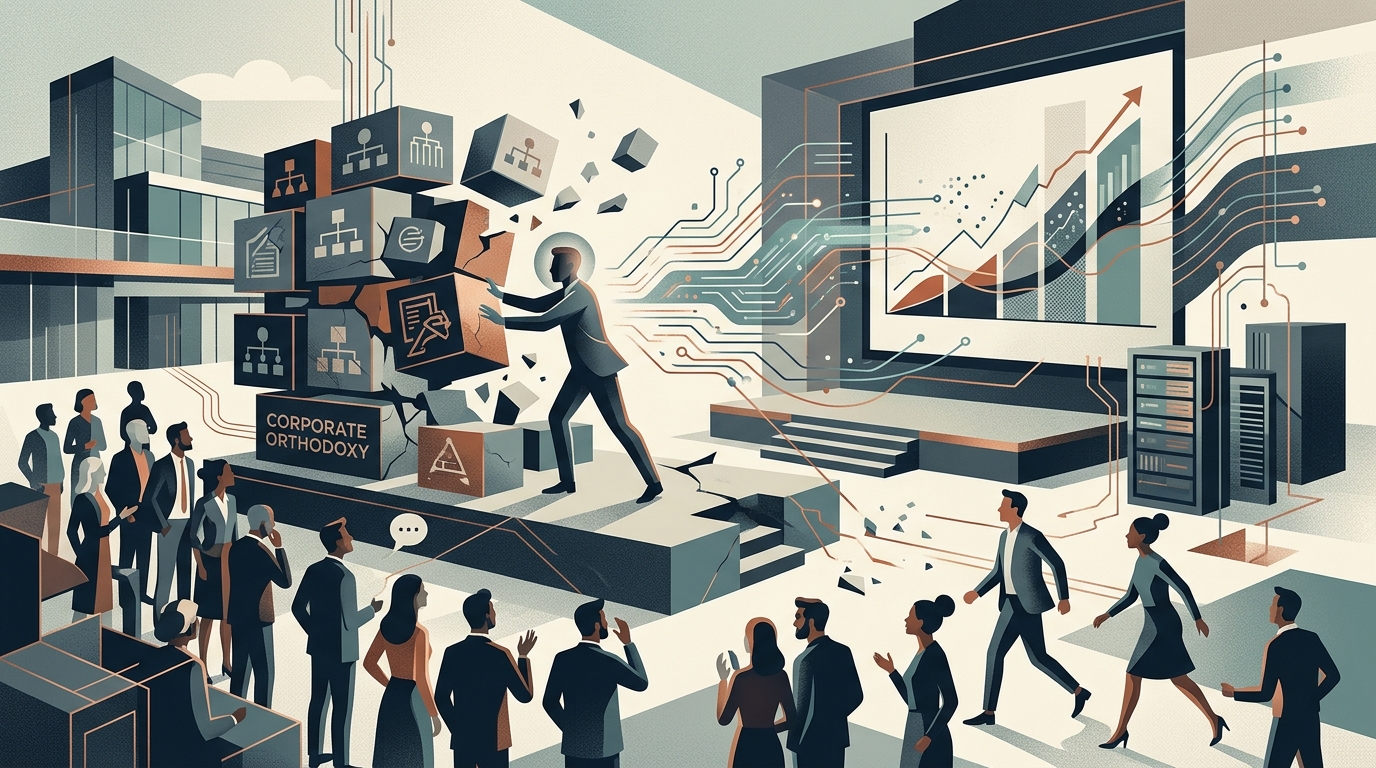
The challenge for the broader corporate world is how to scale these "rule-breaking" behaviors. While a CEO can afford to skip meetings, can their middle managers do the same? The answer lies in a shift from a culture of "presence" to a culture of "output." The leaders who are breaking the rules are teaching us that efficiency isn't found in conforming to old standards, but in having the courage to design a daily routine that serves creativity and decisive action. NVIDIA didn't succeed by following the manual; it succeeded by burning it and writing its own, tailored for the age of intelligence.