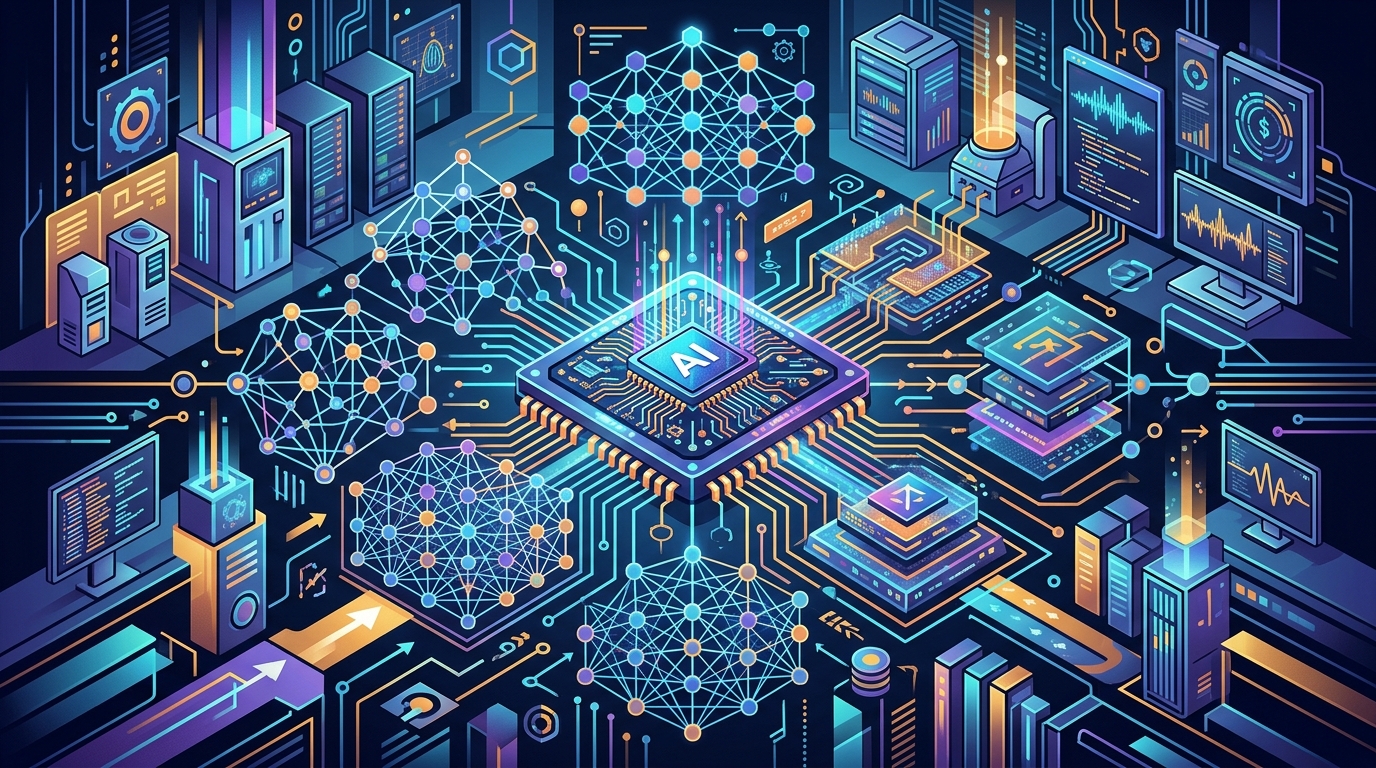
Apple's history has always been a journey between luxury and technological innovation. However, as we move through the summer of 2026, the Cupertino giant faces a new reality: the integration of Apple Intelligence across its entire device lineup is no longer an option, but a necessity accompanied by a heavy financial toll. Recent reports from the Asian supply chain confirm what many analysts feared: the next iPhone will be the most expensive in the company's history.
The Architecture of Cost: Why AI Demands Expensive Hardware
Artificial Intelligence, in its on-device form, requires immense computational power and, crucially, RAM. While for years Apple managed to deliver top-tier performance with less memory than its Android competitors, the advent of Apple Intelligence has shifted the paradigm. Large Language Models (LLMs) running locally on a device require at least 8GB to 12GB of RAM as a baseline, which significantly increases the production cost of even the base models.
Furthermore, manufacturing A-series processors at TSMC using the latest 2nm and 3nm lithographies has become exceptionally costly. To maintain the profit margins demanded by Wall Street shareholders, Apple appears to be passing these costs onto the end consumer. This is no longer a simple inflation-driven price hike, but a 'technological superiority tax'.
Ecosystem Strategy and the Compulsion to Upgrade
Apple Intelligence serves as the ultimate leverage for fleet renewal. With millions of users holding onto their iPhones for 4 or 5 years, the company needed a powerful incentive to convince the public to upgrade. The AI features offered exclusively on the newer models are not just 'features' anymore; they are the new way of interacting with the iOS operating system. From smart email management to a fully revamped Siri that understands the user's personal context, the experience of using an iPhone without AI is beginning to feel obsolete.
- Increased semiconductor costs due to high demand for AI-specific chips.
- Need for larger batteries and advanced thermal management systems.
- Integration of next-generation specialized Neural Processing Units (NPUs).
These changes do not only affect the iPhone Pro but also the base model, which is now forced into a price bracket previously reserved for flagships. Markets in Europe are expected to feel this pressure more acutely, as exchange rates and import duties often inflate final retail prices.
The Consumer at a Crossroads
The question remains whether the average consumer is willing to cross the psychological threshold of $1,000 or $1,100 for a base smartphone model. Apple is betting on its audience's brand loyalty and the convenience of trade-in programs and financing options. However, competition from China and Google’s Pixel series now offer similar AI capabilities at often lower price points, creating a dynamic environment where Apple can no longer rest on its laurels.
"Artificial intelligence is no longer an add-on; it is the core of the hardware itself. When intelligence costs silicon, it will cost dollars," notes a senior tech market executive.
In conclusion, the increase in iPhone prices due to AI is a strategic choice reflecting the true cost of innovation. Apple Intelligence promises to make our lives easier, but entry into this new digital world requires a deeper pocket than ever before. Whether the value provided by AI justifies the cost is something that will be determined by the sales figures of the coming autumn.