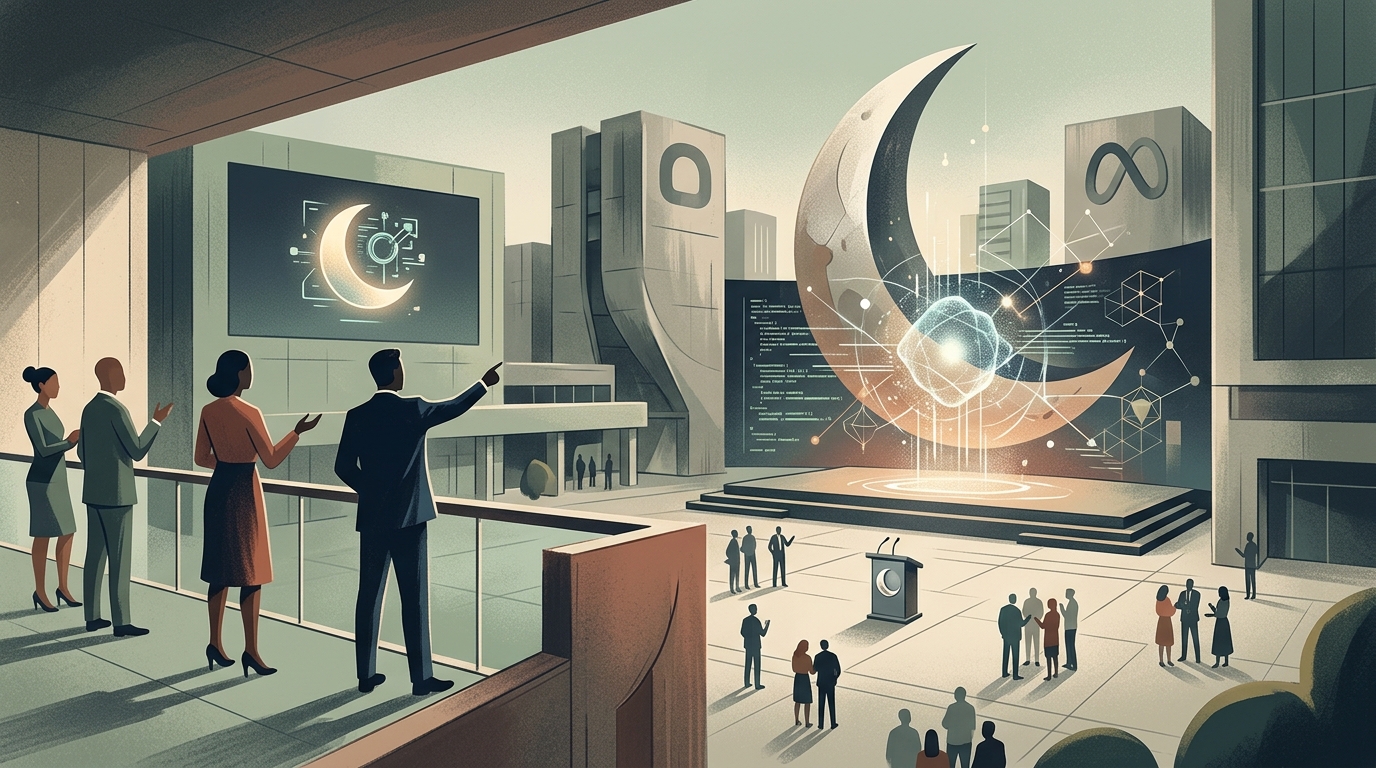
When siblings Dario and Daniela Amodei left OpenAI in 2021 to found Anthropic, they did so with a mission that felt almost religious: to save humanity from the potential existential threats of Artificial Intelligence. Today, Anthropic is no longer a small research lab but a Silicon Valley giant with a multi-billion dollar valuation and the backing of titans like Amazon and Google. However, its core philosophy remains the same, albeit with a new, more controversial dimension: Anthropic believes that the only way to ensure global AI safety is for it to dominate the market.
The Paradox of Safety Through Dominance
Anthropic's strategy is built on a bold premise: if a company that does not prioritize safety wins the race for Artificial General Intelligence (AGI), the result could be catastrophic. Therefore, to prevent this scenario, Anthropic must develop the world's most powerful models faster than its competitors. This approach creates a paradox that many ethicists and analysts find hard to swallow. How can a company claim to seek a slowdown in dangerous development while simultaneously fueling the arms race with models like Claude 3.5 Sonnet?
“We aren't just trying to build a safe model. We are trying to show the industry what safety looks like in practice, and that requires being at the top of the technological pyramid,” company executives suggest.
This “safety through power” is not just a theory. It is the foundation upon which Anthropic builds its business alliances. For the company, accumulating resources and gaining market share is not an end in itself, but a necessary “evil” to maintain the right to set the rules of the game.
Constitutional AI: The Digital Constitution
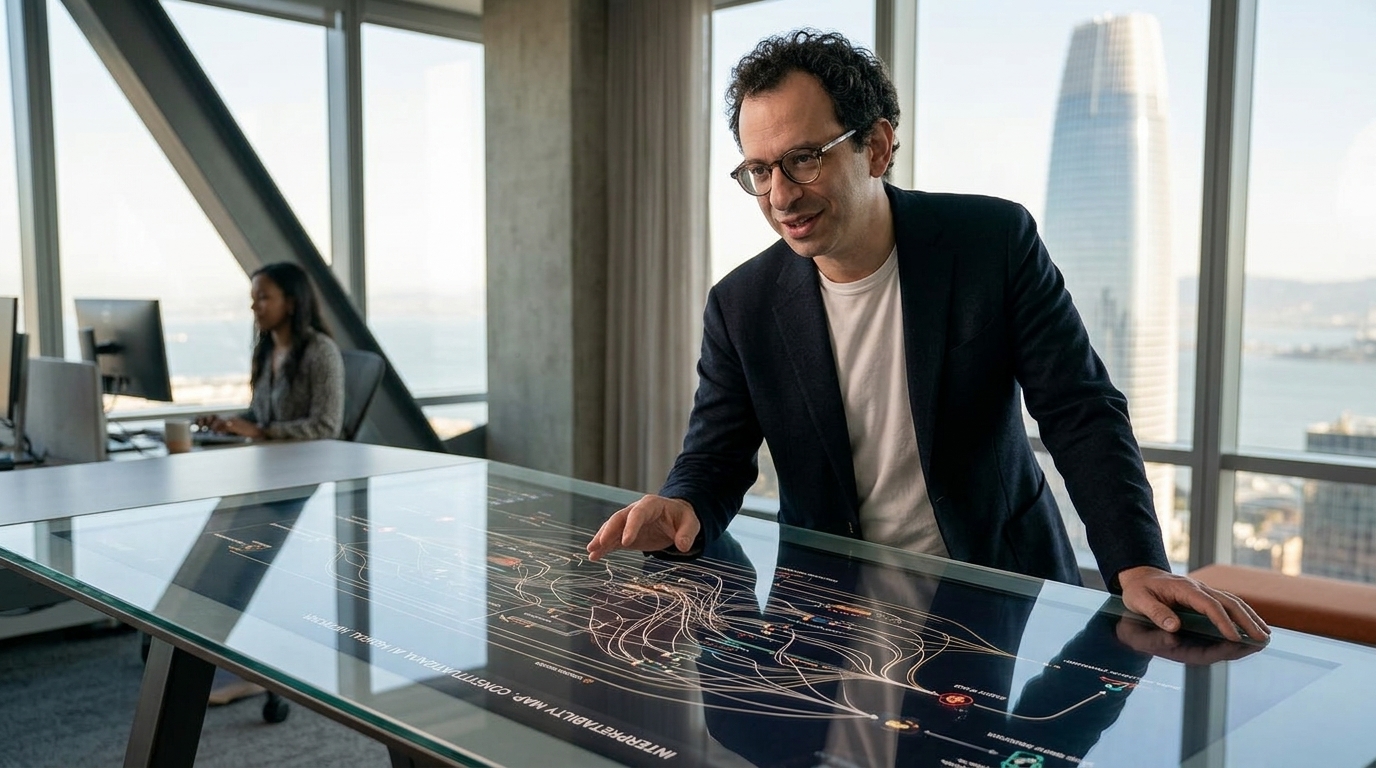
At the heart of Anthropic's technical approach is “Constitutional AI.” Unlike OpenAI, which relies heavily on Reinforcement Learning from Human Feedback (RLHF)—a process that is often subjective and difficult to scale—Anthropic trains its models using a set of written principles. The model “self-corrects” by comparing its responses to this digital constitution, which includes principles ranging from the Universal Declaration of Human Rights to rules against manipulation.
- Safety Autonomy: The model learns to recognize dangerous instructions without the need for constant human supervision.
- Transparency: The principles of the “constitution” are public, allowing for scrutiny by civil society.
- Scalability: As models become smarter, the constitutional approach is considered more robust than human oversight.
However, critics point out that who writes this “constitution” remains the critical question. If Anthropic holds absolute power over the drafting of these rules, then AI safety becomes a matter of corporate governance rather than democratic consensus.
Investor Pressure and the PBC Model
Anthropic is organized as a Public Benefit Corporation (PBC), a legal form that allows it to balance profit with social benefit. Nevertheless, investments of $4 billion from Amazon and $2 billion from Google raise questions about its true autonomy. Tech giants do not invest such sums solely for “safety”; they seek returns and strategic advantages in their own cloud services.
Daniela Amodei has repeatedly stated that Anthropic remains true to its principles, but the market reality is harsh. The need for massive computing power (compute) means the company is inextricably linked to cloud providers. This dependence could in the future test Anthropic's resolve to “pull the plug” on a dangerous model if doing so meant massive financial losses for its partners.
Conclusion: Saviors or Monopolies?
The case of Anthropic highlights the greatest dilemma of our time: Can we trust a private company to act as the “guardian” of a technology that could change the course of history? Anthropic argues that its success is the only guarantee for a safe future. Skeptics see in this argument a classic case of “Silicon Valley messianism,” where the accumulation of power is presented as a moral imperative. Whether Claude will remain a benevolent digital assistant or become the tool of a new form of corporate authoritarianism remains to be proven by the company's actions in the coming critical years.