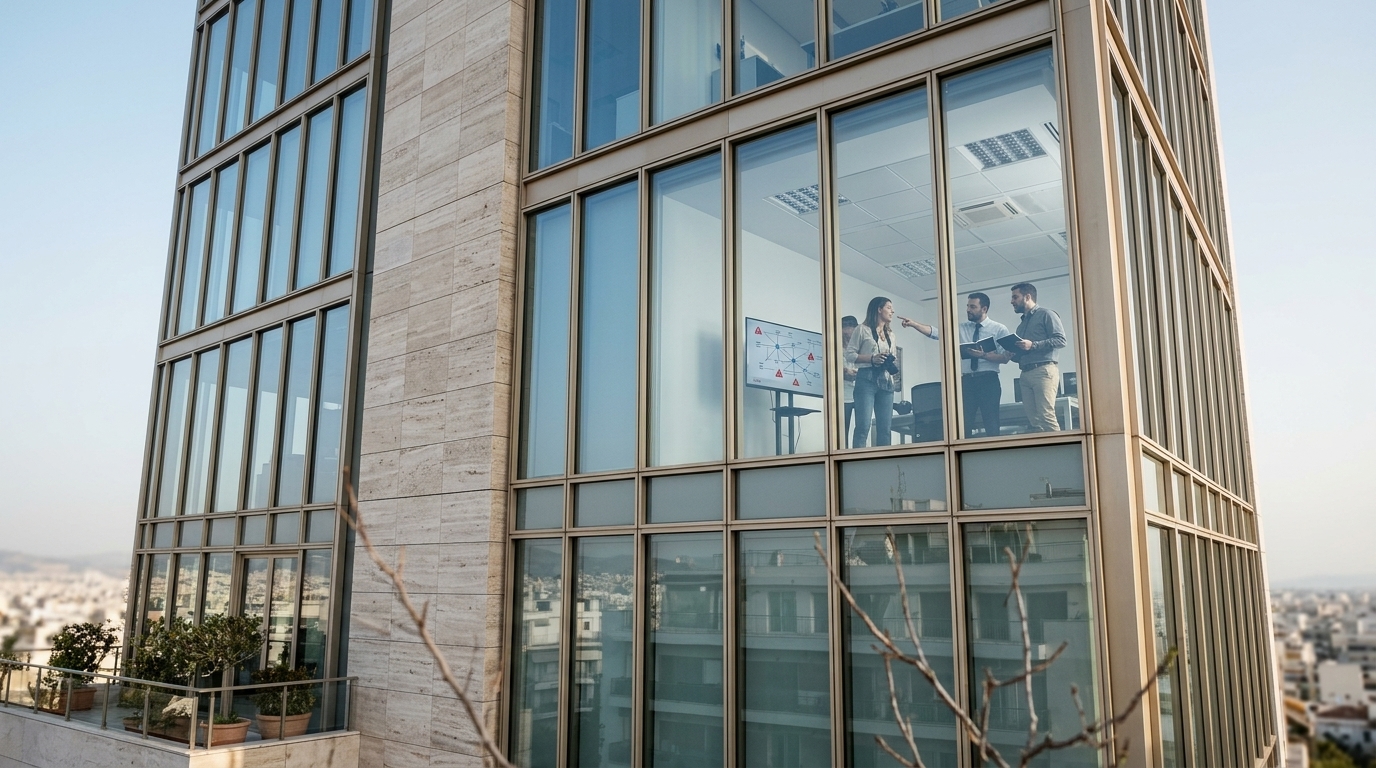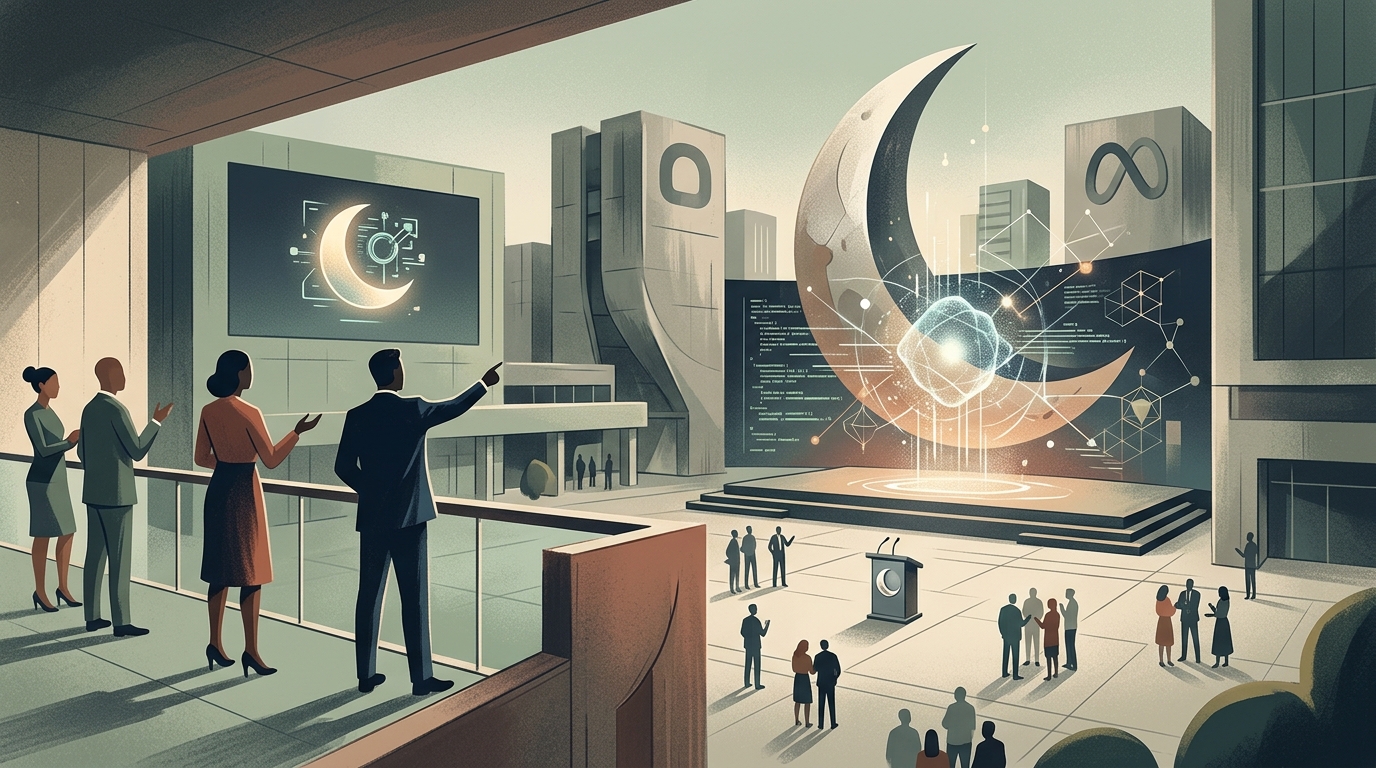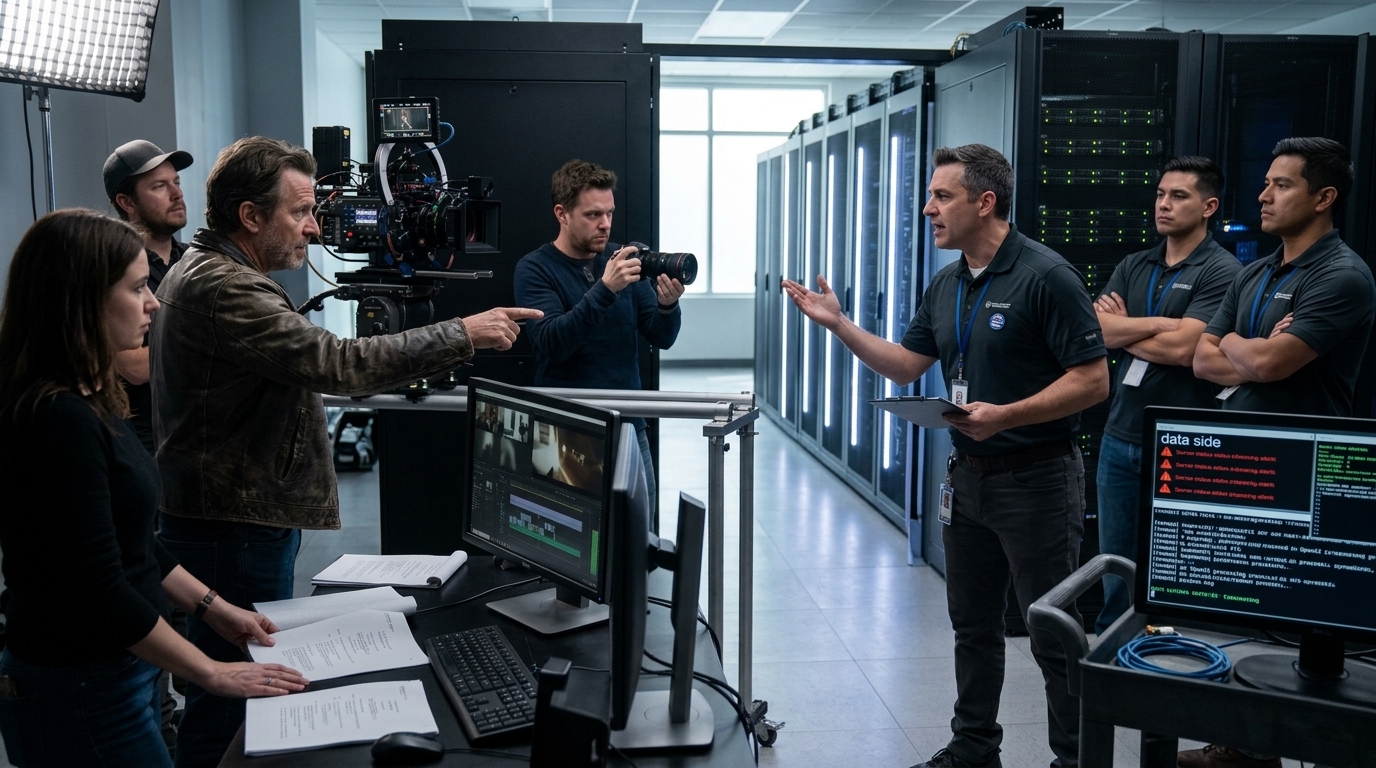
In mid-2024, the relationship between Silicon Valley and traditional power centers like Hollywood is entering a new, darker phase. The recent revelation that Amazon's MGM Studios decided to drop the production of a highly anticipated movie about OpenAI is not just a business decision; it is a symptom of the broader distrust surrounding Sam Altman's "empire." At the same time, Meta is once again under fire for leaking employee data, while the backbone of AI—data centers—is vibrating with protests from workers demanding humane working conditions.
The Fall of the OpenAI Myth in Hollywood
The OpenAI movie was intended to be an epic narrative of the company's rise, from a small non-profit lab to a global giant that changed the world. However, Amazon MGM Studios appears to have backed away due to the "toxicity" that has begun to surround the OpenAI brand. Following the successive departures of top scientists like Ilya Sutskever and Jan Leike, and allegations regarding model safety, OpenAI has ceased to be the media's "darling."
Hollywood, which traditionally loves visionaries, has begun to see in Sam Altman a figure more reminiscent of a controversial tycoon than a savior of humanity. The dispute with Scarlett Johansson over the "Sky" voice and the concerns of creators regarding the Sora tool have created a hostile atmosphere. The cancellation of the film marks the end of the "honeymoon" period between the AI industry and the entertainment industry. Producers now fear that a film celebrating OpenAI could be seen as propaganda for a technology that threatens artists' jobs.
The Unseen Side: The Data Center Revolt
While the AI discussion often focuses on algorithms and chatbots, the physical infrastructure of this technology is a harsh reality of concrete, cables, and human labor. In regions like Northern Virginia and Dublin, data center workers are beginning to organize against grueling working conditions. The need for 24/7 operation and the constant pressure to support LLMs (Large Language Models) have led to incidents of extreme fatigue and safety violations.
Workers are not just protesting for wages, but also for the environmental degradation of their areas. Noise from server cooling systems has become unbearable for neighboring communities, while massive water and energy consumption is causing local crises. This resistance represents a new challenge for companies like Amazon, Microsoft, and Google, which rely on the continuous expansion of these infrastructures to maintain their AI dominance.
Meta: The Security Paradox and Data Leaks
As if organizational challenges weren't enough, Mark Zuckerberg's Meta has once again found itself at the center of a data protection scandal. This time, the leak involved internal employee data, which was found exposed on dark web forums. The fact that a company investing billions in "safe AI" cannot protect its own staff's data highlights the deep gap between rhetoric and reality.
This leak includes names, addresses, and internal correspondence, exposing employees to phishing and social engineering risks. Analysts point out that such incidents undermine Meta's efforts to convince EU and US regulators that it is a trustworthy guardian of user data. In an era where trust is the most expensive currency, Meta seems to be morally bankrupt.
Conclusion: The End of Naivety
This triple crisis—the MGM film cancellation, the data center mobilizations, and the Meta leak—suggests that the period of AI's unchecked rise is ending. Society, workers, and creators are now demanding accountability. It is no longer enough to promise a bright future; you must prove that the present you are building is not broken. Artificial intelligence is no longer a futuristic promise, but an industrial reality with all the flaws and conflicts that accompany it.