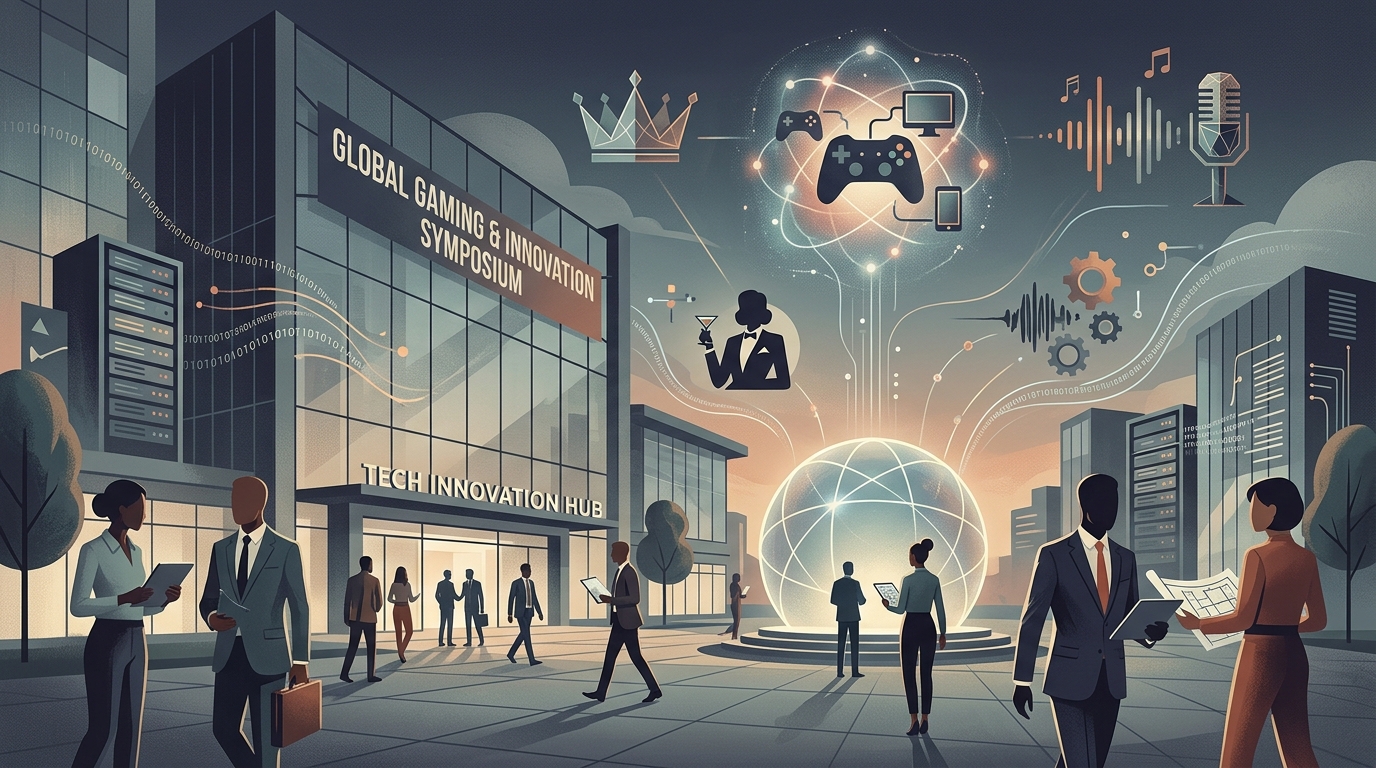
For over a decade, Amazon’s presence in the video game industry has felt like an expensive experiment lacking a clear compass. Despite acquiring Twitch in 2014 and investing billions into its internal studios, the e-commerce giant struggled to carve out an identity among legacy players like Sony and Microsoft. However, the company’s recent strategic maneuvers—leveraging the James Bond franchise and introducing AI-driven celebrity avatars like Snoop Dogg—signal a shift toward a more centralized, tech-forward model that plays to Amazon's unique strengths.
The MGM Legacy and Agent 007
Amazon’s $8.5 billion acquisition of MGM was never just about padding the Prime Video library. The true prize was the intellectual property (IP) that could be bridged into the gaming world. James Bond stands as the crown jewel of this strategy. While IO Interactive is already developing a 007 title, Amazon appears to be planning a broader ecosystem around the iconic spy, integrating gaming into the wider Prime experience in ways that transcend traditional licensing.
This strategy mirrors the massive success of the *Fallout* series, which demonstrated that a high-quality TV adaptation can revitalize older game franchises and create new revenue streams. For Amazon, gaming is no longer an isolated vertical; it is the next logical step in retaining subscribers within its ecosystem. Utilizing a prestige brand like James Bond provides the cultural gravity that was missing from earlier internal efforts like the ill-fated *Crucible* or the niche success of *New World*.
Project Snoop: Generative AI as Gameplay
Perhaps the most radical aspect of Amazon's new roadmap is the deployment of Generative AI to create interactive characters. The "AI Snoop Dogg" concept isn't merely a cosmetic skin; it is part of a broader initiative to develop digital entities that can converse, react, and adapt to players in real-time. This "Project Snoop" aims to bridge the gap between passive consumption and active participation, turning celebrities into dynamic companions rather than static images.
The technology behind this is anchored in Amazon’s proprietary large language models (LLMs) and the massive scale of AWS. Imagine a player on Luna—Amazon’s cloud gaming service—being guided through a level by a digital Snoop Dogg who possesses the voice, cadence, and wit of the real artist, but with the ability to generate unique commentary based on the player's specific actions. This level of personalization is something traditional consoles struggle to deliver at scale, giving Amazon a distinct competitive edge in the cloud-native gaming space.
Luna and the Cloud-Native Vision
Luna, despite early skepticism from industry analysts, remains the bedrock of Amazon’s gaming vision. Unlike Google’s defunct Stadia, Luna has taken a more pragmatic path, offering access through Prime and establishing key partnerships with publishers like Ubisoft. The integration with Twitch remains the "killer app": the ability to watch a streamer and, with a single click, jump into that same game via the cloud represents the ultimate convergence of media.
- IP Integration: Leveraging the MGM vault to create exclusive, high-value gaming content.
- AI-Driven NPCs: Moving beyond scripted dialogue to dynamic, AI-generated character interactions.
- Prime Synergy: Positioning gaming as a value-add to the Prime subscription to reduce churn.
- Infrastructure Dominance: Using AWS to remove hardware barriers and dominate the streaming market.
In conclusion, Amazon is no longer trying to be the next Nintendo. Instead, it is positioning itself as the infrastructure of the future, where gaming is a seamless service flowing from TVs to mobile devices, enhanced by AI and backed by Hollywood’s biggest names. It is a strategy that doesn't rely on console sales, but on the total dominance of the user’s time, attention, and data within the Prime flywheel.