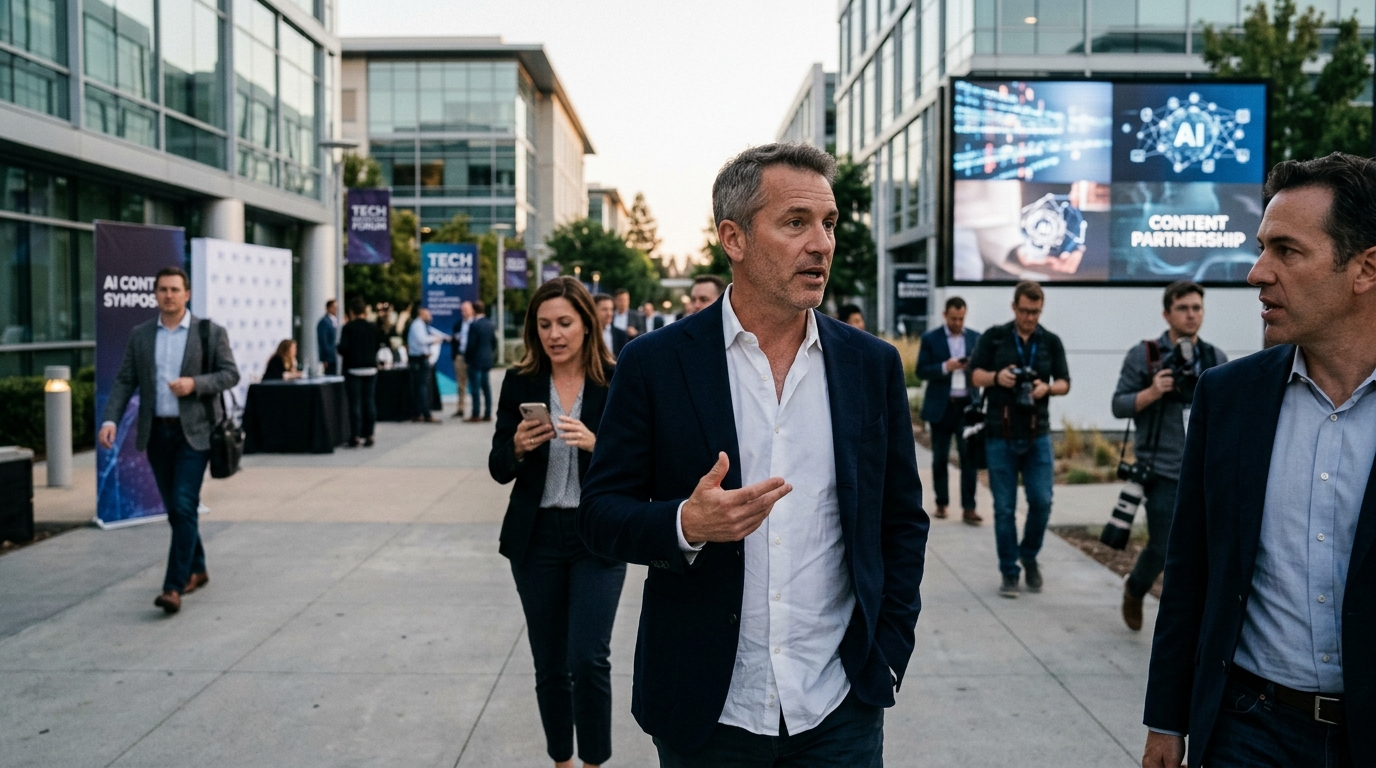
In an era where the internet is increasingly flooded with low-quality, mass-produced AI content, Amazon is attempting to fundamentally reshape the landscape of digital creation. With the launch of the "Amazon Content Partners" program, the Seattle-based tech giant is not merely seeking to add more videos and articles to its platform; it is aiming to build a bastion of authenticity in a world threatened by the "Dead Internet Theory."
This program represents a strategic counter-offensive to the dominance of TikTok and YouTube, offering independent creators something their competitors often overlook: a direct integration into the world's largest e-commerce ecosystem. However, this move carries deeper implications for how artificial intelligence will be utilized for curation, production, and ultimately, the training of Amazon's future AI models.
The Convergence of AI and Human Creativity
The core philosophy of Amazon Content Partners is built on providing creators with sophisticated AI tools that do not replace the creative process but rather amplify it. By offering access to specialized models via AWS Bedrock, Amazon allows creators to automate the tedious tasks of editing, translation, and metadata optimization. In doing so, the company hopes to attract professionals who wish to scale their output without sacrificing their artistic integrity.
Yet, a major question remains: How will Amazon distinguish "quality" content? The answer lies in a new algorithmic evaluation system that combines sentiment analysis with sales conversion rates. For Amazon, a creator is no longer just an artist but a vital link in the supply chain—an influencer who transmutes attention into consumption.
The Economic Model and the Data Trap
The financial incentive for participants is substantial. Through a revised revenue-sharing model, creators will receive commissions not only from advertisements but also from product sales generated through their links. This creates a "closed-loop" ecosystem where content serves as the ultimate marketing tool. Amazon Content Partners also promises copyright protection against unauthorized use by third-party AI models, positioning itself as a guardian of creator rights.
Nevertheless, there is a fine print in these agreements. Many analysts point out that by joining the program, creators grant Amazon the right to use their content to train its own Large Language Models (LLMs). At a time when high-quality data for AI training is becoming scarce, Amazon is securing a constant stream of fresh, human-generated content to fuel its technology, ensuring its AI remains more "human-like" than its rivals.
Social and Cultural Implications
Beyond numbers and algorithms, this initiative reflects a profound shift in our societal relationship with technology. If Amazon succeeds in establishing a standard where AI is the assistant and the human is the conductor, we might witness a renaissance of independent production. However, if the system ends up rewarding only content that leads to sales, we risk turning culture into a vast, interactive product catalog.
- Integration of Amazon Content Partners into Prime Video and Twitch ecosystems.
- The use of AI for real-time personalization of the user experience.
- Transparency challenges regarding AI-generated vs. human-made content.
- The reaction of traditional media outlets to Amazon's expanding footprint.
In conclusion, Amazon's move is a declaration of power. It is not just about commerce; it is about controlling the narrative in the digital age. As AI continues to evolve, the role of the independent creator will become even more critical—not as a producer of volume, but as a vessel for meaning and trust.