Alibaba, the titan once hailed as the 'Amazon of the East,' is at a definitive crossroads. Following a period marked by intense regulatory scrutiny from Beijing and the rise of aggressive competitors like PDD Holdings (Pinduoduo/Temu) and ByteDance (TikTok), the company has decided to play its most powerful card: Artificial Intelligence. Recent moves by Alibaba indicate that this is not merely a feature addition, but a fundamental restructuring of its business model with AI at the core.
Revolutionizing E-commerce: From Search to Experience
At the heart of Alibaba’s new strategy lies the integration of Generative AI into its flagship platforms, Taobao and Tmall. Wall Street and Hong Kong analysts are observing with approval the rollout of 'Quanzhantui,' an AI-driven marketing tool that helps merchants optimize their advertising spend in real-time. This tool doesn't just increase sales efficiency; it significantly boosts Alibaba’s customer management service revenue.
For the consumer, the experience is shifting dramatically. Alibaba has launched digital assistants that don't just answer queries but understand the context of user needs. Imagine a shopping assistant that can curate an entire outfit based on a single photo or suggest products based on current social media trends. This 'intelligent' approach is the company's answer to the stagnation of traditional recommendation algorithms.
The Video Bet and Cloud Dominance
Beyond commerce, Alibaba is investing heavily in AI-powered video production. With the rise of social commerce, where live streaming and short-form product videos drive sales, Alibaba now offers tools that allow merchants to create professional-grade video clips at a fraction of the cost. This technology, powered by the Qwen (Tongyi Qianwen) models, enables text-to-video conversion, making it easier for small and medium-sized merchants to compete with industry giants.
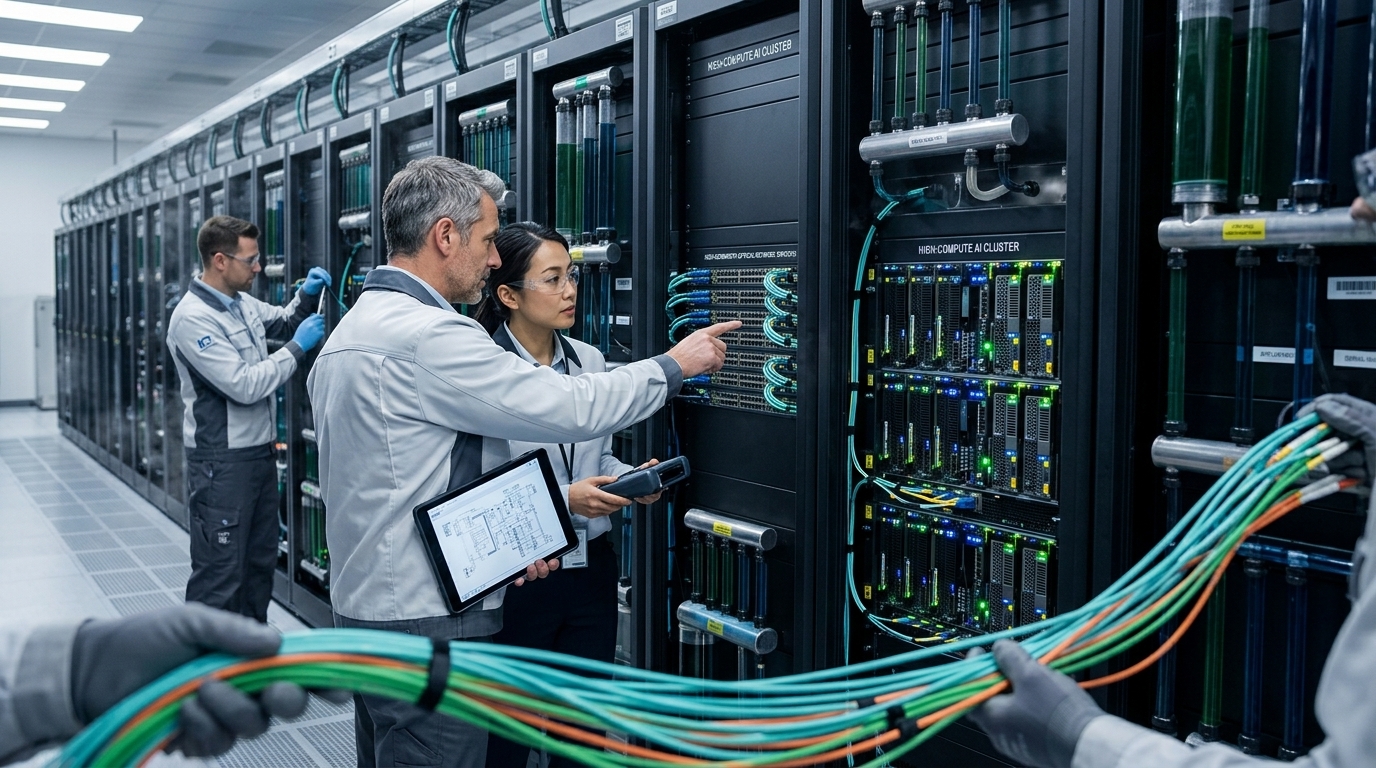
The Cloud Intelligence Group remains the 'brain' of this operation. Despite the cancellation of the Cloud unit’s IPO last year, Alibaba has ramped up capital expenditure to ensure it has the computational power required to train the next generation of Large Language Models (LLMs). Its open-source strategy with the Qwen model has already gained significant traction within the developer community, positioning Alibaba as a leading provider of AI infrastructure globally.
Geopolitical Challenges and Domestic Rivalry
However, the path forward is fraught with obstacles. US export restrictions on advanced AI chips (such as those from Nvidia) are forcing Alibaba to become more resourceful and self-reliant. The company is investing in its own processor designs and software optimization to bypass supply chain gaps. Furthermore, domestic competition from Tencent and Baidu remains fierce, with each firm vying for a slice of China’s massive digital economy pie.
Analysts note that Alibaba is returning to its roots as a tech innovator, moving past the introspection of previous years. The focus on AI is no longer an experimental endeavor but the central pillar for survival and growth in the 21st century. The market seems to be rewarding this clarity, as the company’s stock shows signs of stabilization after a prolonged period of uncertainty.
Conclusion
Alibaba is transforming from a logistics and retail giant into an 'AI-first' enterprise. By investing in sectors that combine immediate profitability (e-commerce) with future dominance (video generation and cloud), the company is attempting to prove that the Chinese tech dragon can still surprise the West. The question remains: will AI be enough to weather the geopolitical storms?