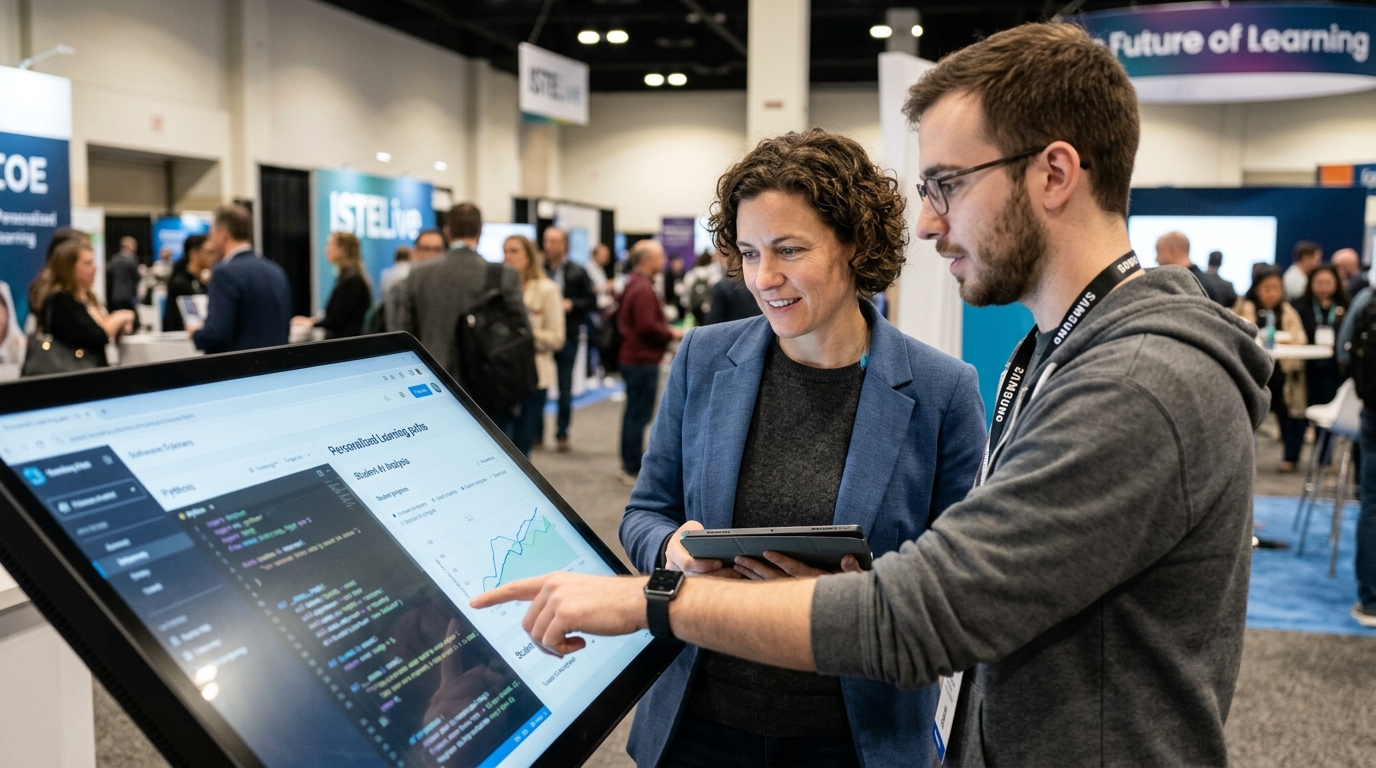
In the heart of Denver, at the epicenter of global educational technology for 2026, Samsung Electronics has set new benchmarks for the future of learning. At the ISTELive 2026 conference, the South Korean tech giant moved beyond mere hardware displays to present a vision where Artificial Intelligence (AI) serves as the connective tissue between student, educator, and knowledge. This year's showcase marks a critical turning point: AI is transitioning from an experimental tool into the very infrastructure upon which modern education is built.
The Convergence of Hardware and Intelligence
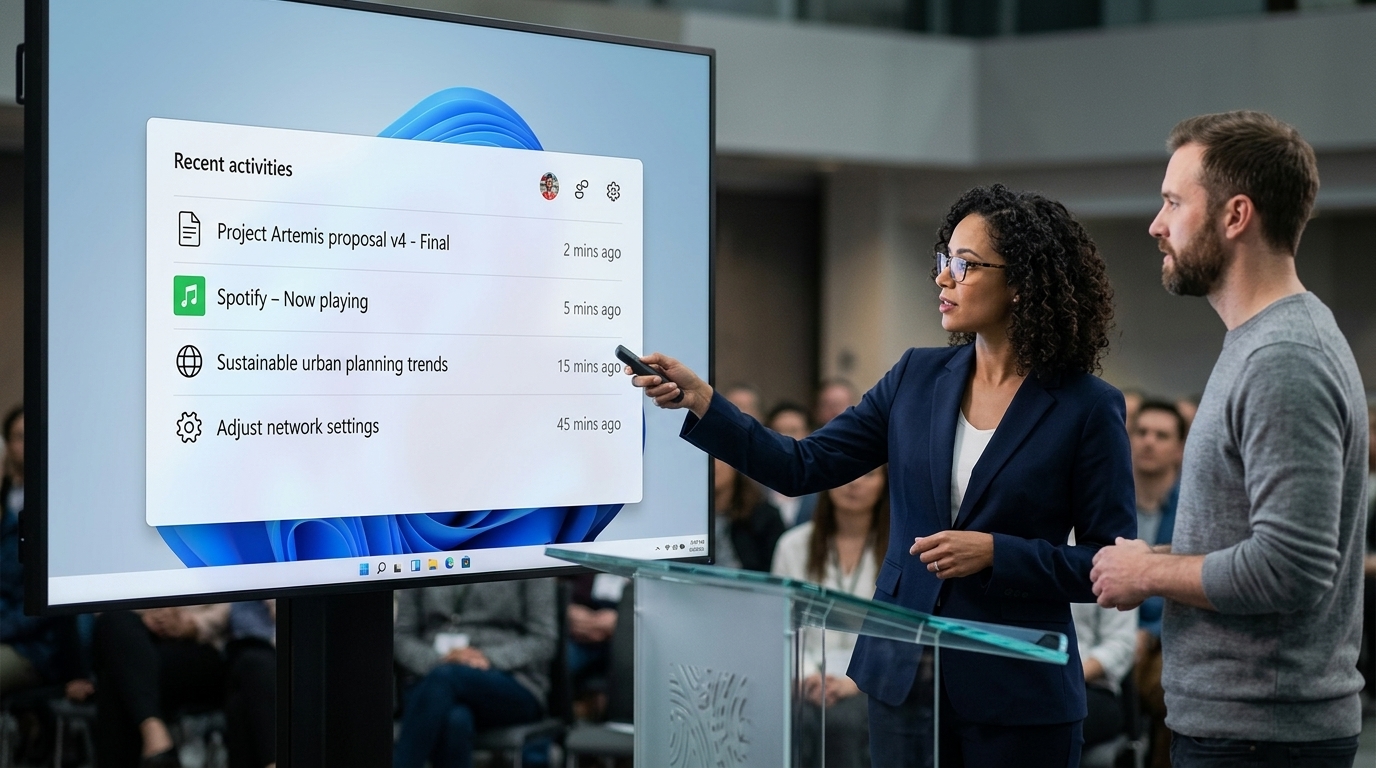
Central to Samsung’s strategy is the integration of Galaxy AI across its entire educational portfolio. From the WAD Interactive Displays to the new Galaxy Tab S10 series, the company is promoting a seamless user experience. These new displays, certified under the Google Enterprise Devices Licensing Agreement (EDLA), allow educators to access all Google Play applications directly from the classroom board, while integrated AI analyzes student engagement in real-time.
Particularly impressive was the 'AI Orchestrator' feature, which enables teachers to distribute different content to each student based on their level of understanding. For instance, while a class studies ancient history, the system can provide visual aids to a student with learning difficulties and more complex primary sources to an advanced student, all managed through the same central platform.
Inclusive Personalization
Samsung placed heavy emphasis on accessibility. Through 'Live Translate' and 'AI Transcript' features, students who are non-native speakers or who have hearing impairments can follow lessons with real-time captions on their personal devices. This technology breaks down language barriers in the multicultural classrooms of modern metropolises, ensuring that no child is left behind due to communication hurdles.
Furthermore, the 'Samsung Classroom Management' software has been upgraded with predictive models. AI can now identify early signs of fatigue or lack of focus in students, suggesting to the teacher a short break or a change in instructional method. This approach shifts the focus from simple information delivery to the holistic care of the learning process.
Data Security and the Knox Advantage
In an era where the privacy of minors is under intense regulatory scrutiny, Samsung is doubling down on its Knox security platform. All AI features presented at ISTELive 2026 follow the principle of 'On-Device AI' processing wherever possible, reducing the need to send sensitive data to the cloud. The company pledged that student data is not used to train third-party models, a statement aimed at reassuring parents and educational authorities.
"Technology should not replace the teacher, but rather give them the superpowers needed to meet the unique needs of every child," a Samsung executive stated during the keynote.
The remaining challenge is digital equity. While Samsung's solutions are impressive, the cost of adopting such ecosystems remains high for public schools in less privileged areas. Samsung announced subsidy programs and partnerships with governments to bridge this gap, recognizing that AI in education only fulfills its promise when it is accessible to all.
The Future of the Classroom
Concluding its presentation, Samsung offered a glimpse into the future with the 'Galaxy Ring for Education,' a wearable prototype that measures student stress levels and sleep quality (anonymized), helping schools adjust exam schedules and workloads based on student well-being. While controversial, this concept illustrates the industry's direction: a fully digitized, biometrically informed, and artificially intelligent educational experience. ISTELive 2026 proved that Samsung is no longer just a screen provider, but an architect of the new cognitive era.