In a move that redefines the boundaries between hardware and software, Microsoft has unveiled its latest lineup of Surface Pro and Surface Laptop devices. The announcement, held at the company’s Redmond headquarters, is far more than a routine product refresh; it is a strategic power play against competitors like Apple and Google. By integrating the latest Qualcomm processors and a Neural Processing Unit (NPU) that shatters previous performance benchmarks, Microsoft is promising a user experience where Artificial Intelligence is no longer a secondary feature, but the very core of computing.
The Architecture of Tomorrow: Qualcomm and ARM
The heart of the new Surface devices beats to the rhythm of ARM. Microsoft’s partnership with Qualcomm Inc. has reached a new level of maturity, with the latest Snapdragon X Elite (Gen 3) chips offering performance that directly rivals Apple’s M-series silicon. This choice is deliberate. The ARM architecture allows the new Surface Laptop to achieve a battery life of up to 22 hours while maintaining cool temperatures without the need for noisy fans in most scenarios.
The new devices also feature significantly upgraded graphics subsystems. Microsoft is now openly courting creative professionals—video editors, graphic designers, and architects—who have traditionally gravitated toward the macOS ecosystem. With the ability to process 8K video in real-time and support for multiple high-resolution external displays, the Surface Pro transforms from a productivity tablet into a full-scale workstation.
The Copilot+ Ecosystem and Local Processing
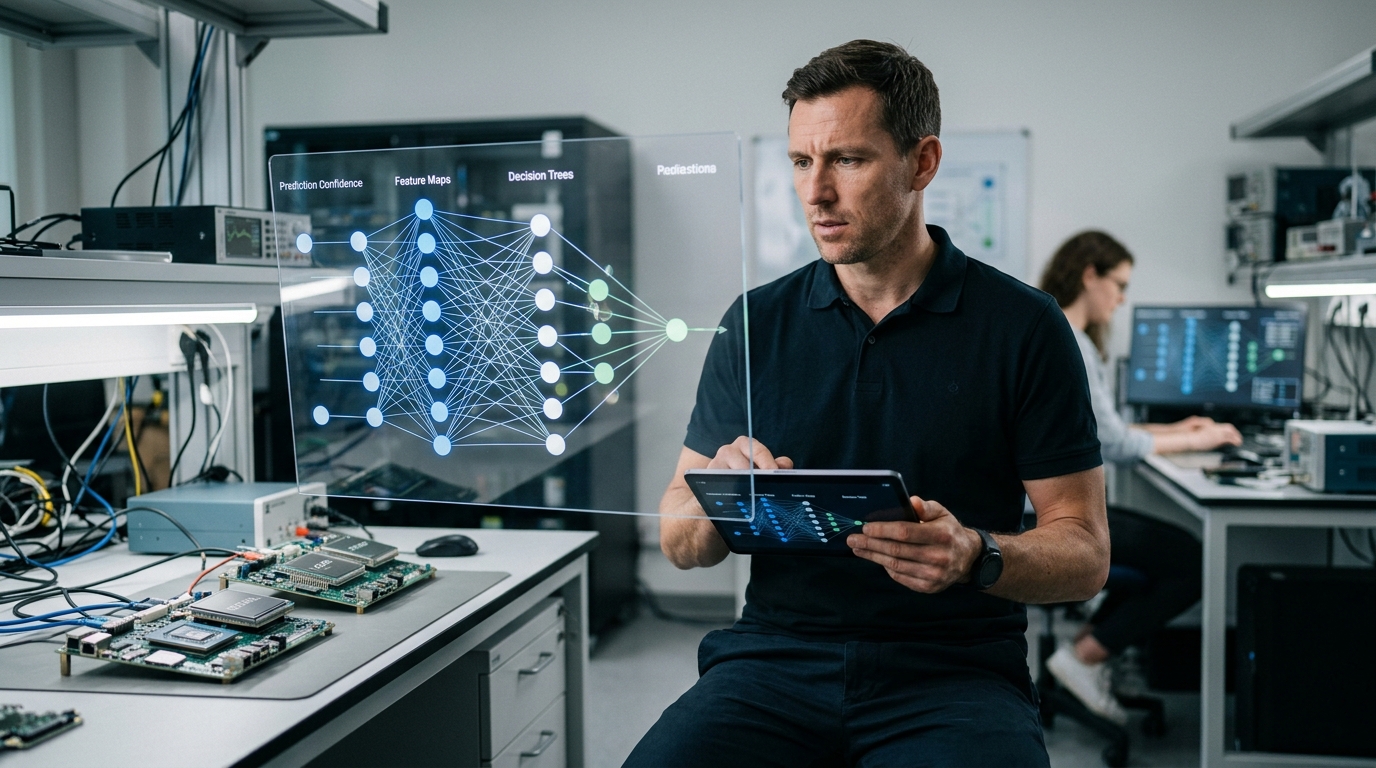
The most significant advantage of the new Surface line is its ability to run AI models locally (on-device). While using tools like Copilot previously required a constant cloud connection, the new NPU allows for the execution of billions of parameters directly on the machine. This translates to zero latency and, crucially, enhanced privacy, as sensitive user data never needs to leave the local drive.
- Live Cocreator: A new tool that allows artists to sketch and watch as AI transforms their drawings into photorealistic images in milliseconds.
- Advanced Recall: The controversial yet improved feature that lets users "time travel" to find anything they have seen or done on their PC, now with full encryption and local storage.
- Real-time Translation: Instant translation and subtitling of any audio or video content into over 40 languages, handled directly by the OS.
A Strategic Response to Apple
For years, the MacBook Air and MacBook Pro have been considered the gold standards for portability and power. Microsoft, with the new Surface series, is attempting to break this monopoly. The inclusion of OLED displays with 120Hz refresh rates and improved build quality using recycled aluminum shows that the company is no longer compromising on aesthetics. However, the real battle will be fought on the software front. Microsoft has worked extensively to ensure that Windows applications run flawlessly on ARM architecture through its new "Prism" emulator, which promises speeds twice as fast as the previous generation.
"We aren't just building computers. We are designing the future of human creativity, where the hardware disappears and only the creator's intent remains," a Microsoft executive stated during the keynote.
In conclusion, the 2026 Surface Pro and Surface Laptop represent the pinnacle of Microsoft's push to lead the AI PC era. While their pricing remains premium, the promise of a computer that "thinks" alongside the user is closer to reality than ever. Their success will depend on whether users are ready to trust AI in their daily workflows and whether the battery life claims hold up under the rigors of real-world use.