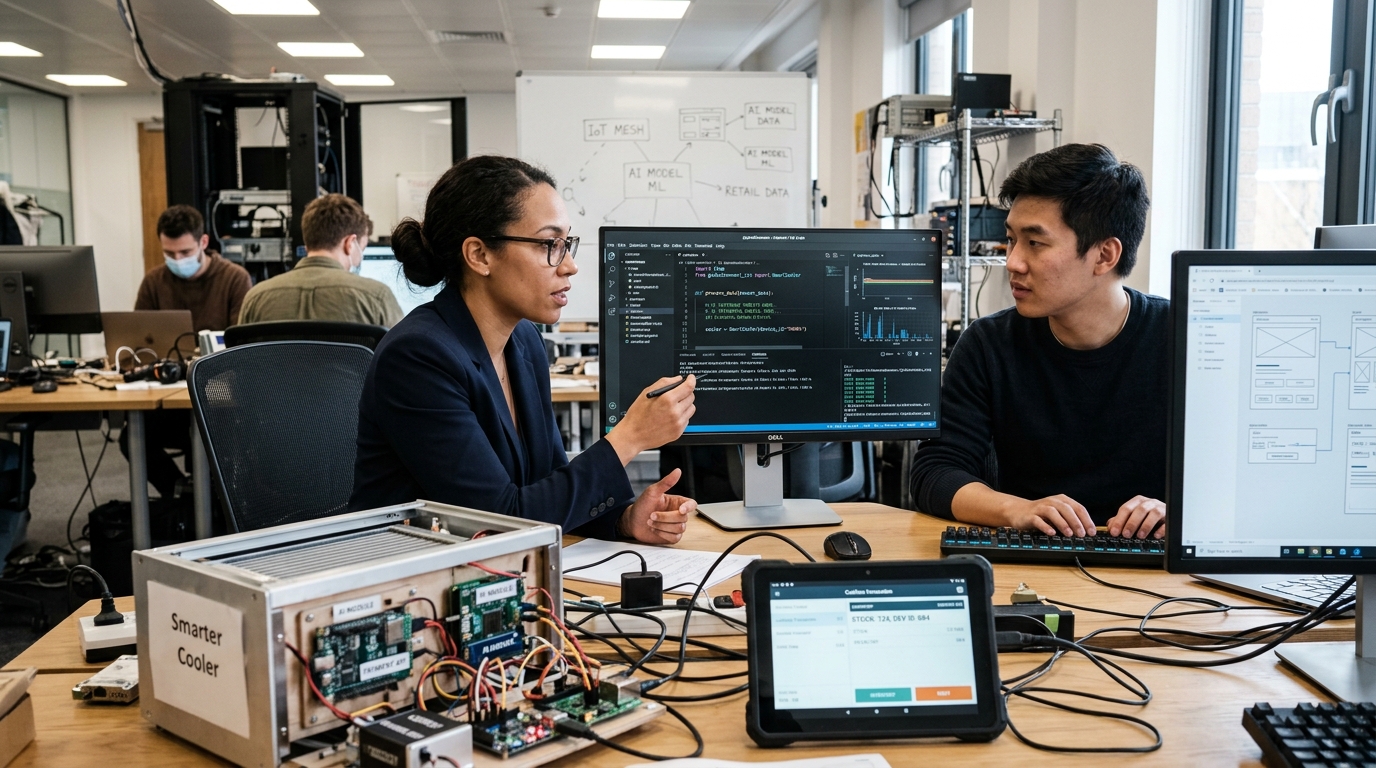
In a world accelerating through digital transformation, the traditional concept of the vending machine is giving way to intelligent systems that function more like miniature, autonomous stores than simple beverage dispensers. GlobalConnect’s recent announcement regarding the launch of the "Smarter Cooler" marks a pivotal moment in the unattended retail market. This is not merely a refrigerator with contactless payment capabilities; it is an ecosystem integrating advanced sensors, artificial intelligence, and cloud connectivity to provide a "grab-and-go" experience previously reserved for experimental stores by tech giants.
The Technological Architecture of Autonomous Cooling
The GlobalConnect Smarter Cooler moves away from the archaic logic of coils and mechanical arms. Instead, it employs a suite of cutting-edge technologies that allow consumers to unlock the device via credit card or digital wallet, select their desired items, and simply close the door. Billing is automatic, based on what was removed from the shelves. This is achieved through a combination of high-precision weight sensors and, in specific configurations, computer vision for visual recognition.
The heart of the system beats in the cloud. Each Smarter Cooler is permanently connected, allowing operators to monitor inventory in real-time. This means restocking occurs only when necessary, drastically reducing operational costs and the carbon footprint of logistics. Furthermore, AI analyzes sales data to suggest optimizations in product mix based on location and time of day, transforming a simple cooling unit into a sophisticated business intelligence tool.
The Convenience Economy and the New Retail Reality
Why now? The rise of solutions like the Smarter Cooler is driven by a perfect storm of factors. Labor shortages in low-wage retail positions, the demand for 24/7 availability without overhead, and consumer expectations for speed have made autonomous retail a necessity. Organizations—ranging from hospitals and universities to corporate complexes and fitness centers—are seeking ways to offer quality food and beverage options without the commitment of on-site staff.
"Technology is not just replacing the transaction; it is elevating the consumer's relationship with products in spaces where a physical staff presence was once economically unviable," note industry analysts.
Moreover, transaction security has reached levels that mitigate fraud concerns. With encrypted payment data and biometric authentication via smartphones, the Smarter Cooler offers a shopping environment that is both secure and exceptionally fast. The absence of cash also eliminates the risks of theft or vandalism that have historically plagued traditional vending units.
Challenges: Privacy and the Digital Divide
Despite the obvious benefits, the proliferation of such systems raises significant questions. The first concerns privacy. As these coolers collect data on purchasing habits, who has access to this information, and how is it protected? GlobalConnect asserts that compliance with GDPR and other regulations is a priority, yet the constant surveillance of consumer behavior remains a sensitive issue.
The second issue is the digital divide. In a society moving toward the total elimination of cash, what happens to individuals who lack access to banking services or digital tools? Cashless retail risks excluding a segment of the population, although tech proponents argue that the convenience and price reductions stemming from lower operational costs will eventually benefit everyone. The Smarter Cooler represents the first step toward a new era where the "fridge" is no longer just an appliance, but a hub of data and commerce.