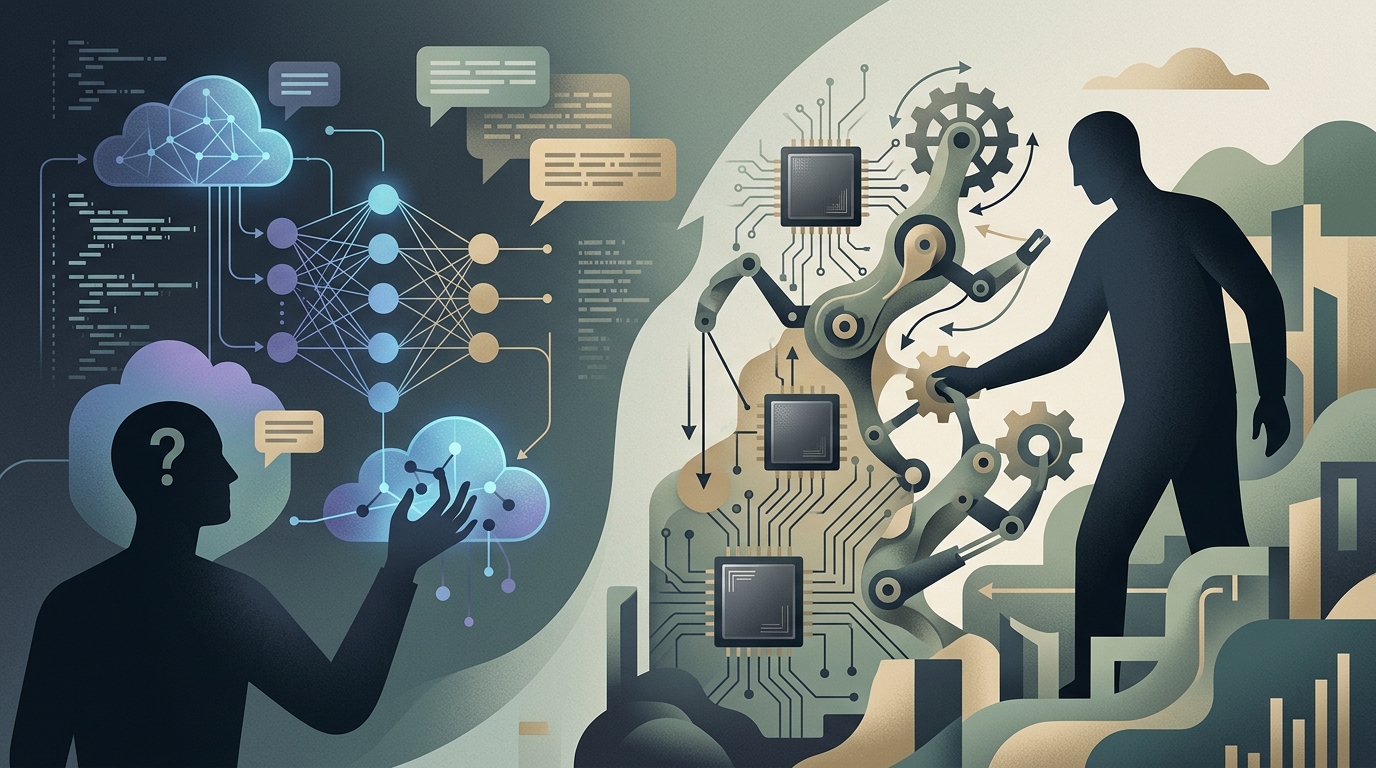
In the dawn of 2026, the digital economy is no longer merely fighting for the "click" or the impression. The battle has shifted to a deeper level: decoding human intent through the analysis of signals that were once considered noise. Artificial Intelligence (AI) has evolved from a data classification tool into a powerful decision-making engine, bridging the gap between passive attention and active action.
The Science of Attention in the Age of Transformers
For decades, traditional advertising and media analysis relied on "vanity metrics"—numbers like page views or dwell time that often failed to translate into meaningful outcomes. Today, AI models, equipped with sophisticated Attention Mechanisms and multimodal analysis, are capable of analyzing micro-signals. These include scrolling speed, eye movements via biometric data, and the emotional resonance of real-time comments.
These signals are no longer just statistics. They are the raw material for what researchers call "Predictive Intent." By analyzing how a user interacts with content, AI can predict with over 90% accuracy whether that attention will lead to a purchase, a sign-up, or a change in opinion. This transformation of signals into decisions is fundamentally changing how businesses and organizations allocate their resources.
From Prediction to Prescription: The Rise of Prescriptive AI
The real revolution, however, lies in the transition from descriptive to "prescriptive" AI. It is no longer enough to know what happened or what will happen; AI systems now suggest—and in many cases execute—the ideal sequence of actions to maximize an outcome. In the media sector, this means dynamically adjusting content in fractions of a second to maintain user attention not just for entertainment, but to guide them toward a specific decision.
- Dynamic Personalization: Content is no longer static but is reshaped based on the psychological state of the recipient.
- Conversion Optimization: AI identifies the exact moment when attention is at its peak to present a call to action (CTA).
- Cognitive Load Reduction: By filtering out noise, AI helps users make decisions faster, though this raises questions about their autonomy.
Ethical Dilemmas and the Manipulation of Focus
As AI becomes more adept at turning attention into outcomes, the fine line between "facilitation" and "manipulation" becomes increasingly blurred. If a system can predict and direct my decision before I even realize it, who is the true decision-maker? Critics argue that the attention economy is turning into an economy of control, where human will is bypassed by algorithmic preferences.
"We are no longer selling products, but the very architecture of human choice," says a leading AI ethics researcher.
The challenge for the future is not just technical but institutional. We need frameworks to ensure that the conversion of signals into decisions remains in the service of humanity and does not become a tool for invisible coercion. Transparency in algorithms and the right to "unoptimized" attention may become the new human rights of the digital age.
Conclusion: The New Era of Measurable Outcomes
The shift from signals to decisions marks the coming of age of Artificial Intelligence. It is no longer a passive observer of the digital world but the active mediator of reality. For businesses, this means unprecedented efficiency. For users, it means a more personalized but also more monitored experience. Our ability to navigate this new landscape will determine whether AI will be our assistant in decision-making or the architect of our lives.