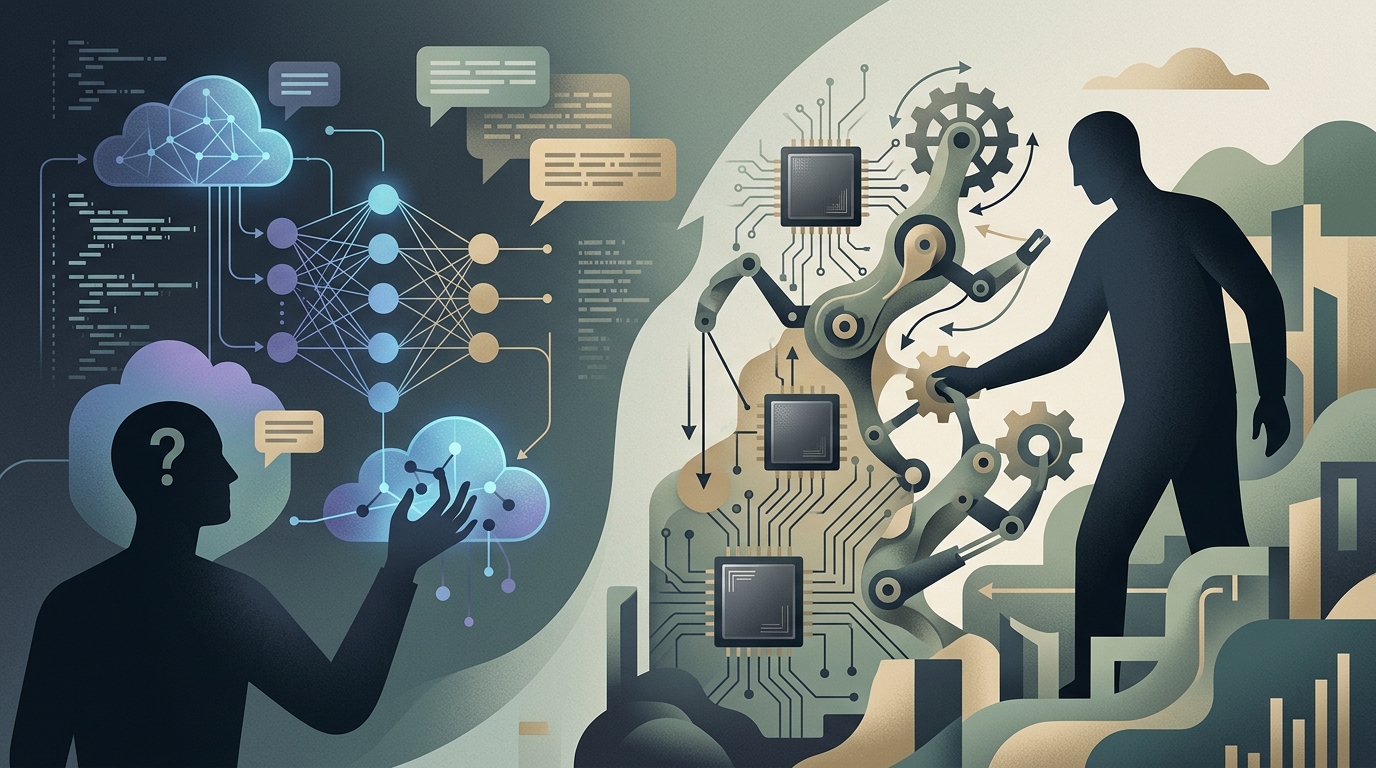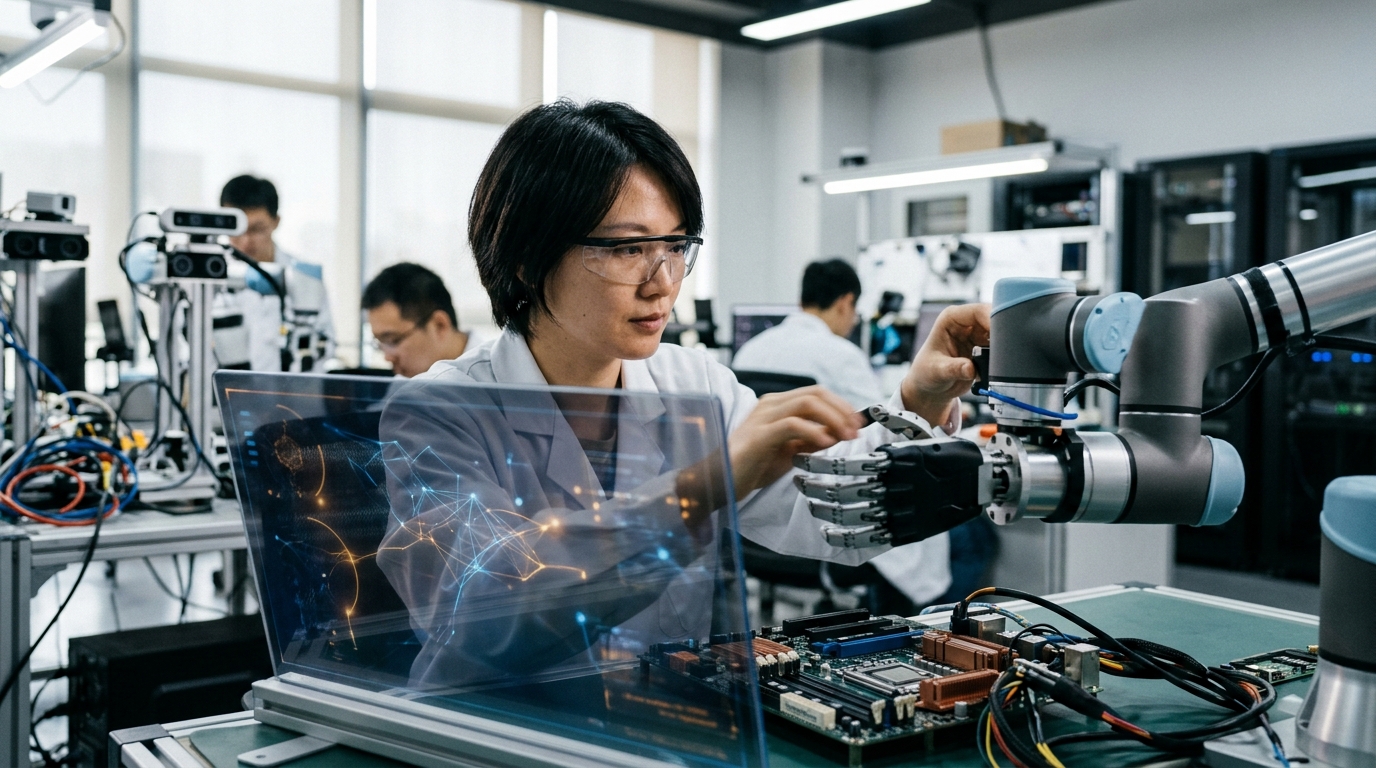
The transition of Artificial Intelligence from computer screens to the three-dimensional physical world represents the next great frontier of technology. Alibaba Cloud, the technology arm of the Chinese e-commerce giant, recently announced the release of its first comprehensive suite of AI models designed specifically for robots. This move marks a strategic shift toward 'Embodied AI,' where large language models (LLMs) are no longer limited to text processing but gain a 'body' and the ability to interact with their environment.
The Architecture of Embodied Intelligence
Alibaba's new models, based on the Qwen family, integrate Vision-Language-Action (VLA) capabilities. Unlike traditional robots that follow pre-programmed commands in controlled environments, these models allow machines to visually perceive their surroundings, understand complex natural language instructions, and make real-time decisions. For instance, a robot equipped with this technology can identify a spilled glass of water, assess the risk, and find the appropriate tool to clean it, without being explicitly programmed for that specific sequence of movements.
Alibaba Cloud claims that its suite can dramatically reduce development time for robotics manufacturers. Instead of building specialized algorithms for every motion, developers can now use Alibaba's pre-trained model as a 'brain,' allowing the robot to learn through observation and simulation. This is achieved through the use of digital twins, where the robot is trained in virtual environments before being deployed in the real world, minimizing the risk of accidents.
Geopolitical Competition and Technological Sovereignty
Alibaba's move does not occur in a vacuum. It happens during a period of intense global competition, with companies like OpenAI, Google, and Figure AI investing billions in integrating GPT-4 and similar models into humanoid robots. For China, developing domestic technology in the field of robotics is a matter of national security and economic survival, given its aging population and the need to automate its massive manufacturing base.
"We are not just building robots; we are building the operating system for the physical world," an Alibaba executive stated during the presentation.
Alibaba's strategy focuses on open access and collaboration. By offering these models through its cloud ecosystem, the company aims to become the central hub for thousands of small and medium-sized robotics enterprises in China and globally. This 'AI-as-a-Service' (AIaaS) approach could accelerate the adoption of robotics in sectors such as supply chain, elderly care, and domestic support.
Challenges and Ethical Dilemmas
Despite the excitement, the transition of AI into the physical world raises serious questions. Safety is the primary concern. An error in a chatbot might lead to misinformation, but an error in a 100-kilogram robot can cause physical harm. Alibaba claims to have integrated multiple safety layers, but the complexity of the real world is unpredictable.
Furthermore, there is the issue of privacy. Robots equipped with these models will collect vast amounts of visual and auditory data from the spaces they operate in. How will it be ensured that this data is not used for illicit surveillance? Within the context of China's strict data regulations, Alibaba will have to balance innovation with compliance with state mandates, which might hinder the acceptance of these technologies in Western markets.
The Future of Work
Finally, the social impact of embodied AI is inevitable. If robots gain the ability to perform complex manual tasks with the same ease that an LLM writes an email, the labor market will experience tremors. Alibaba argues that the goal is 'collaborative robotics' (cobotics), where machines assist humans rather than replace them. However, the history of automation shows that the pressure to reduce costs often leads to extensive labor replacement. The challenge for society will be retraining workers in a world where physical labor is no longer the exclusive privilege of biological beings.