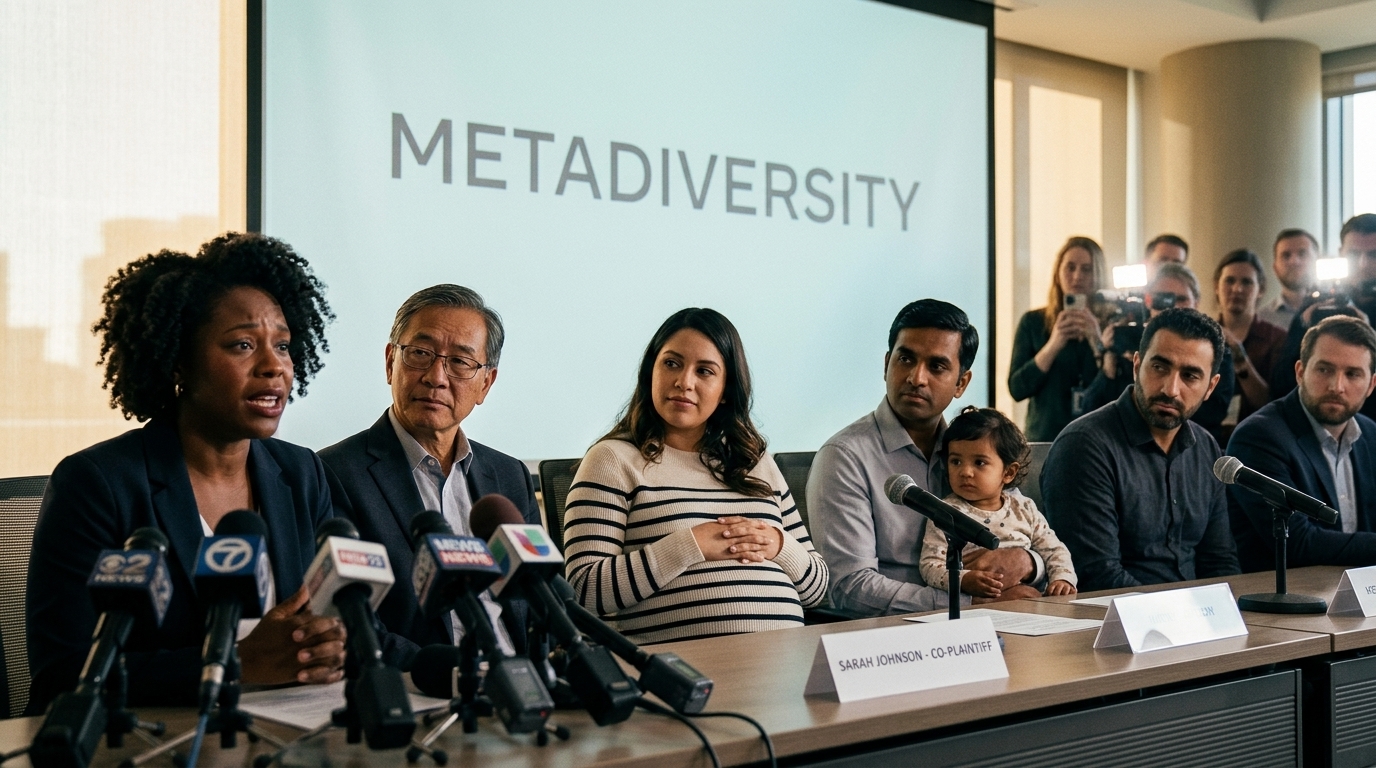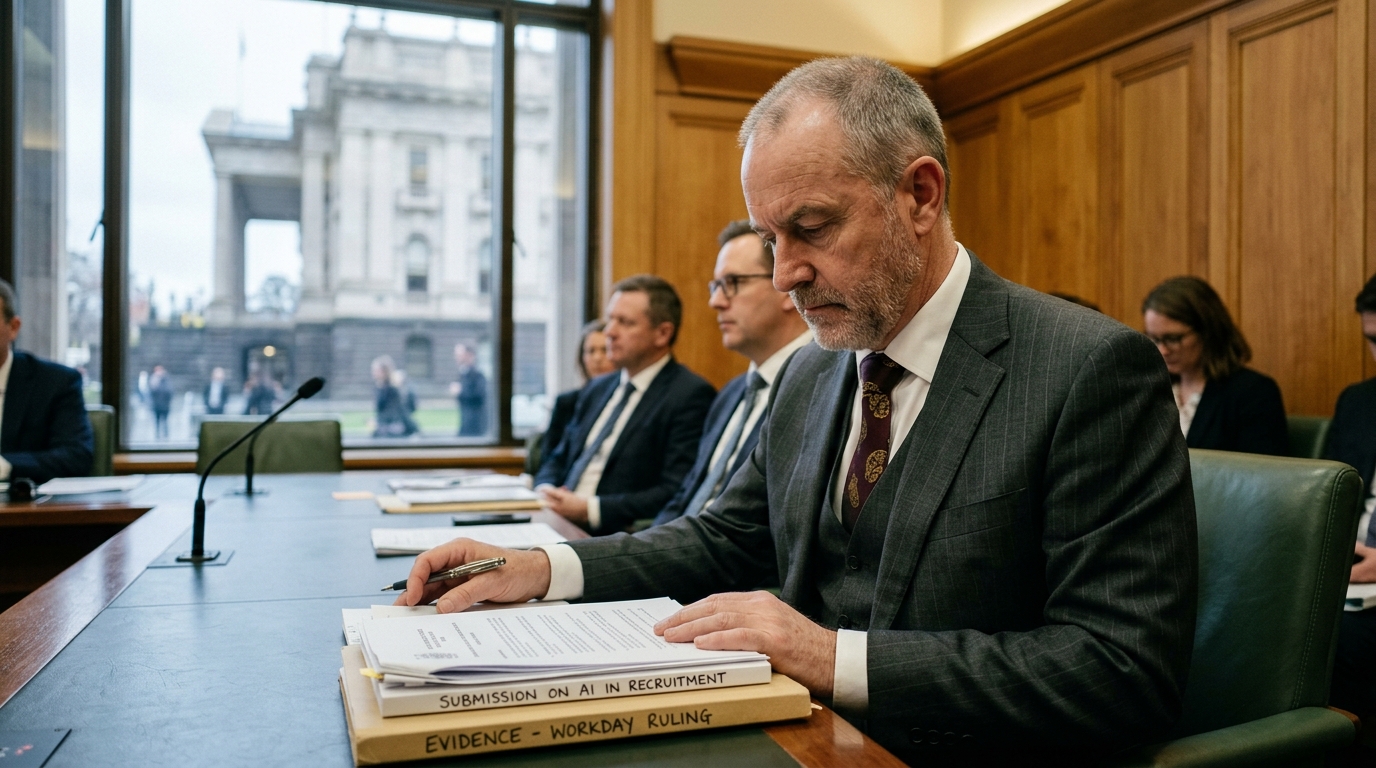
The era of impunity for the "algorithmic gatekeepers" of the labor market appears to be drawing to a close. In a decision expected to send shockwaves through Silicon Valley, U.S. District Judge Rita Lin in San Francisco ruled that Workday Inc., one of the world's largest providers of human capital management software, must face legal claims of systemic discrimination facilitated by its AI-driven tools.
The case, known as Mobley v. Workday, centers on Derek Mobley, a Black man over the age of 40 who suffers from anxiety and depression. Mobley alleges that he was rejected from more than 100 job positions for which he was qualified because Workday’s software utilized discriminatory algorithms based on race, age, and disability. The significance of this ruling lies not just in the allegations, but in the fact that the court recognized Workday as a potential "indirect employer" or "employment agency," dismantling the defense that the company is merely a neutral technology provider.
The Algorithmic Black Box and Legal Liability
For years, technology companies have hidden behind the complexity of their code. When a candidate was rejected by an automated system, the liability was typically shifted to the employer using the tool, while the software creator remained untouched. Judge Lin, however, took a different stance. In her ruling, she emphasized that if a company like Workday performs traditional hiring functions—such as screening, ranking, and rejecting candidates—it must be subject to the same anti-discrimination laws that govern human recruiters.
The legal argument is rooted in Title VII of the Civil Rights Act and the Americans with Disabilities Act (ADA). This decision serves as a stark warning to the entire SaaS (Software as a Service) industry. If your software makes decisions that impact human lives, you can no longer claim to be a mere "conduit" of information. Workday, for its part, denies the allegations, maintaining that its customers retain final control over hiring criteria. However, the judicial inquiry will now delve deep into how these algorithms are trained and whether the training data carries the biases of the past.
From Technology to Social Justice
The use of AI in hiring promises efficiency and speed, but it often functions as a "bias multiplier." Algorithms learn from historical data. If a company has historically hired mostly white men from specific universities, the AI will perceive these traits as "success signals," automatically filtering out candidates who do not fit the mold. This creates a vicious cycle that excludes talented individuals based on identity rather than merit.
- Systemic Exclusion: Mobley’s case illustrates how automation can lock entire social groups out of the job market without ever providing an explanation.
- Transparency as a Mandate: The ruling reinforces the need for "algorithmic accountability," where companies must prove that their tools are equitable.
- A Precedent for the EU: While this is a U.S. decision, it is expected to influence discussions in Europe regarding the implementation of the AI Act, particularly in high-risk sectors like employment.
Implications for the Future of Work
This legal development signals a shift toward stricter AI regulation. Companies can no longer purchase "black box" software and hope to remain shielded from the consequences of its output. Workday will now be forced to disclose aspects of its algorithmic operations during the discovery process, something tech firms traditionally avoid by citing "trade secrets."
In the future, we expect to see the rise of independent AI audits. Just as corporations undergo financial audits, they will likely need to undergo audits for the ethics and fairness of their algorithms. The Mobley v. Workday case is only the beginning of a long battle for digital rights in the workplace. Technology must serve humanity, not replicate its systemic flaws under the guise of mathematical objectivity.
"Artificial intelligence is not a higher power; it is a tool built by humans and must be held accountable to human laws," state legal experts following the case.